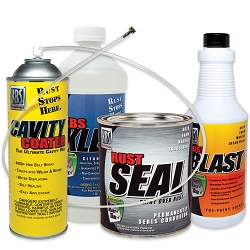


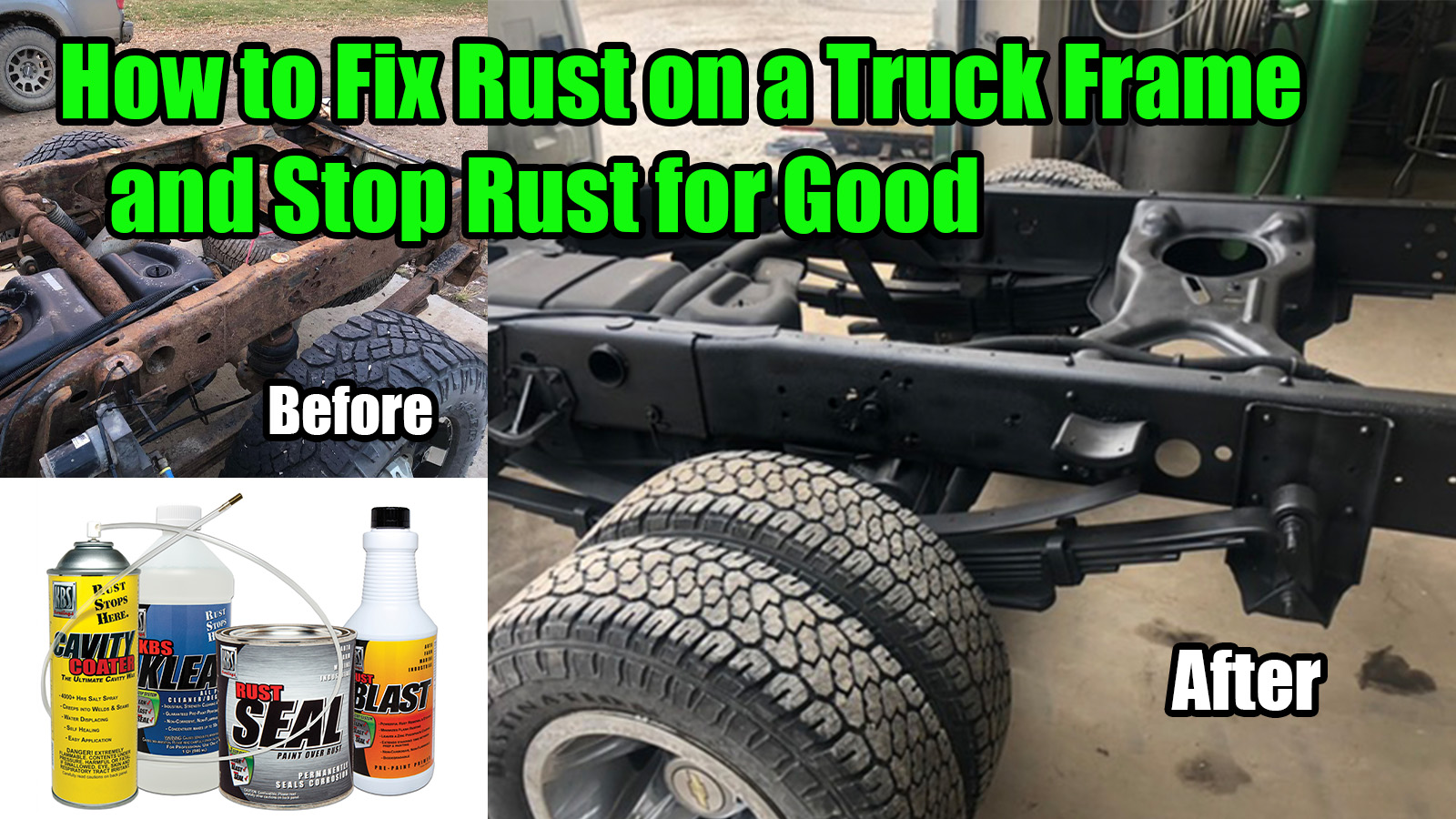
Fixing rust on a truck frame comes down to three steps: strip loose rust and old coating, treat what is left with a rust neutralizer, then seal the metal with a coating built to stop rust for good. Skipping any one of the three is the most common reason a frame rust repair fails within a year or two. This guide walks through the full process using KBS Klean, RustBlast, RustSeal, BlackTop, and Cavity Coater. The KBS Ultimate Frame Coater Kit bundles every one of them except BlackTop, which you add for a frame that sits in the sun.
What You Need
Get the complete kit, or buy each product on its own. Orders placed by 3 PM Central ship the same day.
Why Truck Frames Rust
Truck frames rust because road debris chips away factory coatings and exposes bare metal to moisture and oxygen, and road salt speeds up that corrosion faster than almost anything else a frame is exposed to. Once the coating is compromised, rust spreads fastest in boxed sections, crossmembers, and weld seams, where trapped mud and moisture keep the metal wet long after the rest of the truck has dried out and often creates hidden corrosion that develops from the inside out.
Why Truck Frame Rust Repairs Can Fail
Most frame rust repairs fail for one of three reasons: rust that was never actually reached, a coating that could not bond to the surface, or a product that was not built to handle undercar conditions in the first place. Each is preventable with the right prep and the right coating.
- Accessing the Rust. Getting to rust inside boxed truck frame rails can be difficult. What is seen can be removed, but what is hidden gets missed, and rust comes back from the inside out.
- Incomplete Rust Removal. Microscopic corrosion can be left behind even after grinding. A chemical treatment such as KBS RustBlast neutralizes the rust and stops it from growing under the new coating.
- Inadequate Surface Prep. Dirt, grease and grime must be completely removed from surfaces for coatings to bond. This is a primary failure point of frame rust repairs. KBS Klean removes contaminants without leaving a residue that hurts adhesion.
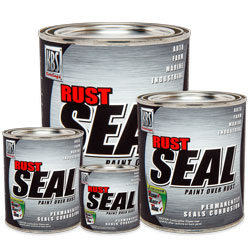
- Not Choosing the Right Coating. Coatings used for frame restoration must seal metal from moisture, oxygen and salt while withstanding impacts and undercar conditions. Standard paints often cannot provide this. KBS RustSeal seals metal and provides a hard, flexible coating that withstands impacts and abrasion.
- Improper Environmental and Application Conditions. Applying coatings in high humidity or in temperatures that are too hot or too cold causes poor curing. Even a good product can fail if it is applied in the wrong conditions.
- Underestimating Time, Labor, and Physical Effort. Grinding, sanding, cleaning and recoating take longer than most people expect. Rushing the process to save time is one of the most common ways a repair falls short.
Full Supply List
A complete truck frame rust repair needs five products and a short list of hand tools: a degreaser, a rust neutralizer, a rust-sealing coating, a UV-stable top coat, and a cavity coating for hard-to-reach areas.
- KBS Klean: water-based cleaner and degreaser for removing oil and grime
- KBS RustBlast: rust remover and zinc phosphate surface prep
- KBS RustSeal: moisture-cured coating that stops and prevents rust
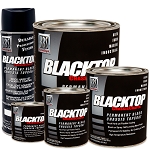
- BlackTop: UV-stable topcoat for durability and appearance
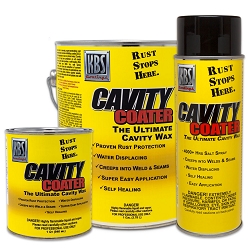
- Cavity Coater: self-healing protective film for hard-to-reach areas
- KBS #1 Thinner: for thinning RustSeal and BlackTop as needed
- Wire wheel, 320-grit sandpaper, or a sandblaster: for removing loose rust and smoothing surfaces
- Scotch-Brite pads: help break up stubborn contamination
- Sponge: for applying cleaners and rinsing surfaces
- Scrub brush: agitates heavy dirt and rust areas
- Paint brushes or spray equipment: for applying coatings evenly


Why Use RustSeal for Frame Restoration?
KBS RustSeal is a single-component, moisture-cured coating that bonds directly to bare or lightly rusted metal and stops rust permanently without a separate primer step. It resists impacts and abrasion, self-levels to hide brush marks, and is available in 11 colors.
KBS RustSeal reduces prep labor because light surface rust can remain and be coated over, sealing it off and stopping further corrosion. Even deep rust pitting, rust inside weld seams, and areas where it is difficult to thoroughly remove rust can be sealed and encapsulated with RustSeal to stop further progression.
Why Top Coat RustSeal with KBS BlackTop?
A top coat is recommended over RustSeal whenever the frame will see repeated or prolonged direct sunlight, since UV exposure can alter RustSeal's color and sheen over time even though its rust protection remains fully effective either way. BlackTop is a single-stage, moisture-cured, UV-stable coating that is the common choice for this step.
BlackTop self-levels for a smooth finish that hides brush marks and is specifically formulated to withstand dulling and fading caused by prolonged sunlight exposure. RustSeal can be top coated with any opaque paint system, but BlackTop is built to match RustSeal's cure characteristics and undercar durability.
Step-by-Step: How to Fix Rust on a Truck Frame
Fixing a rusted truck frame follows seven steps in order: strip loose material, degrease, inspect, neutralize remaining rust, seal with RustSeal, top coat if needed, and protect the inside of boxed sections with Cavity Coater.
Step 1: Remove Loose Rust, Paint and Coating
Use a wire wheel, 320-grit sandpaper, or sandblasting to remove all loose rust, paint, and failing coatings. RustSeal needs a solid foundation for the strongest, most durable adhesion, though light surface rust can remain when treated with RustBlast and coated with RustSeal.
RustSeal can be applied directly to newly sandblasted metal surfaces that have been handled with gloved hands, with no further preparation beyond blowing off loose dust. If some coating is still firmly adhered, scuff it with 320-grit sandpaper to give RustSeal a tooth to grip.
Step 2: Clean and Degrease Thoroughly
Once loose rust and paint are removed and any well-adhered coating is scuffed, clean the frame completely with KBS Klean. This degreaser removes dirt, grease, and grime without leaving a residue that hinders adhesion.
- Mix KBS Klean with hot water and scrub with a sponge or bristle brush
- Rinse and dry thoroughly
- Full directions: View full KBS Klean directions
Step 3: Inspect and Address Rust Issues
Inspect the frame after cleaning and rust removal, when the true condition of the metal is fully visible, to determine whether it is structurally sound or needs repair before coating.
- Check for structural rust: look for deep scaling, flaking, or metal loss that weakens the frame
- Identify rust-through areas: inspect for holes or soft spots that may require welding or replacement
- Tap test the metal: a dull sound from a hammer tap can indicate weak or thin areas
- Inspect weld seams and joints, where rust often hides and spreads
- Look inside frame rails for internal rust buildup where moisture gets trapped
- Check high-debris zones near wheel wells, crossmembers, and suspension mounts
- Assess whether rust is surface-level or has penetrated the metal
- Inspect mounting points to confirm body mounts, suspension mounts, and brackets are solid
- Look for previous repairs, patches, welds, or coatings that may be failing
- Check for oil, grease, and dirt contamination that must be removed before coating
- Evaluate overall integrity to decide if the frame is safe to restore or needs structural repair first
Step 4: Treat Metal and Neutralize Remaining Rust
Before applying RustSeal, treat the frame with KBS RustBlast to neutralize existing oxidation and leave a micro-etched surface profile that promotes superior adhesion for RustSeal.
- Spray RustBlast on and keep it wet for 30 minutes to 2 hours, depending on rust or corrosion severity
- Scrub intermittently with a Scotch-Brite pad
- Rinse and dry thoroughly
- A whitish zinc-phosphate residue will remain. This is beneficial and prevents flash rust, so do not remove it.
- Full directions: View full KBS RustBlast directions
Step 5: Apply RustSeal
RustSeal goes on after prep in two to three thin, overlapping coats, applied by brush, roller, or spray between 55 and 82 degrees F.
- Choose your application method: brushing, rolling, or spraying
- Optimal temperature: apply between 55 and 82 degrees F, avoiding rain or high humidity
- Mix thoroughly: stir from the bottom of the can to the top before use
- Thinning: when spraying, thinning is generally not required, but if needed, 5 to 10 percent is normally adequate
- Apply in thin overlapping coats: two to three thin, even coats beat a few thick ones
- Re-coating: once the previous coat is dry to the touch (2 to 6 hours), apply additional coats within 8 hours
- Coating over rust: RustSeal can be applied over light surface rust treated with RustBlast
- Cure time: the frame can be handled after 1 day, but full cure takes 7 days, so wait before reassembly or use
- Full directions: View full KBS RustSeal directions
Stuck or unsure? Search the KBS Support Desk for instant answers
Step 6: Apply a Top Coat
A top coat over RustSeal adds an extra layer of protection and is recommended for frames exposed to frequent or prolonged direct sunlight, with BlackTop as the common choice.
How to Prepare RustSeal for Top Coating
- Scuffing method: scuff RustSeal with 320-grit sandpaper to give the top coat something to grip
- Self-etching primer method: apply a dust coating of Fusion SEP self-etching primer
Applying BlackTop Chassis Coater
- Choose your application method: brushing or spray equipment
- Optimal temperature: apply between 55 and 82 degrees F, avoiding rain or high humidity
- Mix thoroughly: stir from the bottom of the can to the top before use
- Thinning: not generally required, but if needed, 5 to 10 percent is normally adequate using KBS #1 Thinner or Xylene only. In high humidity (70 percent or more), thinning BlackTop 5 to 10 percent slows cure time and improves self-leveling.
- Apply in thin overlapping coats: two to three thin, even coats beat a few thick ones
- Re-coating: apply the next coat once the previous one is dry to the touch and before 24 hours. Past 24 hours, scuff with 320-grit sandpaper or a Scotch-Brite pad first.
- Cure time: full cure for BlackTop takes approximately 48 hours depending on temperature and film thickness
- Full directions: View full BlackTop directions
Step 7: Apply Cavity Coater
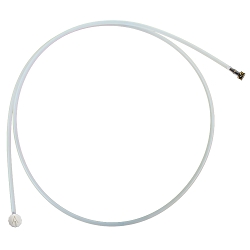
Cavity Coater, applied with the Cavity Wand, penetrates and coats the inside of frame rails and other hard-to-reach areas with a corrosion-inhibiting protective coating.
- Remove any readily accessible loose, scaly rust
- If grease or oil is present, clean the surface with KBS Klean as described in Step 2
- Attach the Cavity Wand to Cavity Coater
- Insert the wand into the frame cavity, depress the spray tip, and withdraw it from the cavity at about one foot per second
- Apply a thin, even coat of 1 mil thickness
- Full directions: View full Cavity Coater directions
Frequently Asked Questions About Truck Frame Rust Repair
How do I know if my truck frame is too rusty to repair?
If the frame has rust-through, soft spots, or significant metal loss, it may require welding or replacement before coating. Surface rust and moderate scaling can typically be repaired, but structural damage must be addressed first to ensure safety and durability.
What is the best way to fix rust on a truck frame?
The best way to fix rust on a truck frame is to remove loose corrosion, clean and degrease the surface, treat remaining rust with a neutralizer like KBS RustBlast, and seal the metal with a durable coating like KBS RustSeal to prevent future corrosion.
Do I need to remove all rust before applying RustSeal?
No. Loose rust and flaking material must be removed, but light surface rust can remain if properly treated with a rust neutralizer like KBS RustBlast. This helps stop corrosion and creates a surface suitable for coating adhesion.
How long does RustSeal take to cure before the truck can be used?
RustSeal can typically be handled after about 24 hours, but it requires a full 7 days to completely cure. Waiting for full cure before reassembly or use ensures maximum durability and long-term protection.
Is a top coat necessary after applying RustSeal?
A top coat is recommended if the frame is exposed to sunlight, as UV rays can affect the coating's appearance over time. BlackTop adds UV stability and enhances long-term durability, while RustSeal's rust protection remains fully effective without it.
Can you repair rust inside boxed frame rails?
Yes, rust inside boxed frame rails can be repaired, even though it is difficult to access. After removing loose rust and cleaning contaminants, KBS Cavity Coater can be applied using a spray wand to reach deep inside the frame. It penetrates and coats internal surfaces with a corrosion-inhibiting layer that helps stop rust and prevent further spread.
Still have questions? Search the KBS Support Desk for instant answers
Stop Rust at the Source for Long-Lasting Frame Protection
Fixing rust on a truck frame the right way means more than removing visible corrosion. It means cleaning, treating, and sealing the metal so rust does not come back. KBS Klean, RustBlast, RustSeal, BlackTop, and Cavity Coater work together to restore durability, protect against harsh road conditions, and extend the life of a truck frame.
Tagged Products