

Prepare metal for painting by cleaning it with KBS Klean, then removing and neutralizing rust with RustBlast; both steps clear away what stops paint from bonding. Skipping either one is the most common reason paint peels, bubbles or fails early on metal.
Updated September 2026 by the KBS Coatings technical team.
| Products | KBS Klean, RustBlast |
|---|---|
| RustBlast dwell time | 30 min minimum (light rust), 40 to 60 min (moderate), 1 to 2 hours (heavy), keeping the surface wet throughout |
| Working temperature | 55 to 90 degrees F |
| Coat within | 7 days of RustBlast treatment |
| Ideal paint temperature | 50 to 85 degrees F |
The Importance of Proper Surface Preparation
Properly preparing metal before painting is what makes a finish last instead of peeling, rusting or wearing unevenly. Metal surfaces carry grease, oil, rust and dirt that block paint from bonding, and even a thin layer of residue can cause premature failure. Getting prep right protects the metal from corrosion and wear whether the project is outdoor equipment, an automotive part or home decor.
Remove Loose, Flaky Rust
Remove any loose or flaking rust first, using 320 grit sandpaper, a wire brush, or sandblasting. This gives the surface a stable base so paint and coatings do not sit on material that is about to fall away on its own.
Clean the Surface With KBS Klean
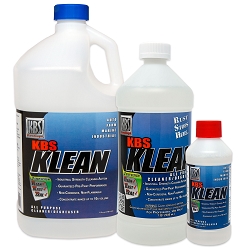
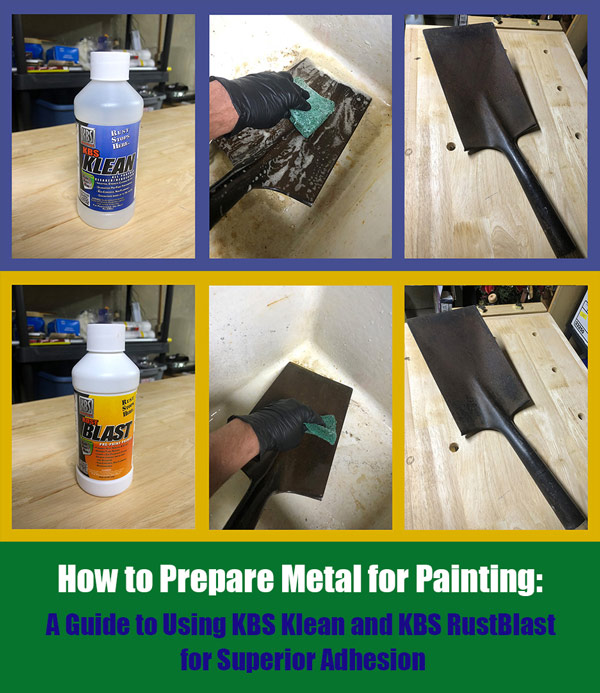
KBS Klean removes grease, oil and grime from metal by breaking down contaminants without leaving the residue a solvent-based cleaner can leave behind. For general cleaning, mix 5 to 10 parts warm water to 1 part KBS Klean; for non-ferrous metals like aluminum, copper or brass, dilute further to about 25 parts water to 1 part KBS Klean. Scrub the surface with a sponge, scrub pad or scrub brush, rinse thoroughly with water, and dry completely with a clean, lint-free cloth or compressed air.
Full step-by-step directions are on the KBS Klean directions page.
Rust Removal and Neutralization With RustBlast
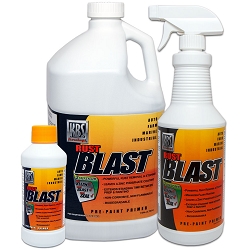
RustBlast chemically dissolves and neutralizes rust so it stops spreading under paint. Spray RustBlast onto rusted areas and keep the surface wet, reapplying as needed, for a minimum of 30 minutes on smooth or lightly rusted surfaces, 40 to 60 minutes on moderately rusted surfaces, and 1 to 2 hours on heavily rusted or corroded surfaces, scrubbing intermittently with a scrub pad or brush to slough off loosened rust.
The ideal working temperature for RustBlast is 55 to 90 degrees F, and the surface must stay wet with RustBlast the entire time; do not let it dry. Once rust is gone, rinse thoroughly with water and let the surface dry completely. Rinsing does two things: it keeps zinc phosphate from building up too heavily, and it neutralizes the acid still active in RustBlast, so skipping the rinse or rinsing only once are both worth doing carefully. A whitish, powdery zinc phosphate residue is normal after drying; leave it in place, since it helps the next coating bond. Coat treated metal within 7 days, or reapply RustBlast if more time has passed.
Full step-by-step directions are on the RustBlast directions page.
Surface Profile and Anchor Pattern
A roughed-up surface, called an anchor pattern, gives coatings texture to grip instead of a slick face to slide off. Sanding or sandblasting creates this profile mechanically; RustBlast creates it chemically by etching the surface while it removes rust, and its zinc phosphate residue adds further adhesion on top of the etch. Apply paint or coating within 7 days of RustBlast treatment while the surface stays clean, dry and covered.
Other Factors That Limit Paint Adhesion on Metal
Beyond rust and grime, four conditions commonly stop paint from bonding well to metal: skin oil left by bare-handed handling, moisture or condensation on the surface, airborne dust settling on a freshly cleaned panel, and surface temperatures outside the 50 to 85 degree F painting range. Wearing gloves, painting in dry conditions away from the dew point, working in a clean area, and checking surface temperature before starting all address a different one of these.
Coating Metal Treated With RustBlast
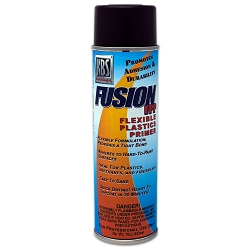
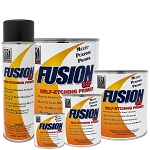
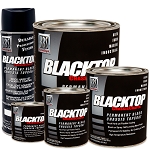
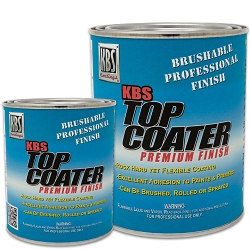
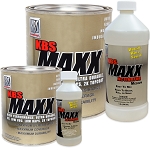
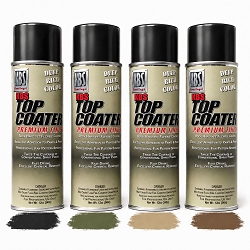
Metal treated with RustBlast, including surfaces with light residual rust, can be coated directly with RustSeal, BlackTop, KBS MAXX, KBS Top Coater, KBS Top Coater Aerosol, Motor Coater, KBS Fusion SEP or KBS Fusion FPP. Apply within 7 days of treatment while the surface stays clean, dry and covered, and reapply RustBlast if more time passes. Heavier corrosion may still need extra mechanical work, such as sanding or scraping, before coating.
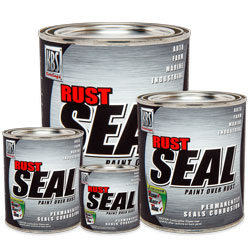
For the strongest rust protection on bare or treated metal, RustSeal is KBS's rust preventive coating and can be top-coated with any opaque system, including BlackTop, KBS MAXX or KBS Top Coater.
What You Need
- KBS Klean: cleans grease, oil and dirt off the metal before rust treatment
- RustBlast: removes and neutralizes remaining rust and etches an anchor profile
- RustSeal: rust preventive topcoat for treated metal, or substitute another KBS topcoat for the job
- Chemical-resistant gloves, safety glasses and proper personal protective equipment
Stuck or unsure? Search the KBS Support Desk for instant answers
Frequently Asked Questions About Preparing Metal for Painting
What should I use to prep metal for paint?
Use KBS Klean to clean the metal and remove grease, oil and dirt, then use RustBlast to remove and neutralize any rust. Cleaning first and treating rust second gives paint a surface it can actually bond to, rather than bonding to a layer of contamination sitting on top of the metal.
Can I just paint over old paint on metal?
Only if the old paint is fully bonded, clean and free of rust underneath. Loose, flaking or chalky paint has to come off first with a scraper, wire brush or sandpaper, since new paint applied over failing paint will fail with it. If the old finish needs to come off completely, see our guide on how to remove paint from metal.
Can you use rubbing alcohol to prep metal for paint?
Rubbing alcohol can lift light residue, but it flashes off quickly and does not cut heavier grease or oil the way a dedicated degreaser does. KBS Klean mixed with warm water breaks down oils and rinses away completely, which is a more thorough prep step before painting metal.
Should I wipe metal with acetone before painting?
Acetone can remove light contamination, but it evaporates fast, is flammable, and can spread grease around rather than lifting it off the surface. KBS Klean diluted in water is the safer, more thorough option for cleaning a full panel before paint.
Still have questions? Search the KBS Support Desk for instant answers
Getting Metal Ready to Paint
Cleaning with KBS Klean and treating rust with RustBlast covers the two things that most often make paint fail on metal. Do both, coat within 7 days, and the anchor profile RustBlast leaves behind will help whatever KBS topcoat comes next bond and hold.
Related guides: How to Remove Paint From Metal, Truck Frame Rust Repair, or browse all KBS application guides.
Tagged Products