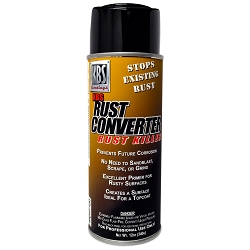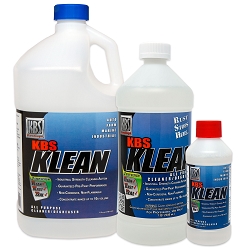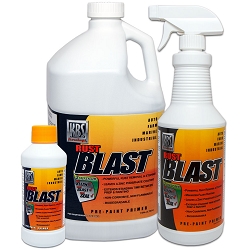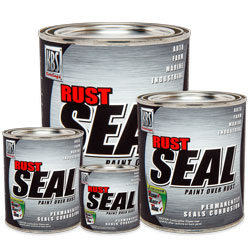


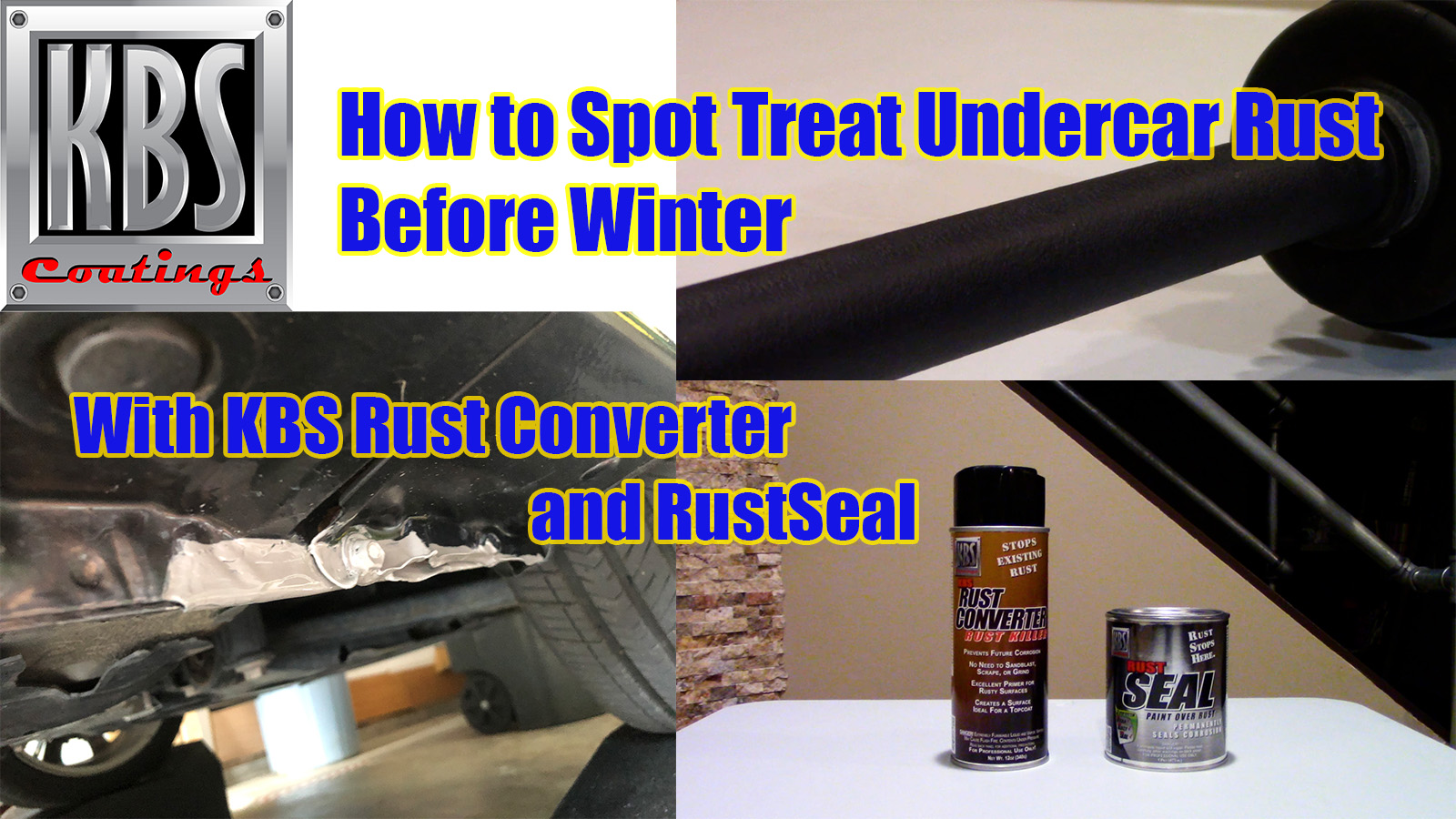
To stop rust on a car's undercarriage, spray active rust spots with KBS Rust Converter to neutralize them, or clean and etch bare and lightly rusted metal with KBS Klean and RustBlast, then seal it with KBS RustSeal. Both products stop moisture and road salt from spreading rust further before winter sets in.
Updated September 2026 by the KBS Coatings technical team.
| Products | KBS Rust Converter, KBS RustSeal |
|---|---|
| Application temperature | Rust Converter: 50 to 90 F. RustSeal: 55 to 82 F. |
| Dry to the touch | Rust Converter: 10 minutes. RustSeal: 2 to 6 hours. |
| Recoat or topcoat window | Rust Converter: 24 hours. RustSeal: 2 to 6 hours between coats, 24 hours before a topcoat. |
Why Winter Is the Worst Time for Undercar Rust
Road salt, moisture, and freeze thaw cycles make winter the fastest way to turn a small rust spot into a structural problem. Floor pans, suspension mounts, frame rails, and rocker panels carry structural loads, so rust there is more than cosmetic, even though it hides where you rarely look.
Common trouble spots include floor pans and cross members, suspension arms and mounts, rocker panels and wheel wells, and exhaust hangers and underbody shields. Treating these areas before winter stops rust from spreading and keeps the metal from thinning further once road salt starts working on it.
Rust Converter or RustSeal: Which Should You Use?
Use KBS Rust Converter on spots that are already rusty and use KBS RustSeal to seal bare metal or a converted surface for the long term. Rust Converter reacts chemically with existing rust to neutralize it fast; RustSeal does not treat rust chemically, but it permanently seals metal against the moisture, oxygen, and road salt that cause rust in the first place.
For the longest lasting protection, KBS recommends prepping the area with KBS Klean and RustBlast and finishing with RustSeal, whether or not you convert the rust first. Rust Converter alone is faster and cheaper for a quick spot fix; RustSeal adds a flexible, durable barrier on top that resists chips and cracks from road debris.


How to Apply KBS Rust Converter to Rusted Metal
KBS Rust Converter is made for surfaces that are already rusty, not bare or mixed bare and rusty metal. Remove loose, flaky rust with a wire brush or 320 grit sandpaper first, and clean the area with KBS Klean if grease or oil is present.
- Shake the can for at least one minute after the mixing ball begins to rattle, and shake occasionally during use.
- Spray in steady, even strokes from 8 to 12 inches away. A chemical reaction turns the rust black as it converts.
- Apply when the can and surface are between 50 and 90 F for best results.
- KBS Rust Converter is dry to the touch in 10 minutes and ready to topcoat or recoat after 24 hours.
- One 12 oz aerosol can covers up to 20 square feet on smooth rust; heavily pitted rust covers less area per can.
Once cured for 24 hours, the converted surface can be left as a flat black finish or topcoated with RustSeal or a compatible paint system. No separate primer is needed; Rust Converter acts as its own primer. Full details are in the KBS Rust Converter directions.
How to Prep and Seal Bare Metal With KBS RustSeal
KBS RustSeal seals bare or lightly rusted metal in three steps: degrease with KBS Klean, etch with RustBlast, then brush, roll, or spray on two or more thin coats of RustSeal.
- Clean with KBS Klean: mix 1 part KBS Klean with 5 parts hot water, scrub with a sponge or bristle brush, then rinse thoroughly and dry. See the KBS Klean directions for other dilution rates.
- Etch with RustBlast: apply full strength and keep the surface wet for the dwell time in the RustBlast directions, re-wetting as needed; a whitish zinc phosphate residue after rinsing and drying actually improves RustSeal adhesion.
- Apply RustSeal: brushing works best for undercar spot repairs. Apply between 55 and 82 F, stir from the bottom of the can before use, and apply a minimum of 2 thin coats at about 2 mils each.
- Recoat: once the previous coat is dry to the touch, typically 2 to 6 hours, apply the next coat. If more than 8 hours pass, wait a full 24 hours and scuff with 320 grit sandpaper before recoating.
RustSeal is fully cured 24 hours after the final coat. Spray settings, thinning and the full technical data sheet are in the RustSeal directions.
RustSeal is not UV stable on its own; sustained sunlight will fade or chalk its color over time, though it keeps sealing rust either way. Most undercarriage areas see little direct sun, but if the treated area is exposed, KBS BlackTop, KBS Top Coater, or KBS MAXX can go directly over RustSeal between 3 and 8 hours after the final coat with no extra prep, or after a full 24 hour cure and a 320 grit scuff.
How to Keep Treated Rust From Coming Back
Rinse road salt off the undercarriage regularly through winter, especially after driving on freshly salted roads, and inspect treated spots each spring for chips or wear in the coating. A RustSeal or Rust Converter repair holds up to normal winter driving, but any bare metal exposed by a rock chip should be spot treated again before it has a chance to spread.
Inside rocker panels and frame rails, where a brush cannot reach, KBS Cavity Coater goes on last, after the exterior coatings have cured.
What You Need
- KBS Klean: degreases the surface before etching or converting.
- KBS RustBlast (for the RustSeal path): etches bare and lightly rusted metal for adhesion.
- KBS Rust Converter: neutralizes existing rust on spots you are not sealing with RustSeal.
- KBS RustSeal: permanently seals bare or converted metal against moisture and salt.
- KBS Hurricane Paint Mixer (optional): mixes RustSeal on a drill so settled pigment is fully back in suspension. Skip it if you stir thoroughly by hand.
- KBS Paint Spout: keeps the can groove clean so the lid reseals tightly between coats.
- KBS Paint Mixing Cup: pour a working amount of RustSeal into the cup and paint from it. Never store RustSeal in the cup; RustSeal breaks down the plastic within days, so keep leftovers in a steel can or glass jar.
- A paint brush for brushing RustSeal onto undercar spot repairs.
- KBS #1 Thinner (optional): thins RustSeal 5 to 10% for spraying. Never use lacquer thinner.
- Chemical-resistant gloves, safety glasses, and a NIOSH/MSHA approved respirator when spraying.
Stuck or unsure? Search the KBS Support Desk for instant answers
Frequently Asked Questions About Undercarriage Rust
How do I treat rust underneath my car?
Remove loose rust with a wire brush or 320 grit sandpaper, then choose a product based on how much rust remains. Spray KBS Rust Converter directly onto areas that are still rusty to neutralize the rust and stop it from spreading, or clean and etch the metal with KBS Klean and RustBlast and brush or spray on KBS RustSeal to permanently seal bare or lightly rusted metal against moisture and road salt.
What is the best rust prevention spray for car undercarriage?
KBS Rust Converter is the better spray-on choice for surfaces that are already rusty, since it chemically converts rust into a hard, paintable black finish in one step. For surfaces that are bare or only lightly rusted, KBS RustSeal (brushed, rolled, or sprayed) provides longer lasting protection because it seals the metal against moisture, oxygen, and road salt rather than just treating existing rust.
What is the best way to remove rust from my car's undercarriage?
For rust you want to physically remove, use a wire brush or 320 grit sandpaper on loose, flaky rust, then clean the area with KBS Klean. Tightly bonded rust does not have to be removed down to bare metal; KBS RustBlast dissolves and etches remaining corrosion, and KBS RustSeal bonds permanently over the remaining flash rust once the surface is rinsed and dried.
Can you stop rust once it starts?
Yes. KBS Rust Converter stops active rust by reacting with it to form a stable, inert black surface within 10 minutes of application, and it can be topcoated or left as is after 24 hours. Sealing the treated area or any surrounding bare metal with KBS RustSeal then keeps new rust from starting by blocking moisture, oxygen, and road salt.
How long does KBS Rust Converter take to dry before I can drive on it?
KBS Rust Converter is dry to the touch in about 10 minutes at 72F and 50% humidity. Wait a full 24 hours before topcoating or exposing the area to heavy moisture, since curing and recoat time take longer in cold or humid conditions.
Do I need to sandblast the undercarriage before applying RustSeal?
No. RustSeal is designed to bond directly to bare metal, sandblasted surfaces, or tightly adhered rust. Clean the area with KBS Klean and etch it with RustBlast first; RustBlast's zinc phosphate residue actually improves RustSeal's adhesion, so sandblasting is not required for a typical spot repair.
Still have questions? Search the KBS Support Desk for instant answers
Winter is hard on the parts of a vehicle you cannot see. Spot treating rust now, with KBS Rust Converter on active rust and KBS RustSeal to seal the rest, protects the floor pans, frame, and suspension before road salt gets a chance to spread it further.
Related guides: the KBS 3-Step Rust Prevention System, or browse all KBS application guides.
Tagged Products