

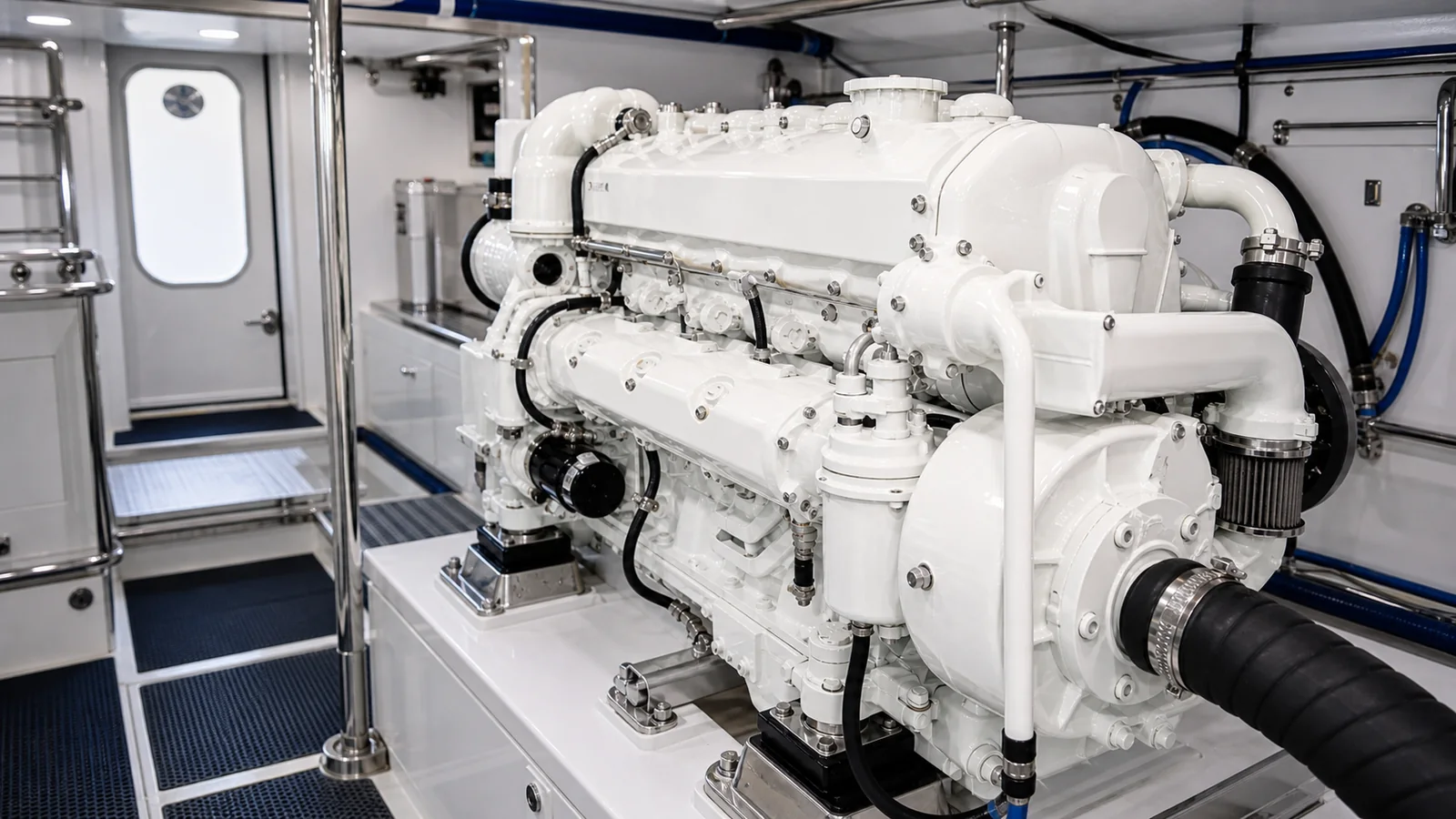
Sea Foam White Motor Coater: The Engine Enamel Built for Lugger Marine Diesel Owners
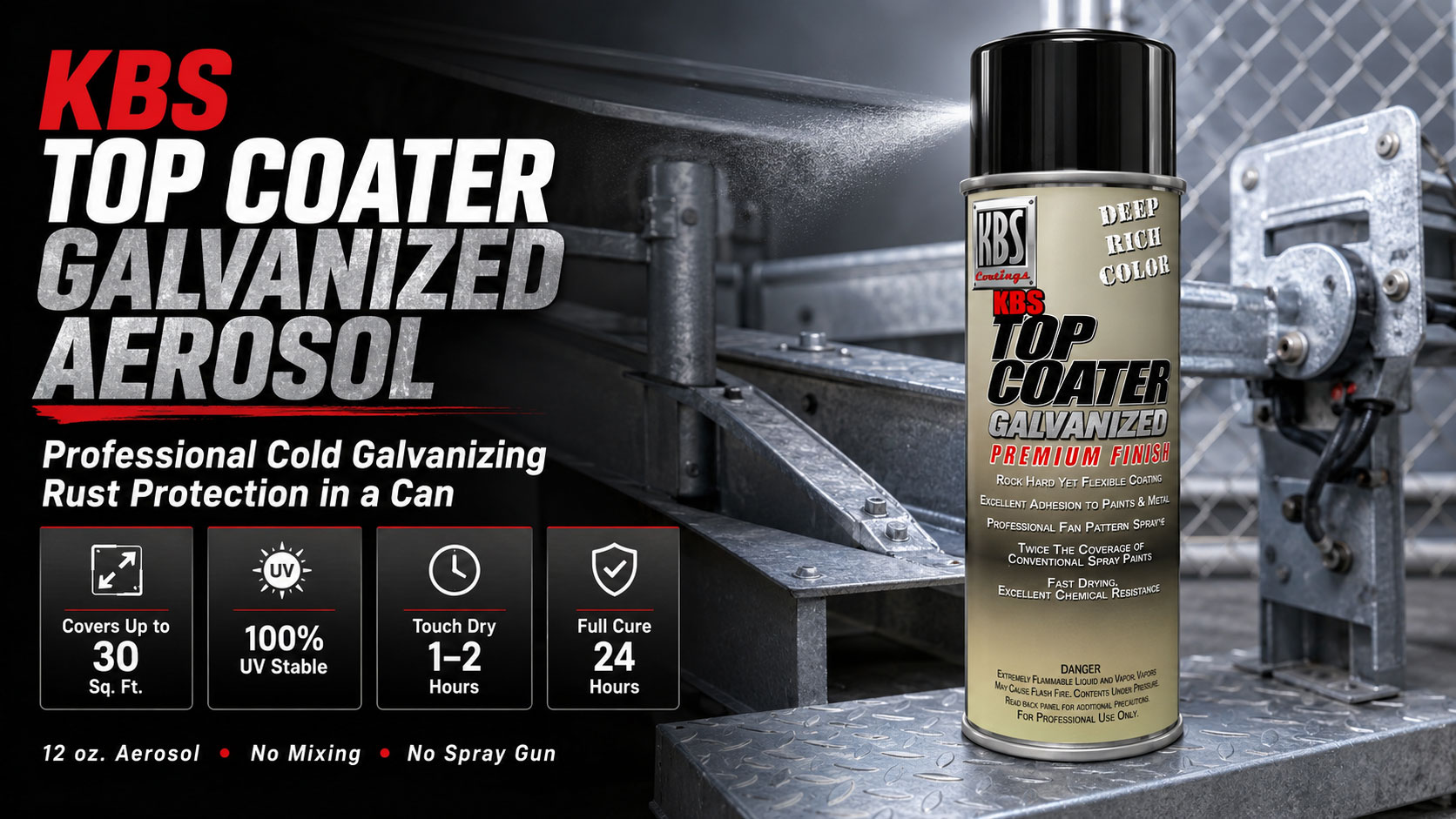
KBS Top Coater Galvanized Aerosol: Professional Cold Galvanizing Rust Protection in a Can
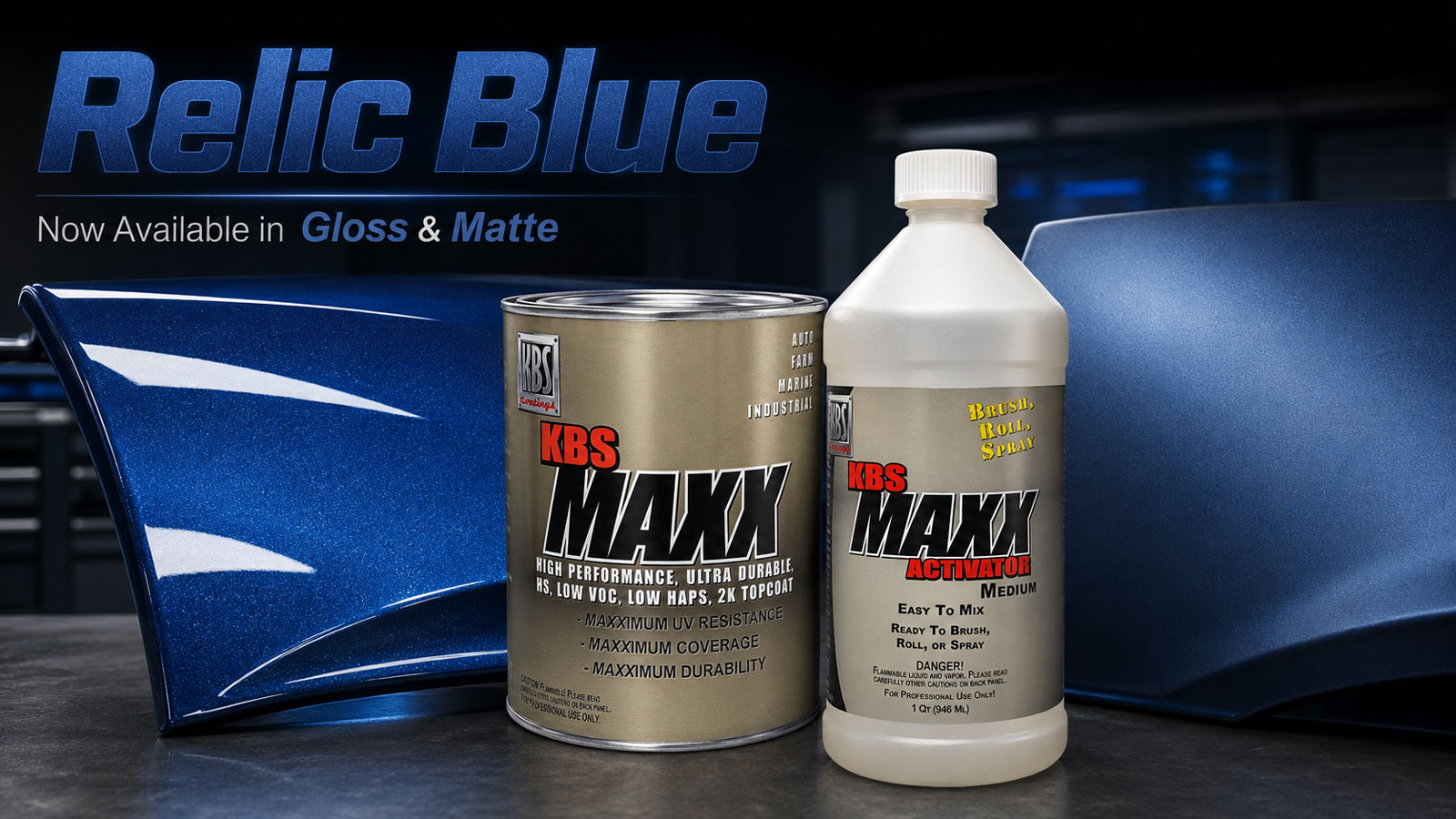
Introducing Relic Blue: A New Metallic Blue Color for KBS MAXX
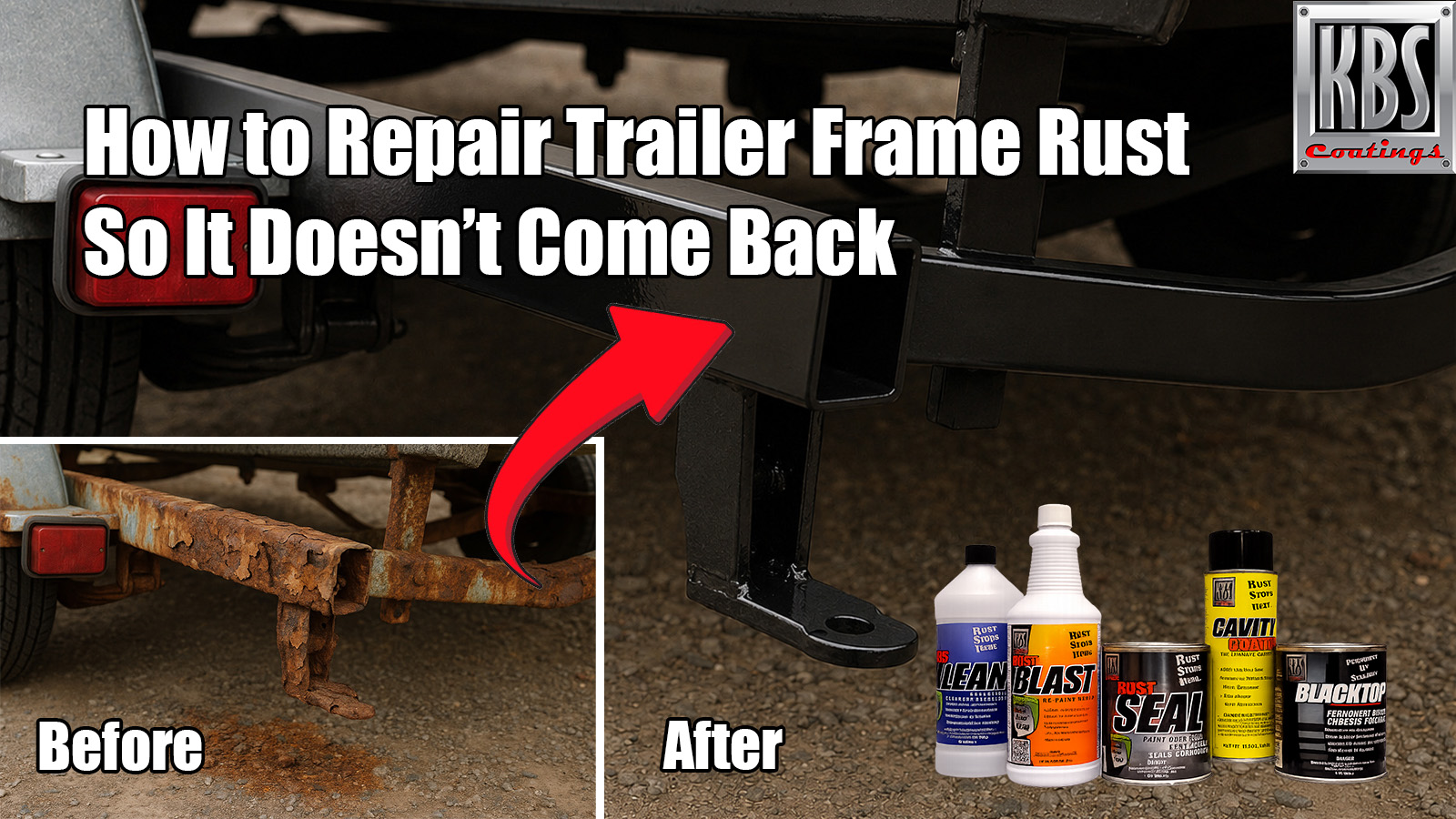
How to Repair Trailer Frame Rust So It Doesn't Come Back
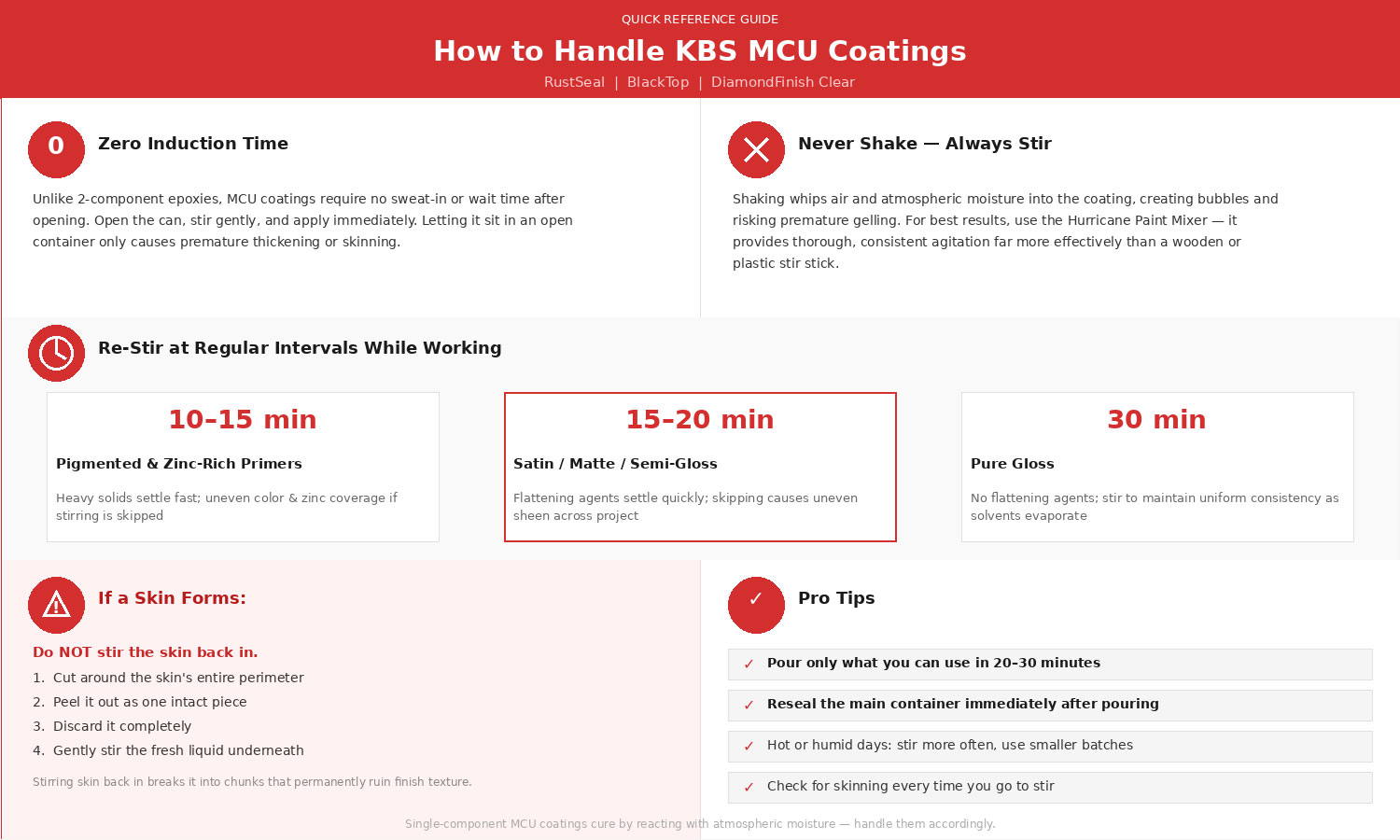
How to Handle Single-Component Moisture-Cured Urethane Coatings: Induction Time, Stirring Intervals, and Skinning Prevention
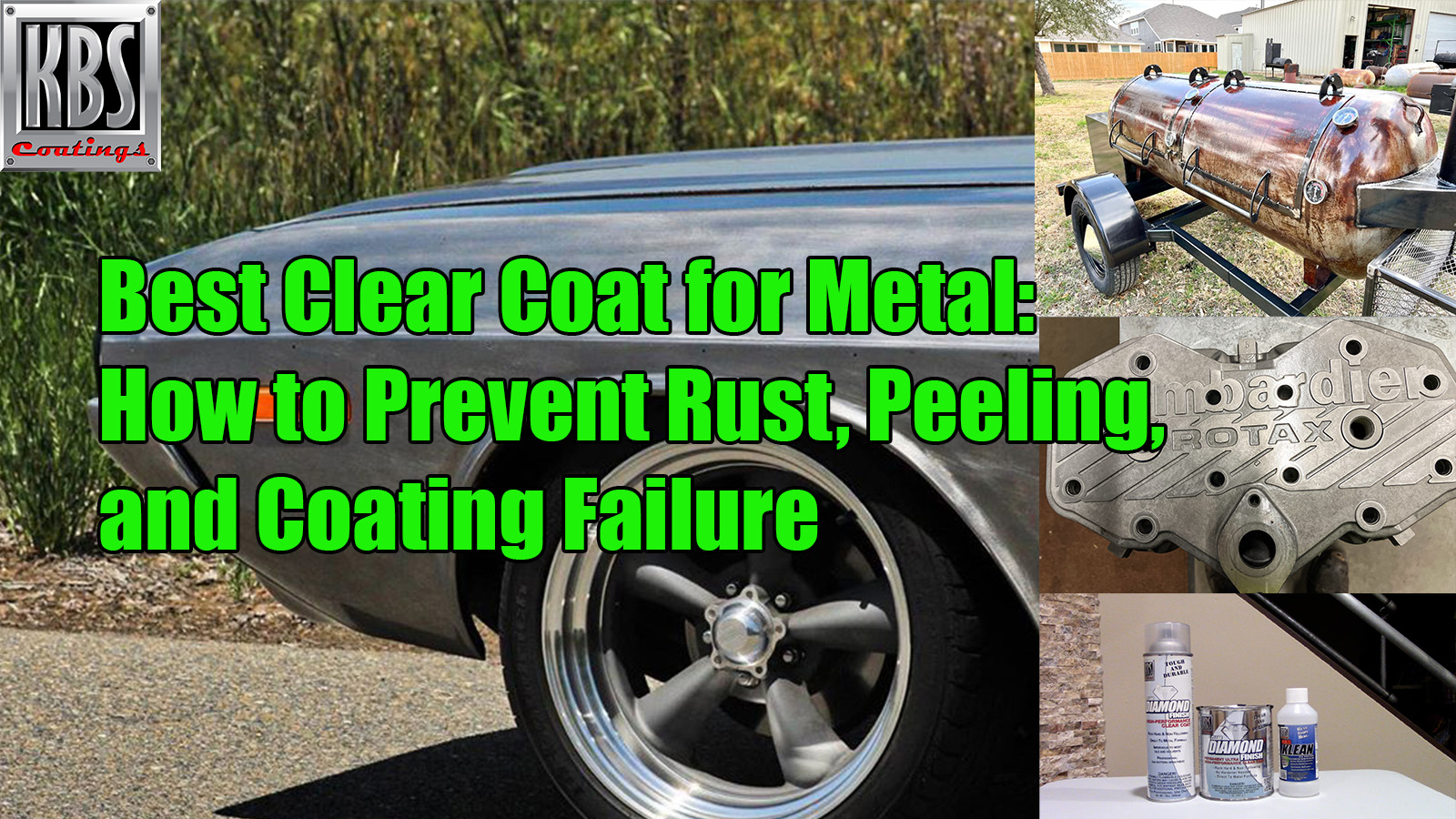
Best Clear Coat for Outdoor Metal Art: Prep & Application Guide
How to Clear Coat Taxidermy with DiamondFinish Clear

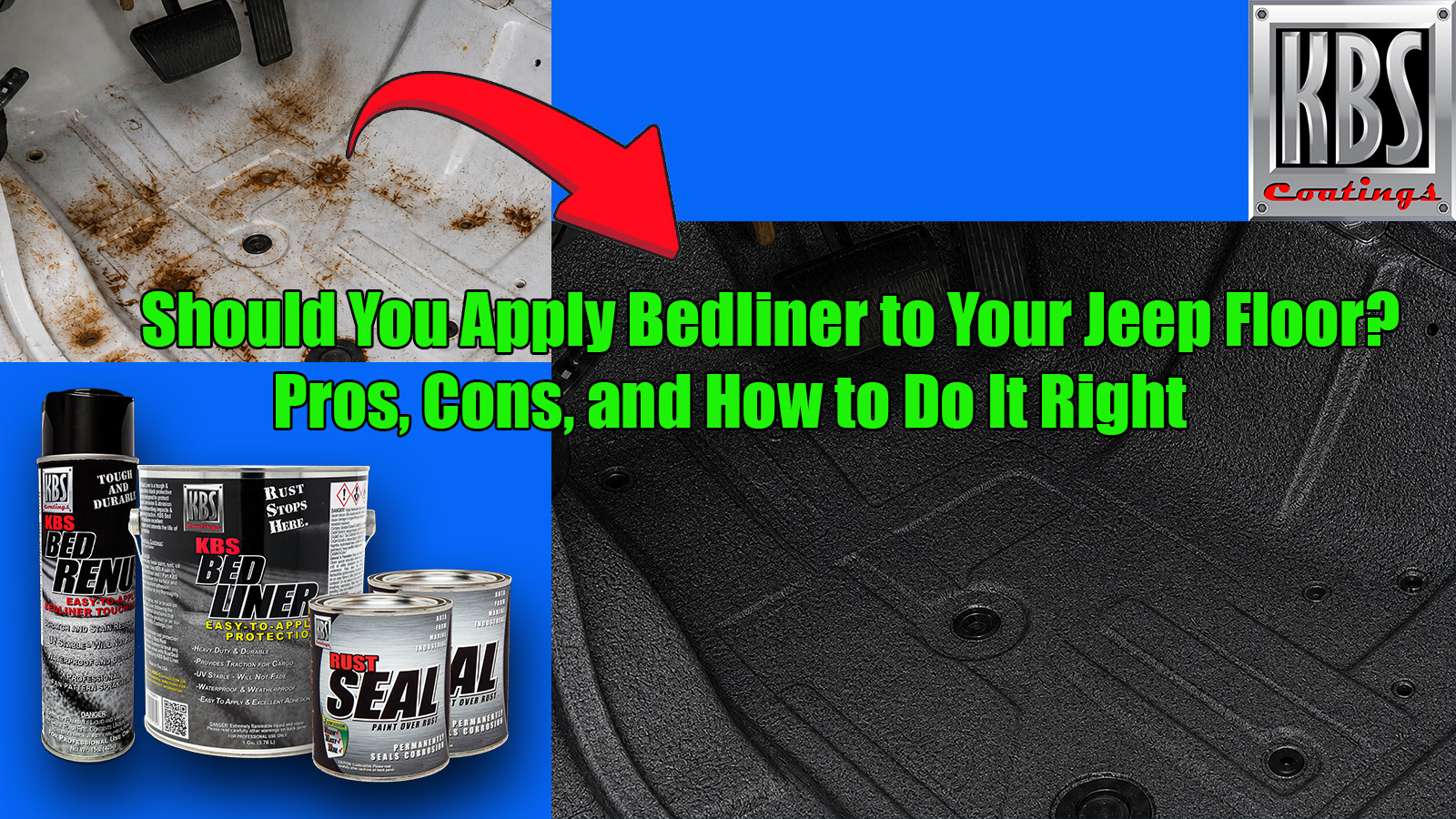
How to Apply Bedliner to Your Jeep Floor: Prep, Seal, and Protect
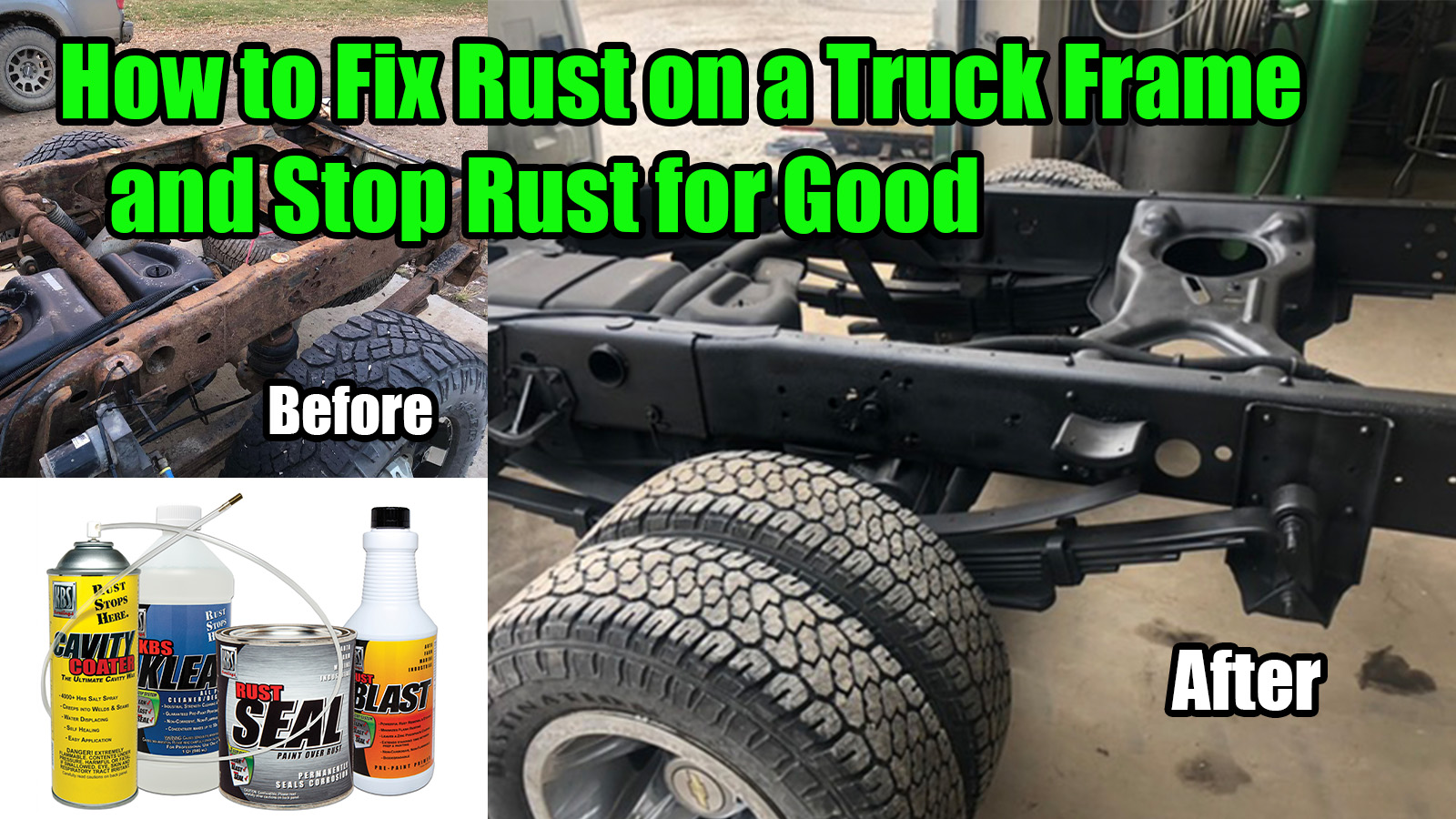
How to Fix Rust on a Truck Frame and Stop Rust for Good
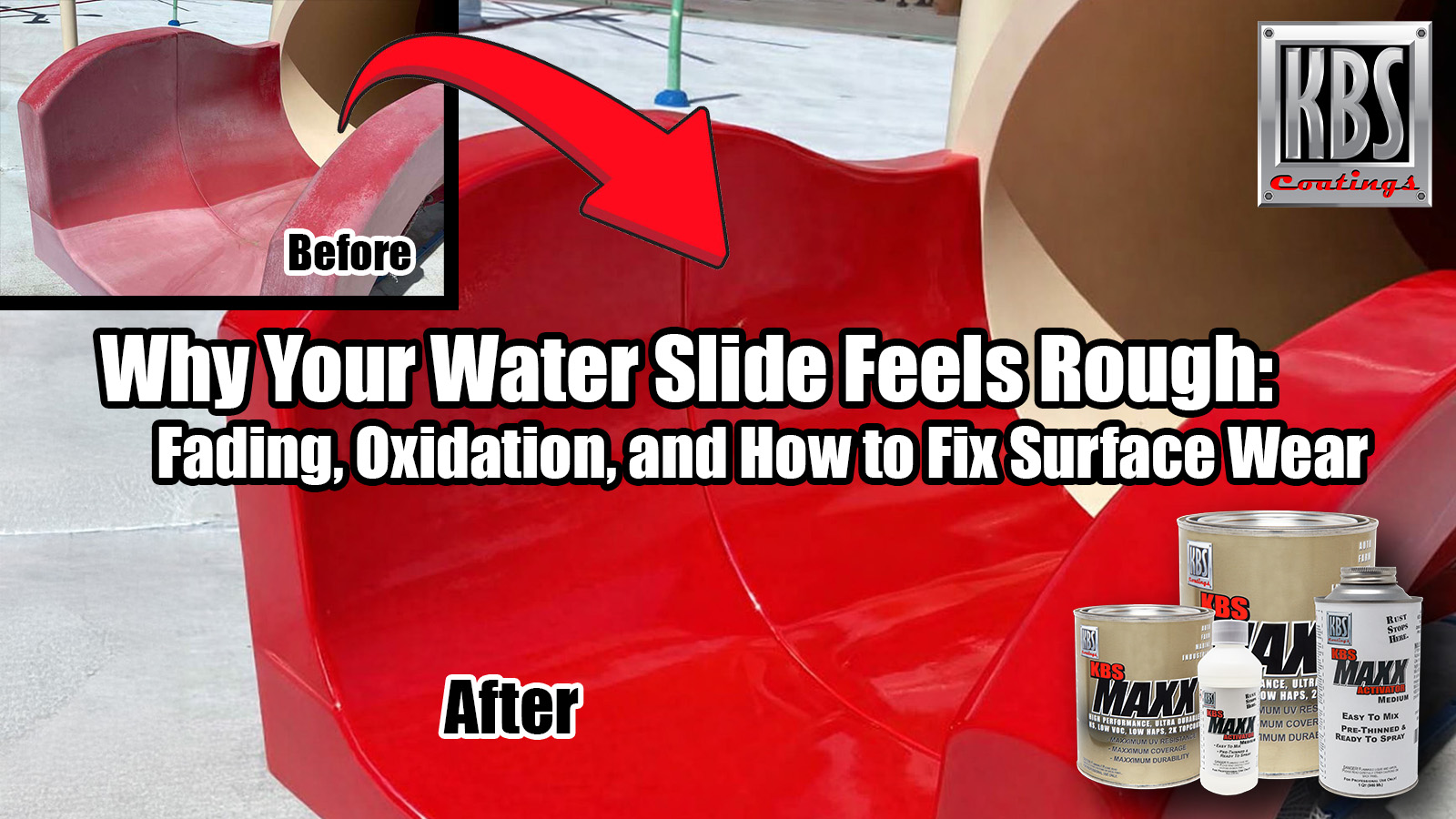
How to Fix a Rough, Faded, or Oxidized Water Slide - Restore Speed and Performance
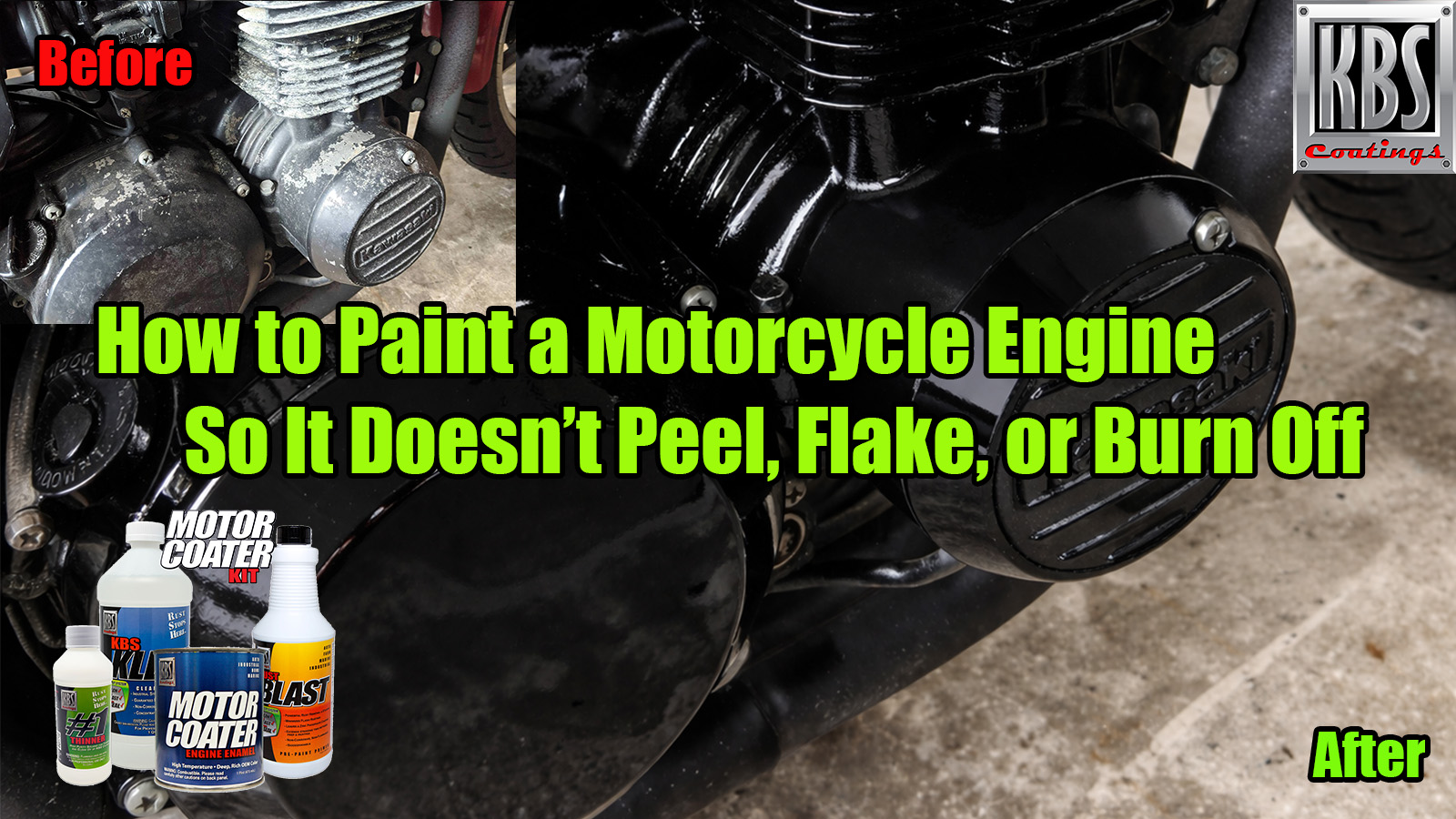
How to Paint a Motorcycle Engine So It Doesn't Peel, Flake, or Burn Off
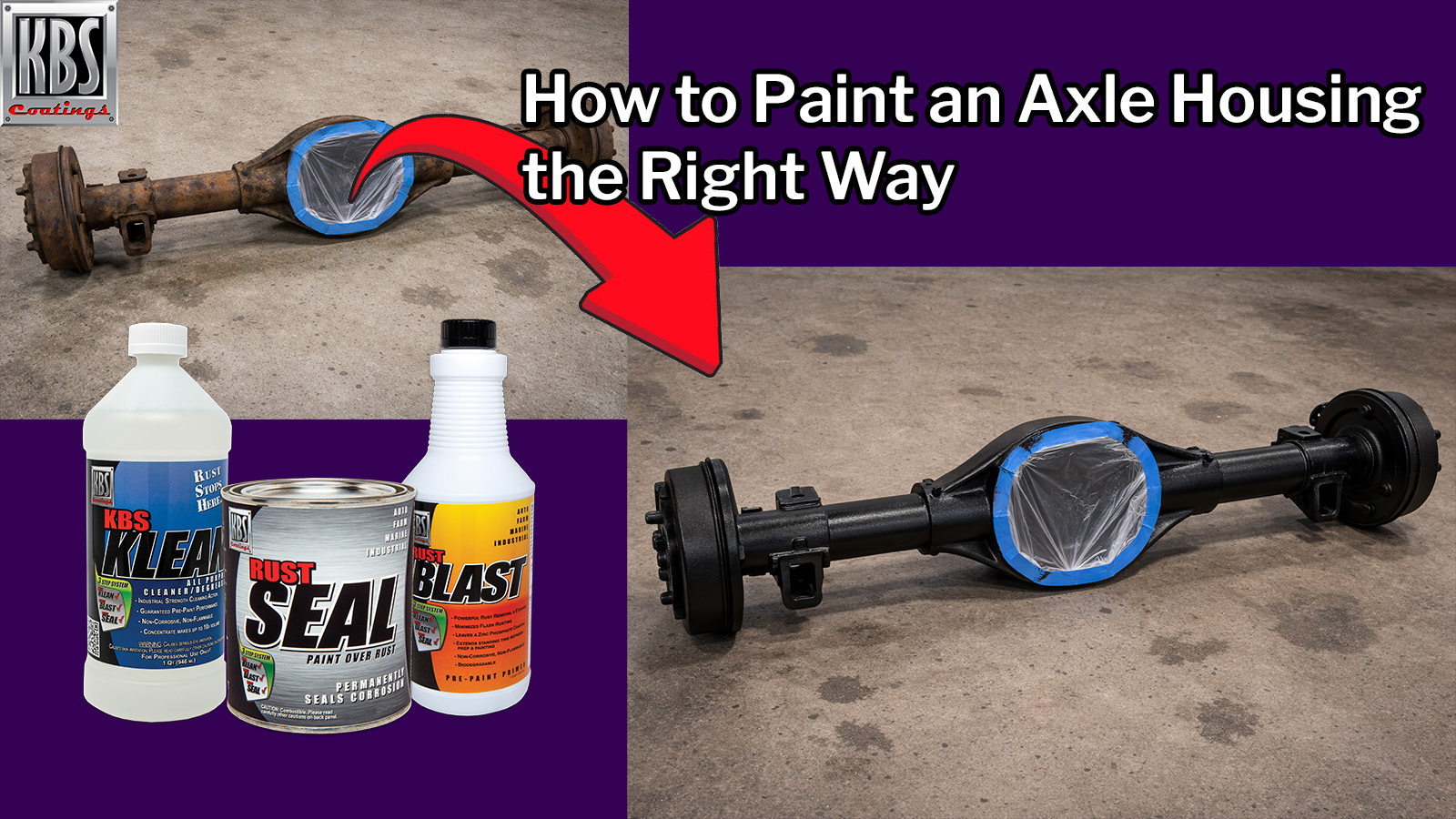
How to Paint an Axle Housing the Right Way: Prevent Rust and Peeling
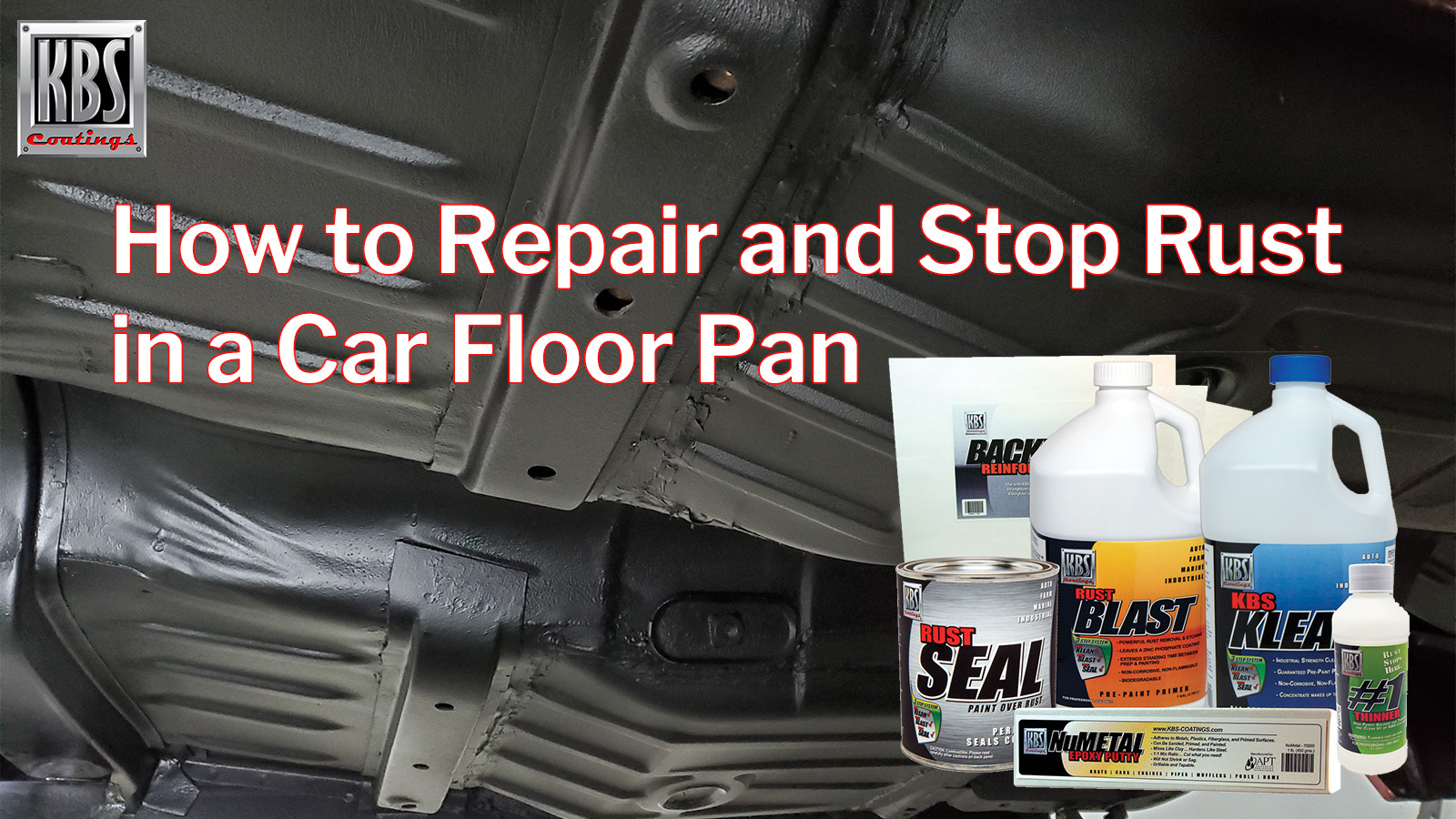
How to Repair & Stop Car Floor Pan Rust | The Ultimate DIY Guide
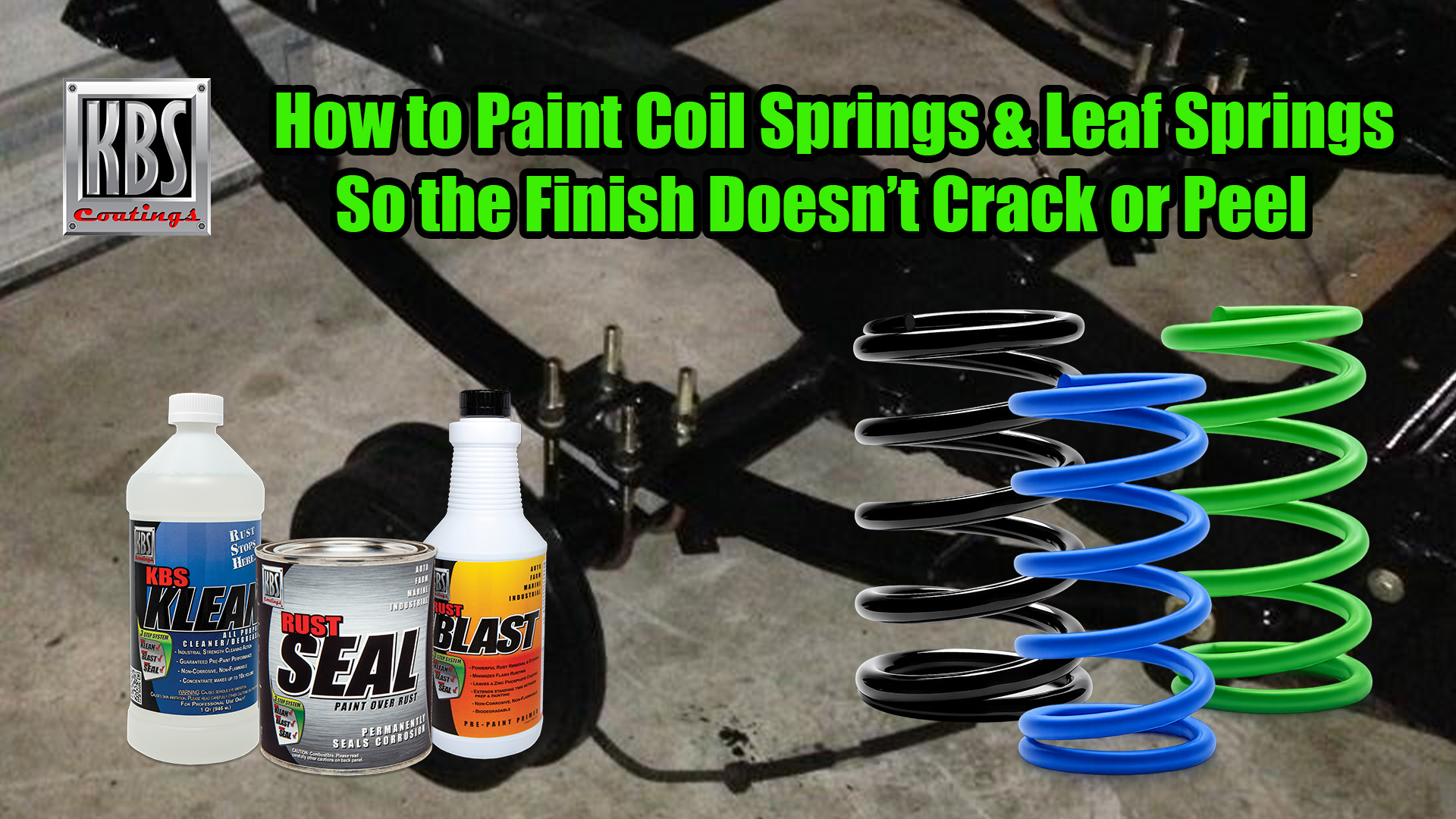
How to Paint Coil Springs and Leaf Springs So the Finish Doesn’t Crack or Peel
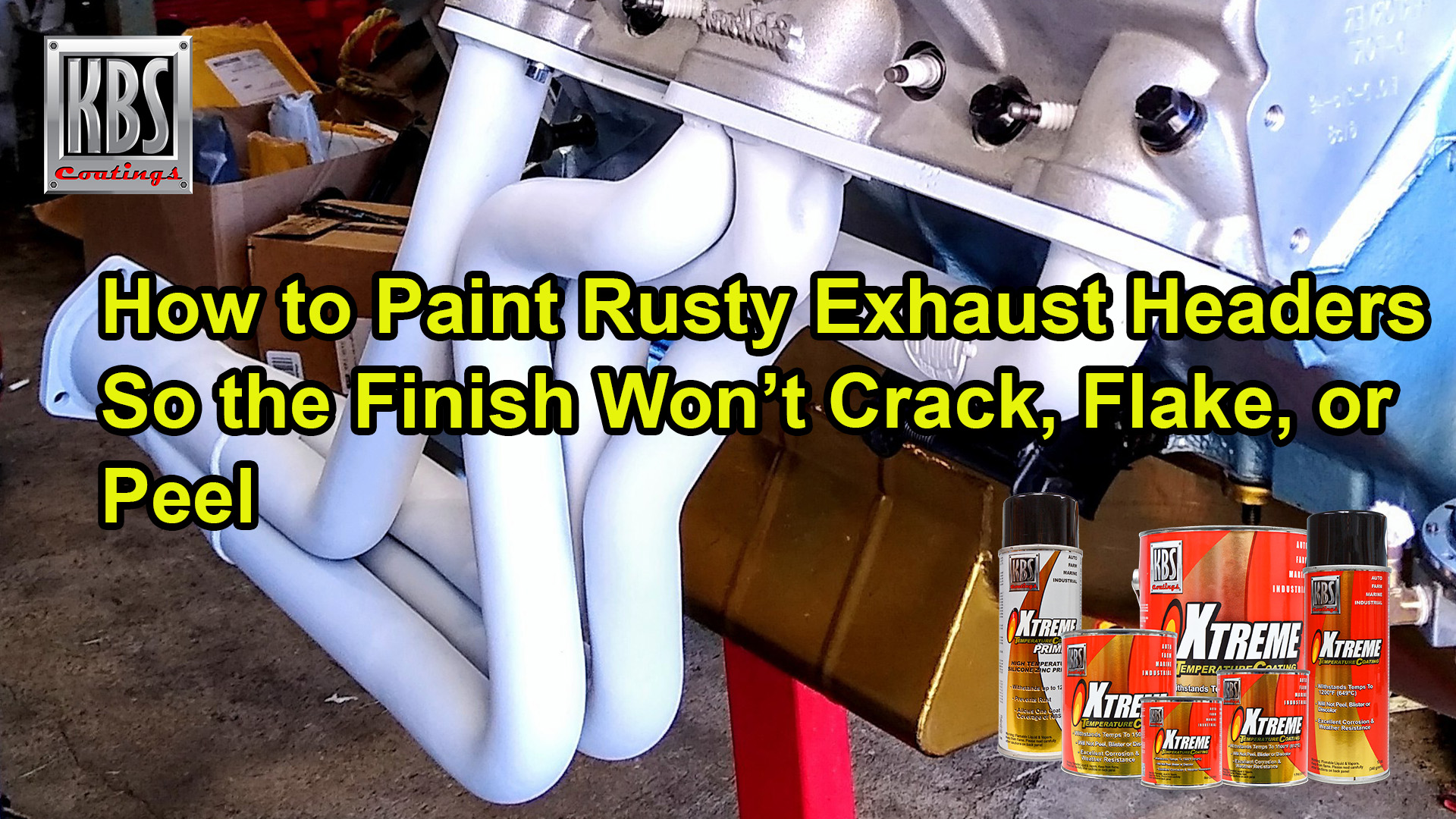
How to Paint Rusty Exhaust Headers So the Finish Won’t Crack, Flake, or Peel
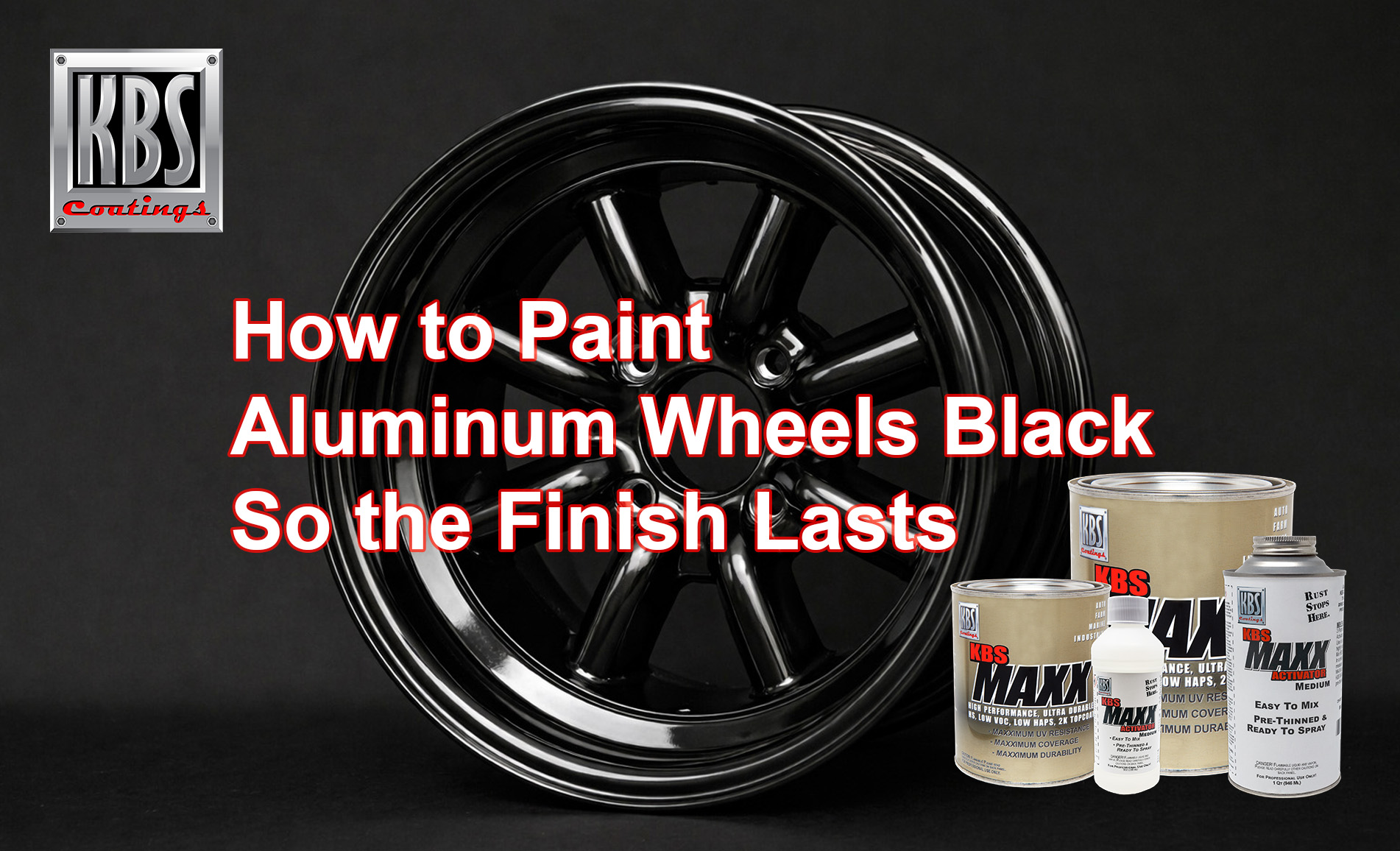
How to Paint Aluminum Wheels Black So the Finish Lasts
What’s the Most Durable Way to Seal Wood Exposed to Heavy Use and Harsh Conditions?
How to Stop and Prevent Rust on Steel UTV Skid Plates
How to Protect a Wood Shed Floor from Moisture and Wear
How to Stop and Prevent Rust and Corrosion on Docks and Dock Railings
A Proper Body Repair Method That Keeps Rust from Coming Back
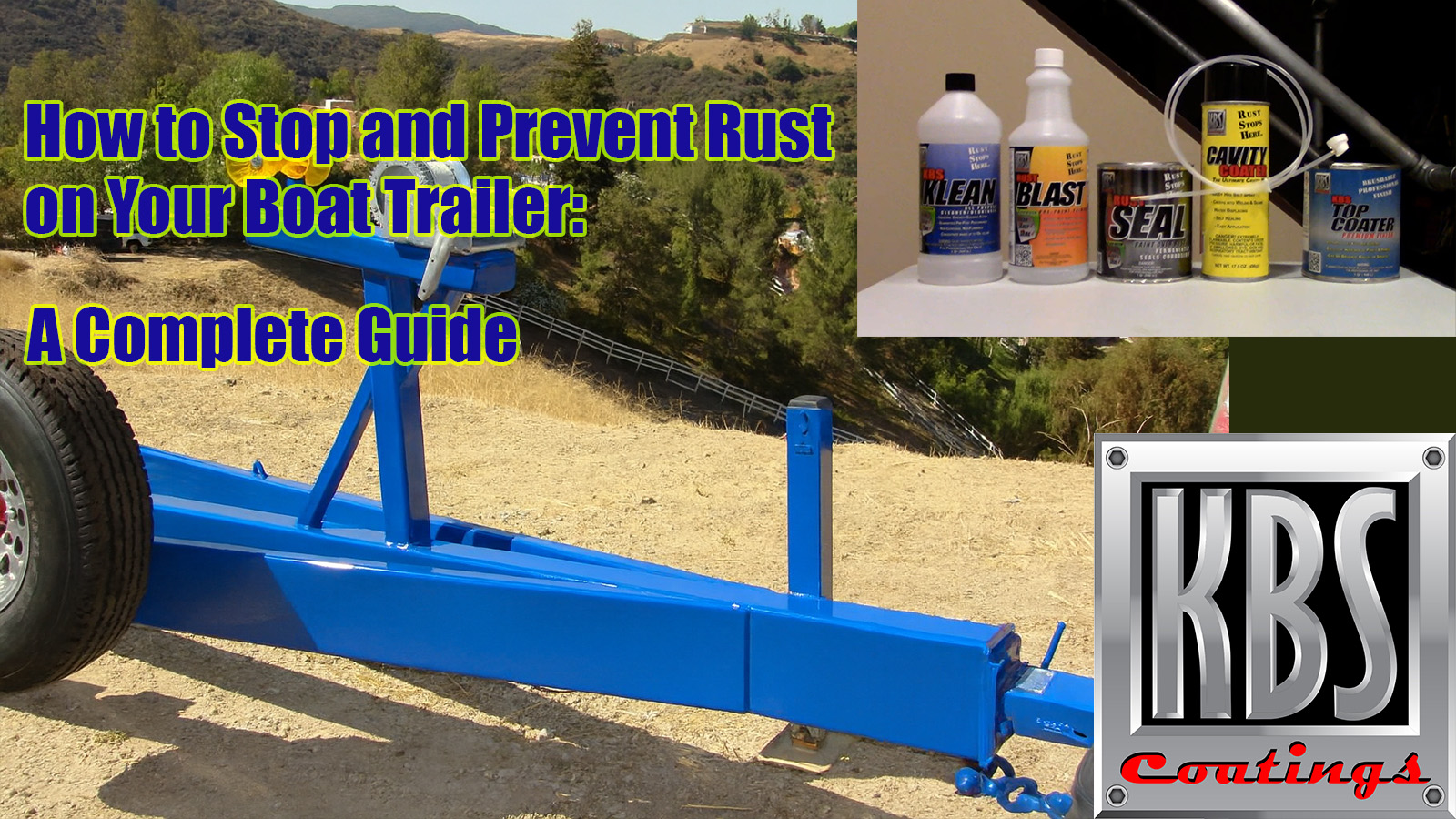
How to Prevent Boat Trailer Rust: A Step-by-Step Guide
How to Stop Rust on a Steel Fence and Make It Look New Again
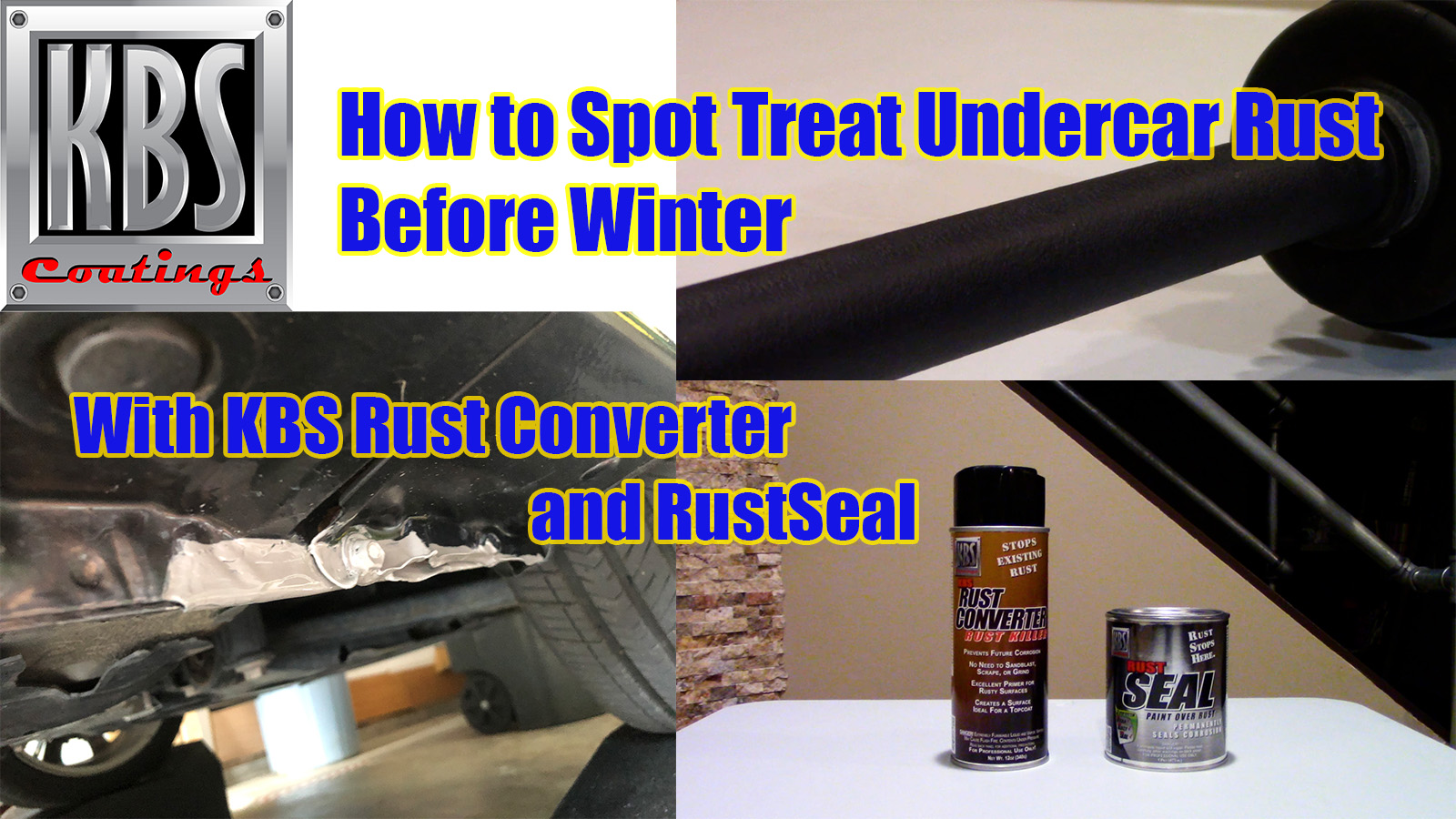
How to Stop Rust on a Car's Undercarriage Before Winter
How To Properly Open a Paint Can Preventing a Stuck Lid and How To Preserve Paint In The Can

How to Clear Coat Over Rust and Preserve the Patina Look

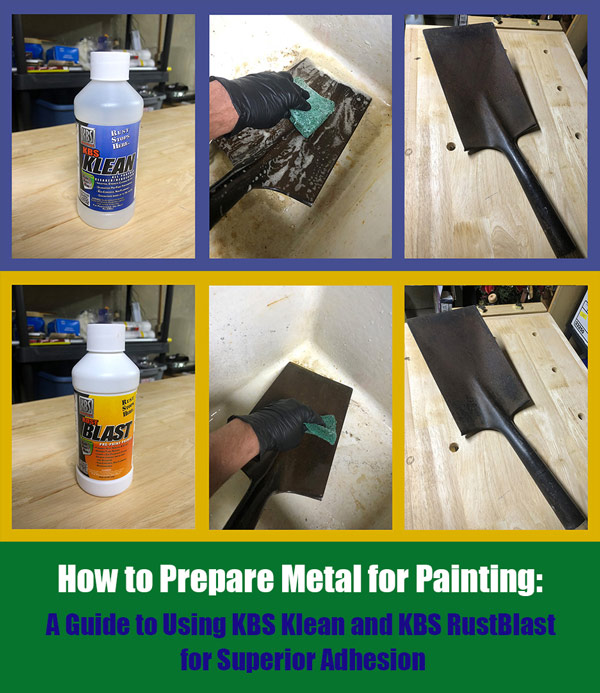
How to Prepare Metal for Painting for a Durable Finish
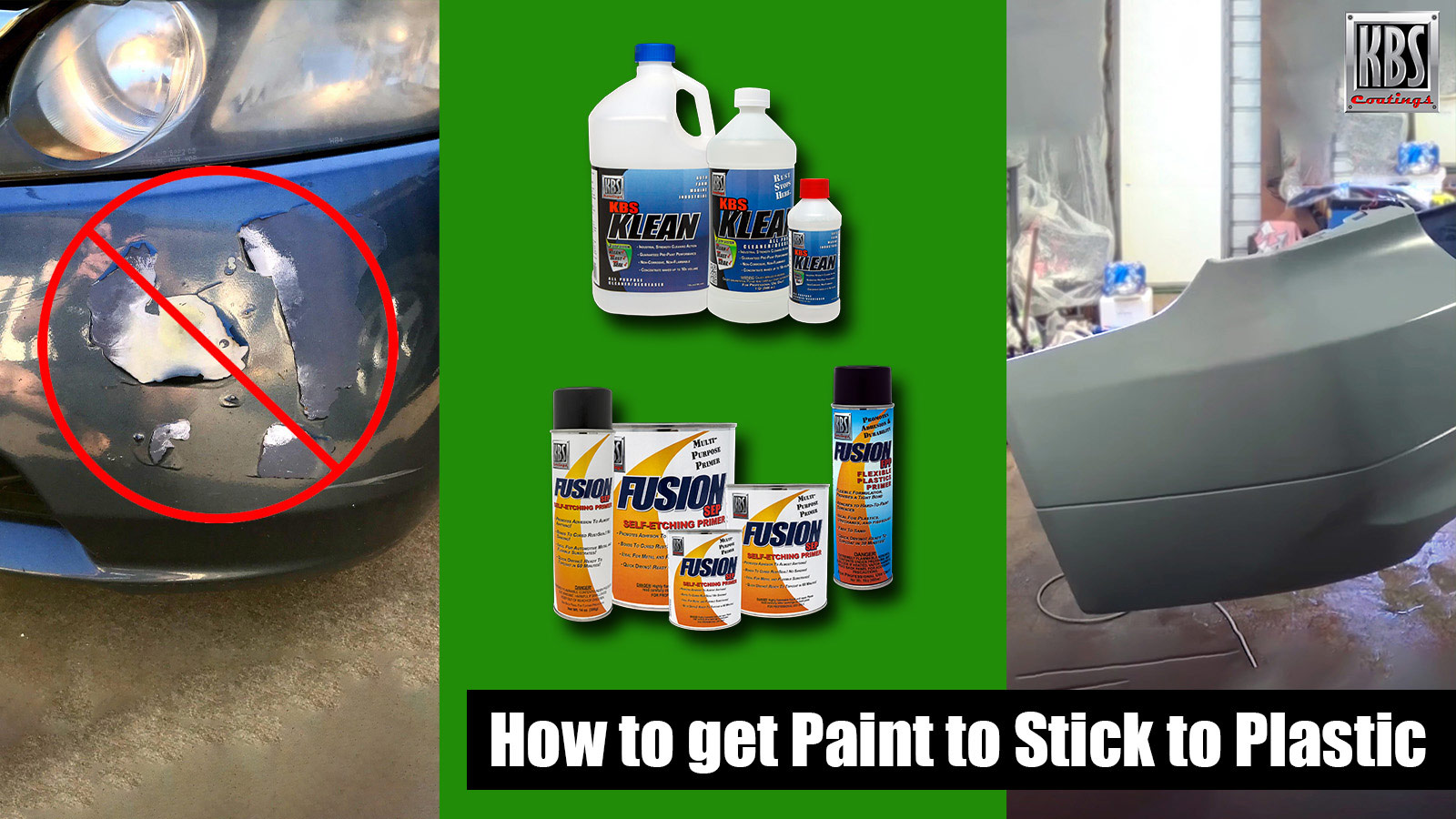
How to Get Paint to Stick to Plastic: Step-by-Step Guide
Best Way to Store Paint and Coatings and Mix for Use

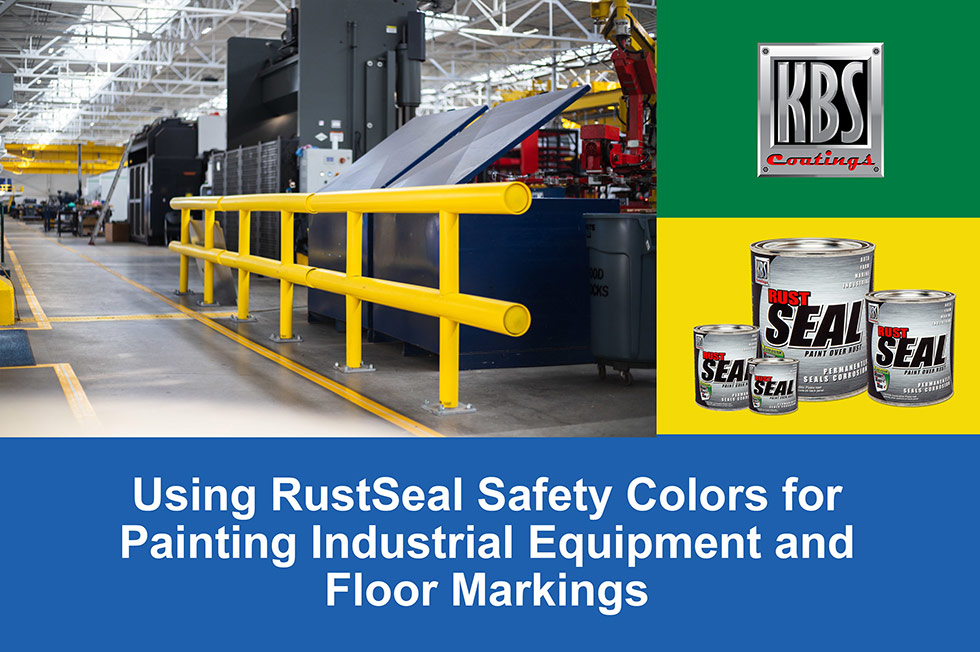
RustSeal Safety Colors for Industrial Equipment and Floor Markings
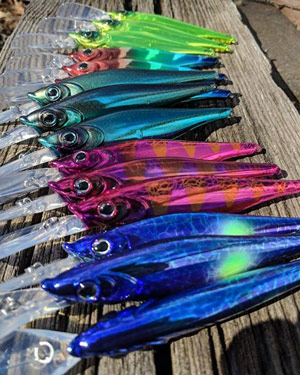
Lure Makers Need A Quality Clear Coat
Marine Paint Needs to Have Toughness, Flexibility, and Durability
Marine Paint Needs to Have Toughness, Flexibility, and Durability

Marine environments can wreak havoc on metal and the paints they are finished with. Things like boat trailers, decks, hulls, masts, and storage lockers are susceptible to the moist and often salty conditions. Wear and tear can damage paint, exposing metal, and soon rust sets in. Without stopping rust, it causes damage that can be costly to repair or require replacement of the rusted part.
To avoid damage the metal needs to be refinished immediately with marine paint. However, rust usually sets in before the job can be completed. So, what is the best way to refinish metal that is rusted? What needs to be considered when choosing a rustproof paint for marine use?
Marine paint needs to separate air and moisture from the metal to avoid oxidation, the precursor to rust. To keep air and moisture away from metal the paint must bond strongly and be hard to avoid damage from wear and tear.
Flexibility is another important quality marine paint needs to address. Flexibility allows the paint to remain bonded to the metal if it is dented, as well as when the metal expands and contracts. Durability is critical also to reduce the frequency of the metal needing to be refinished. UV stability is a primary concern as the paint will most likely have high exposure to the sun.
To maintain an impenetrable barrier that will seal the metal away from air and moisture, marine paint ultimately must have toughness, flexibility, and durability to remain uncompromised by dings and dents to the metal, as well as the elements.
KBS Coatings RustSeal performs well as a marine paint as it has the necessary toughness, flexibility, and durability needed to maintain an air and moisture proof seal with the metal. RustSeal is a single part, moisture cured, rust preventive coating. The formulation of the RustSeal makes it wholly non-porous and impervious to air, water, sea salt and chemicals. RustSeal is for use above or below the waterline and will protect metal that is underwater or exposed to constant high humidity.
KBS Coatings' Advanced Cross-Linked Coatings Technology makes RustSeal both highly-durable and flexible. Its hardness helps to avoid damage from wear and tear, while its flexibility allows it to remain bonded to metal during expansion and contraction, or if it is dented. RustSeal will not crack, flake, or peel in marine environments. Check out THIS VIDEO demonstrating RustSeal’s durability and flexibility. RustSeal is user-friendly and can be brushed on, rolled on, or sprayed on. It flows out well and is self-leveling to provide a beautiful, smooth finish without brush marks.
To achieve the best bond of RustSeal to metal, the surface needs to be properly prepared. Corrosion and organic contaminants need to be removed so that RustSeal can deeply penetrate and permanently adhere. This includes removing dirt, oil, grease and other contaminants. The surface also needs to have a texture, or etch, that allows the RustSeal to take hold. This preparation can be achieved by sand blasting. However, blasting with plastic, bead or soda media will not provide the amount of abrasion needed for direct RustSeal application. If the metal is not being sandblasted, KBS Coatings offers KBS Klean and KBS RustBlast for proper surface preparation.
KBS Klean is a concentrated, water-based, biodegradable, and non-flammable formula that cleans the surface by removing dirt, grime, oils, lubricants, grease, waxes, scum, algae, and other contaminants. KBS Klean is applied after using 320 grit sandpaper, or a wire brush or wheel to remove any loose flakey rust. After the KBS Klean procedure is complete, it is time for KBS RustBlast.
RustBlast is a powerful rust remover, zinc phosphate pre-primer, and metal etch. RustBlast dissolves rust, corrosion, metal oxides, and tarnish from most metal surfaces. Prior use of KBS Klean is important as the cleaner the surface is, the more effective RustBlast will be. RustBlast ultimately allows RustSeal to penetrate more deeply into pores in the metal to permanently seal and protect the surface.
RustSeal is not intended for use as a final marine paint finish as long-term exposure to direct UV light will cause fading of the color and sheen. RustSeal’s guaranteed rust protective properties, however, will not degrade. To protect against unwanted cosmetic changes, RustSeal can be top coated with any opaque (solid color) paint system. A popular choice is KBS Coatings Top Coater, which is included in the KBS All-In-One Kit. This user-friendly all-inclusive kit consists of KBS Klean, RustBlast, RustSeal, KBS Top Coater and KBS #1 Thinner.
KBS Top Coater is a single part, high solids paint that does not run or sag, and gives at least twice the coverage of conventional single part marine paint. Like RustSeal, KBS Top Coater can be brushed, rolled or sprayed on. Its self-leveling properties allow it flow out well, not show brush marks and provide professional looking results. KBS Top Coater is available in 16 colors.
Marine environments can wreak havoc on metal and the marine paint it is finished with. KBS Coatings provides a solution to avoid rust with a tough, long lasting and durable barrier, while providing a beautiful and professional appearing finish.

For more information on the KBS Coatings All-In-One Kit click HERE.
Marine Paint Needs to Have Toughness, Flexibility, and Durability

Marine Paint Needs to Have Toughness, Flexibility, and Durability
Marine environments can wreak havoc on metal and the paints they are finished with. Things like boat trailers, decks, hulls, masts, and storage lockers are susceptible to the moist and often salty conditions. Wear and tear can damage paint, exposing metal, and soon rust sets in. Without stopping rust, it causes damage that can be costly to repair or require replacement of the rusted part.
To avoid damage the metal needs to be refinished immediately with marine paint. However, rust usually sets in before the job can be completed. So, what is the best way to refinish metal that is rusted? What needs to be considered when choosing a rustproof paint for marine use?
Marine paint needs to separate air and moisture from the metal to avoid oxidation, the precursor to rust. To keep air and moisture away from metal the paint must bond strongly and be hard to avoid damage from wear and tear.
Flexibility is another important quality marine paint needs to address. Flexibility allows the paint to remain bonded to the metal if it is dented, as well as when the metal expands and contracts. Durability is critical also to reduce the frequency of the metal needing to be refinished. UV stability is a primary concern as the paint will most likely have high exposure to the sun.
To maintain an impenetrable barrier that will seal the metal away from air and moisture, marine paint ultimately must have toughness, flexibility and durability to remain uncompromised by dings and dents to the metal, as well as the elements.
KBS Coatings RustSeal performs well as a marine paint as it has the necessary toughness, flexibility and durability needed to maintain an air and moisture proof seal with the metal. RustSeal is a single part, moisture cured rust preventive coating. The formulation of the paint makes it non-porous and impervious to air, water, sea salt and chemicals. RustSeal is for use above or below the waterline and will protect metal that is underwater or exposed to constant high humidity.
KBS Coatings Advanced Cross-Linked Coatings Technology makes RustSeal both highly-durable and flexible. Its hardness helps to avoid damage from wear and tear, while its flexibility allows it to remain bonded to metal during expansion and contraction, or if it is dented. RustSeal won’t crack, flake or peel in marine environments. Check out this video demonstrating RustSeal's durability and flexibility.
RustSeal is user-friendly and can be brushed on, rolled on, or sprayed on. It flows out well and is self-leveling to provide a beautiful, smooth finish without brush marks. The paint is available in at least 10 colors.
To achieve the best bond of RustSeal to metal, the surface needs to be properly prepared. Corrosion and organic contaminants need to be removed so that RustSeal can deeply penetrate and permanently adhere. This includes removing dirt, oil, grease and other contaminants. The surface also needs to have a texture, or etch, that allows the RustSeal to take hold. This preparation can be achieved by sand blasting. However, blasting with plastic, bead or soda media will not provide the amount of abrasion needed for direct RustSeal application. If the metal is not being sandblasted, KBS offers KBS Klean and RustBlast for proper surface preparation.
KBS Klean is a concentrated, water-based, biodegradable, and non-flammable formula that cleans the surface by removing dirt, grime, oils, lubricants, grease, waxes, scum, algae, and other contaminants. KBS Klean is applied after using 320 grit sandpaper, or a wire brush or wheel to remove any loose flakey rust. After the KBS Klean procedure is complete, it is time for RustBlast.

RustBlast is a powerful rust remover, zinc phosphate pre-primer, and metal etch. RustBlast dissolves rust, corrosion, metal oxides, and tarnish from most metal surfaces. Prior use of KBS Klean is important as the cleaner the surface is, the more effective RustBlast will be. RustBlast ultimately allows RustSeal to penetrate more deeply into pores in the metal to permanently seal and protect the surface.

RustSeal is not intended for use as a final marine paint finish as long-term exposure to direct UV light will cause fading of the color and sheen. RustSeal’s guaranteed rust protective properties, however, will not degrade. To protect against unwanted cosmetic changes, RustSeal can be top coated with any opaque (solid color) paint system. A popular choice is KBS Coatings Top Coater, which is included in the KBS All-In-One Kit. This user-friendly all-inclusive kit consists of KBS Klean, RustBlast, RustSeal, Top Coater and KBS #1 Thinner.
KBS Top Coater is a single part, high solids paint that does not run or sag, and gives at least twice the coverage of conventional single part marine paint. Like RustSeal, KBS Top Coater can be brushed, rolled or sprayed on. Its self-leveling properties allow it flow out well, not show brush marks and provide professional looking results. KBS Top Coater is available in at least 16 colors.

Marine environments can wreak havoc on metal and the marine paint it is finished with. KBS Coatings provides a solution to avoid rust with a tough, long lasting and durable barrier, while providing a beautiful and professional appearing finish.

For more information on the KBS Coatings All-In-One Kit click HERE.
Wood Clear Coat for Outdoor Use
Car Frame Repair is Kept Free of Future Corrosion Using the KBS Ultimate Frame Coater Kit

Car Frame Repair is Kept Free of Future Corrosion Using the KBS Ultimate Frame Coater Kit
During an automotive restoration car frame repair is often necessary. During the life of the car, or truck, the frame may have been damaged by rust or a collision. Since a damaged frame affects safety, it is important to be sure the frame is repaired properly. The first step of a car frame repair is a thorough inspection of the frame to determine if it has any damage.
In cases of collision a frame may be visibly bent, however, there are times when the damage may not be visible. This might be noticed if the vehicle is pulling to one side as it is being driven. If an alignment is performed and the car is still pulling, there is a good chance the frame is bent. Uneven tire wear is also an indicator of a bent frame. Again, if after an alignment is performed and the condition persists, the frame may be bent. Another sign of a bent frame are shocks and suspension that are worn unevenly. These components will wear faster on the side of the vehicle where more weight is being distributed by the bent frame. Uneven gaps in the body can also be a telltale sign of a tweaked frame and need for car frame repair.
To straighten the frame, autobody shops use powerful hydraulic machines to push and pull the frame back into shape. That is, if the car or truck hasn’t been too badly damaged. In this case, car frame repair may be possible by cutting out the bent portions of the frame and weld in replacement pieces.
Another consideration are cracks in the frame that have formed due to collision, or stress from long-time use. Cracks can be visible to the naked eye, however, some are hard to see or are hidden just below the surface of the metal. Also, visible cracks may have ends that are so narrow that it is difficult to see how far they extend. There are methods to find these small cracks in the metal. The first is visible dye penetrant testing where dye is applied to the metal surface. After a period, the dye is wiped off the surface, which leaves dye that has settled into the crack. Therefore, making the crack visible as a bright red line. The only drawback is that the test will only show cracks that have reached the surface. It won’t show internal cracking of the metal.

Dye penetrant testing indicates cracked metal
A different and more accurate way to test metal for cracks is magnetic particle inspection, which is commonly known as Magnaflux. This process detects cracks that are on the surface as well as defects in the subsurface of the metal. The way it works is magnetic particles, suspended in oil, are applied to the surface of the metal. The metal then receives a magnetic charge causing the magnetic particles in the oil to concentrate where cracks or defects in the metal are and indicate where they are located. Of note, Magnaflux is significantly more expensive than visible dye penetrant testing for car frame repair.

Magnetic Particle Inspection reveals crack
Cracks in frames must be expertly repaired. Common car frame repair methods for flat surfaces include reinforcing the crack with a square shaped plate with the square edges of the plate placed 45° to the crack, which spreads the stress forces out. Another method is to “stop drill”, or drill holes at ends of the crack to keep the crack from migrating, and then installing a sleeve over the cracked area and welding it in place.
Rust is common cause for significant frame damage. Especially with cars driven in the midwest and northeast US, where road salt eats away at metal. Rust damage is usually easily spotted with a visual inspection of the frame. However, frames can rust from the inside out, with little evidence of rust on the exterior of the frame. So, it’s important to inspect inside frame rails to be sure this isn’t happening. Also, the welds throughout the frame, including joints of mounting tabs welded onto the frame, need to be carefully inspected for rust damage that may have compromised the integrity of the metal.
The rust needs to be removed physically, or chemically, and perforated or significantly damaged metal needs to be replaced. Welded-in steel plate patches may work in some cases while in more extreme situations new frame sections can be purchased or obtained from donor cars.
Once a frame has been inspected, and any needed car frame repair made, it should receive a coating that will keep it protected from rusting in the future. KBS Coatings offers the Ultimate Frame Coater Kit to remove rust, prepare the metal for coating, and seal it away from future corrosion.
The first step in the process is to remove any loose, flaking rust with a wire brush or wheel, or sandpaper. KBS Klean is then used to clean the metal. This high-strength non-toxic cleaner removes dirt, grime, grease, and other contaminants from the surface of the metal. KBS Klean can also be used to clean the frame during frame inspection and car frame repair.

The next step is RustBlast, which removes rust and is applied with a scrub brush and allowed to soak for at least 30 minutes. RustBlast contains zinc phosphate pre-primer and etches metal to prepare it for coating with RustSeal.

RustSeal is then applied with a brush, roller, or spray-gun. RustSeal is a single part coating that is hard and durable, yet flexible to handle impacts and dings. It effectively seals the metal away from air moisture and therefore keeps it from rusting. RustSeal provides a beautiful finish, and if flows out well. Which means it smooths out when applied and doesn’t show brush marks. RustSeal looks great and compliments any show car or restoration.

A final, yet crucial step is to protect the inside of frame rails from rust. To do so, the kit includes Cavity Coater, which is a cavity wax and corrosion inhibiting coating. Cavity Coater penetrates deeply to provide protection in hard-to-reach areas. Cavity Coater is applied with the Cavity Wand, which has a 360 degree spray tip for complete coverage.
For a demonstration of Cavity Coater being applied click here.
Proper frame inspection, car frame repair, and corrosion protection are an important part of an auto restoration. The KBS Ultimate Frame Coater Kit ensures the frame will stay in rust-free condition, and looking great, for years to come.

For more information on the Ultimate Frame Coater Kit click HERE.
KBS Coatings Diamond Finish Clear for Freshening Up Gelcoat
KBS Coatings Diamond Finish Clear for Freshening Up Gelcoat
KBS Coatings DiamondFinish Clear can be used to permanently seal, protect, beautify and restore your boat’s gelcoat. User-friendly DiamondFinish Clear is a single part formula, high-gloss moisture cured urethane clearcoat that is UV stable, durable and extremely tough. DiamondFinish Clear also remains permanently flexible because of its use of advanced coatings technologies.
DiamondFinish Clear is a clearcoat that is able to perform in the toughest environments without yellowing, cracking or peeling. With minimal surface preparation, DiamondFinish Clear can be applied directly to faded gelcoats, cured basecoats, standard solid color paints, and single-part or two-part paints. It can also be applied to ferrous as well as non-ferrous metals including aluminum, alloys, brass, chrome and copper. Because of its superior adhesion properties, this clearcoat doesn’t have issues with delamination or peeling away from the surface.
DiamondFinish Clear is self-leveling and can be applied with a roller, conventional spray gun, or with a brush without leaving any brush marks, which are the bane for most clearcoat finishes. Tougher and harder than a two-part clearcoat, DiamondFinish Clear will withstand the harshest of chemicals including fuels, solvents, battery acid, hydrochloric acid and acetone.
For the best surface preparation before applying the clearcoat which ensures long lasting results and adhesion, use KBS Klean which is a concentrated, water-based, biodegradable formula industrial strength cleaner and degreaser. KBS Klean does not leave residues behind like solvent based cleaners which is key when you are clearcoating over the surface. The key with a fiberglass surface is to let the surface get bone dry after rinsing the KBS Klean off and before applying DiamondFinish Clear remembering that fiberglass is porous and tends to hold moisture in its pores.
For more information on DiamondFinish Clear, click HERE. For complete application directions on DiamondFinish Clear, click HERE.

Clear Coat – KBS Coatings DiamondFinish Clear Has Many Uses
KBS Coatings DiamondFinish Clear clear coat is user-friendly and provides a beautiful, smooth and long-lasting finish. The clear coat is perfect for beautifying, sealing and protecting a wide variety of applications. Including automotive, household, marine, powersports, sports equipment and arts and crafts.
DiamondFinish Clear is a single part formula, high-gloss moisture cured urethane clearcoat that is UV stable, durable, and extremely tough. DiamondFinish Clear provides a beautiful finish that remains permanently flexible because of its use of advanced coatings technologies. Of note, KBS has recently updated the formula of DiamondFinish Clear to give a beautiful mirror like finish and increase stability in the can.
DiamondFinish Clear is crazy tough and performs in the toughest environments without yellowing, cracking, or peeling. With minimal surface preparation, DiamondFinish Clear can be applied directly to faded gelcoats, cured basecoats, standard solid color paints, and single-part or two-part paints. It can also be applied to ferrous as well as non-ferrous metals including aluminum, alloys, brass, chrome, and copper. DiamondFinish Clear is also perfect for wood, ceramic, plastic, and other materials. Because of its superior adhesion properties, this clearcoat doesn’t have issues with delamination or peeling away from the surface.
DiamondFinish Clear is self-leveling and can be applied with a roller, conventional spray gun, or with a brush without leaving any brush marks, which are the bane for most clearcoat finishes. DiamondFinish Clear is also available in aerosol spray cans. Tougher and harder than a two-part clearcoat, DiamondFinish Clear will withstand the harshest of chemicals including fuels, solvents, battery acid, hydrochloric acid, and acetone.
DiamondFinish Clear is perfect for automotive and power sports applications such as body panels, frames, and wheels. The clearcoat can also be used to beautify and protect cylinder heads, engine blocks, brake components and even inlet manifolds, without yellowing with temperatures up to 300° Fahrenheit.
Marine applications are well served by DiamondFinish Clear. It can be used to permanently seal, protect, beautify, and restore gelcoat, as well as other boat components.
DiamondFinish Clear (DCC) is used by professionals and do-it-yourself users alike for automotive, power sports, marine, home remodeling, arts and crafts, sports, and other projects. Applications for DiamondFinish Clear are many and only limited by your imagination.
No other clearcoat has the combination of quality, beauty, user-friendliness, and durability of DiamondFinish Clear.
For more information on DiamondFinish Clear or to purchase DiamondFinish Clear, click HERE.
Automotive Exhaust Paint Can Extend the Life of Your Exhaust System
Automotive Exhaust Paint Can Extend the Life of Your Exhaust System
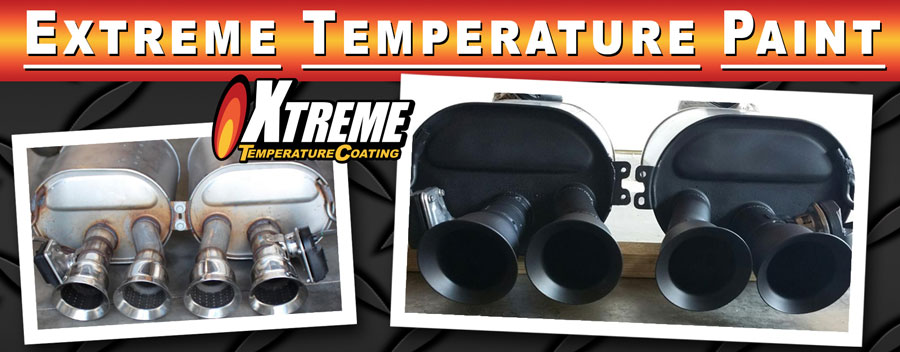
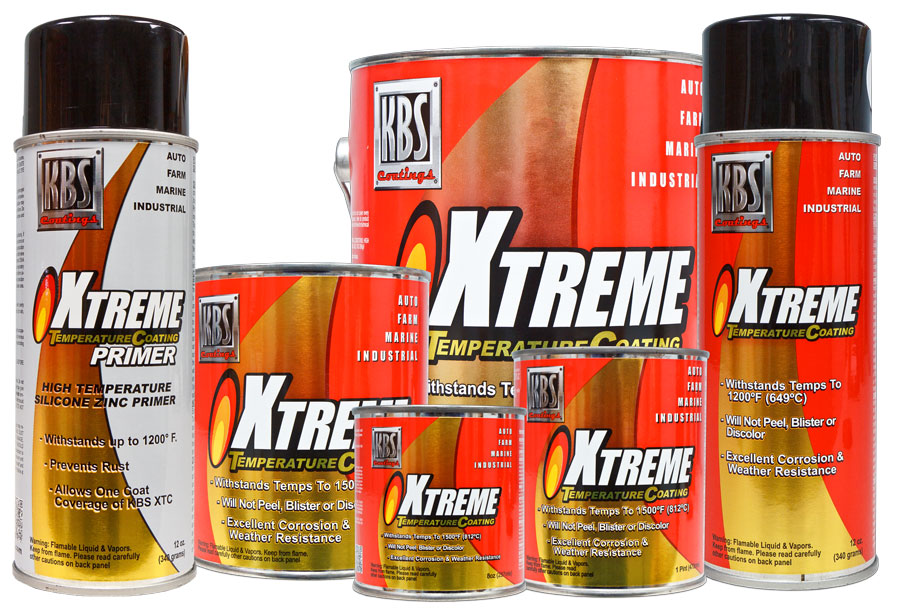
Automotive exhaust paint can be used to restyle your exhaust system as well as protect it from rust and corrosion. Taking time to apply XTC Silicone Zinc Primer and XTC (Xtreme Temperature Coating) can not only increase pride of ownership but it can preserve and extend the life of your exhaust system for years. By spending less than a hundred buck you can save many times that in the long run as it helps to avoid having to replace exhaust components.
An exhaust system isn’t very well protected and as you drive it’s sprayed with water, salt and other debris that can cause damage and rust. When your car is parked in a garage it’s constantly exposed to moisture too. Even stainless-steel exhausts aren’t 100% corrosion proof.
Spraying off your exhaust system with water regularly will remove salt and particles that can trap moisture and cause rust. But to provide true protection, your exhaust system should be sealed with a coating to shield the surfaces of the exhaust system and keep moisture and debris from damaging it. That’s where the KBS Coatings XTC rust prevention system comes in.
The XTC rust prevention system consists of XTC (Xtreme Temperature Coating) and XTC Silicone Zinc Primer that work flawlessly together to prevent corrosion of metal surfaces exposed to high heat, high humidity, condensation and salt air. The formulation of these products ensure they can withstand temperatures in excess of 1200F. The results are permanent and look great.
The coating procedure starts with applying a basecoat of XTC Silicone Zinc Primer. Before this is done you need to be sure the surface to be primed is dry and free from old paint or coatings, dirt, oil, rust, and other contaminants. Sandblasting prepares the surface best for paint adhesion. If you don’t have access to a sandblaster, use a wire wheel, wire brush, or sand using 60-80 grit paper. This will provide a surface equivalent to that provided by sandblasting.
Now it’s time to apply the XTC Silicone Zinc Primer. XTC Silicone Zinc Primer prevents corrosion of metal surfaces, can withstand temperatures in excess of 1200° F and functions much like galvanization as it locks itself to bare metal surfaces leaving a perfect primed surface for top coating.
First, wash the surface well with KBS Klean at a 10:1 (water to KBS Klean) ratio, rinse and dry immediately and thoroughly before proceeding. Mask off areas not to be coated and protect adjacent areas with drop cloth or newspapers. For best results, apply when XTC when room temperatures are between 60-80° F. For details on XTC Silicone Zinc Primer application click HERE.
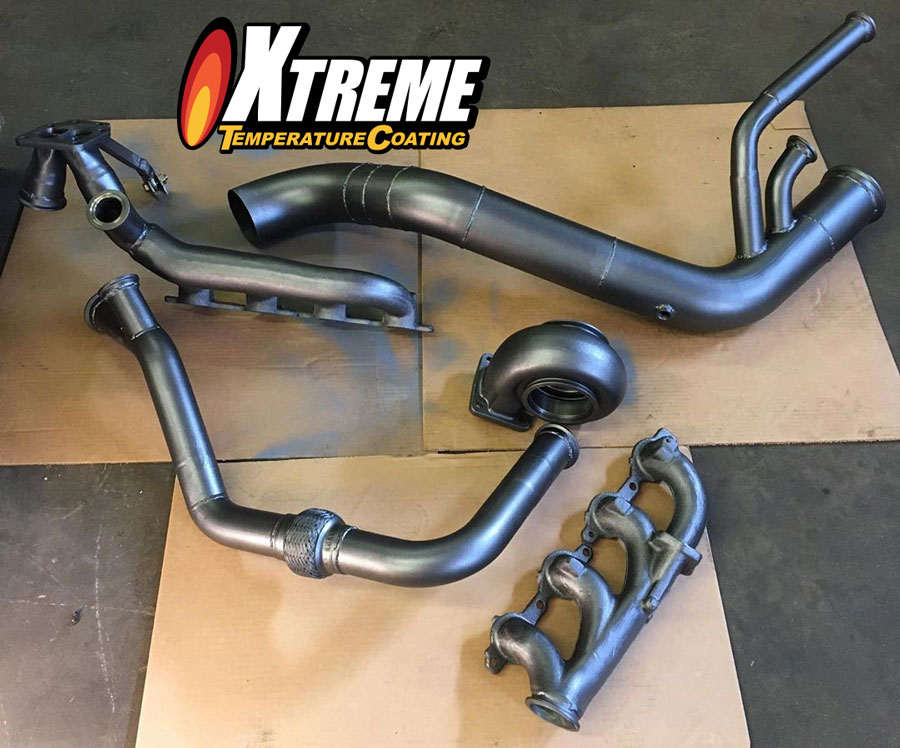
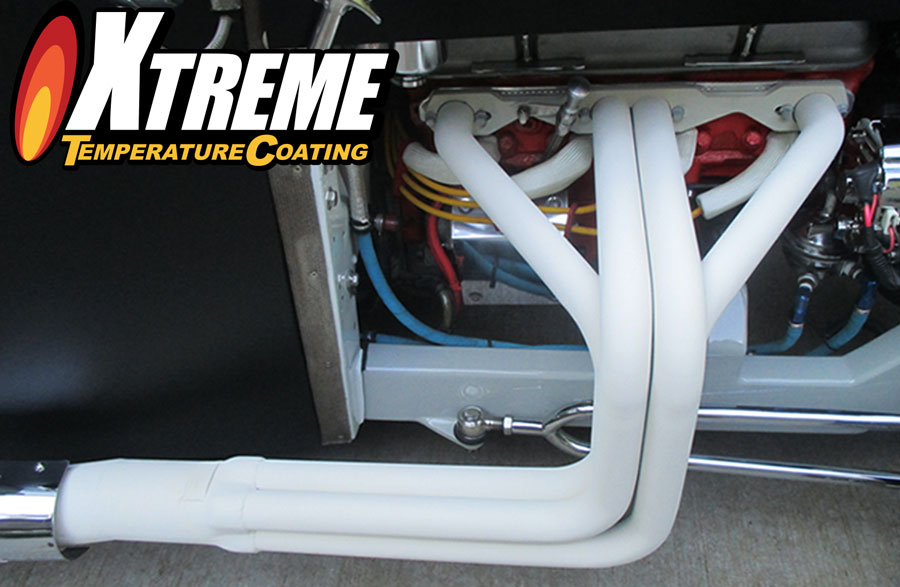
Next comes application of XTC – Xtreme Temperature Coating. XTC is a high temperature/heat resistant automotive exhaust paint designed to protect metal surfaces operating at temperatures from 500° F to 1500° F. XTC provides outstanding adhesion, film integrity, weathering, and thermal shock-resistance throughout this entire temperature range and is guaranteed not to burn off.
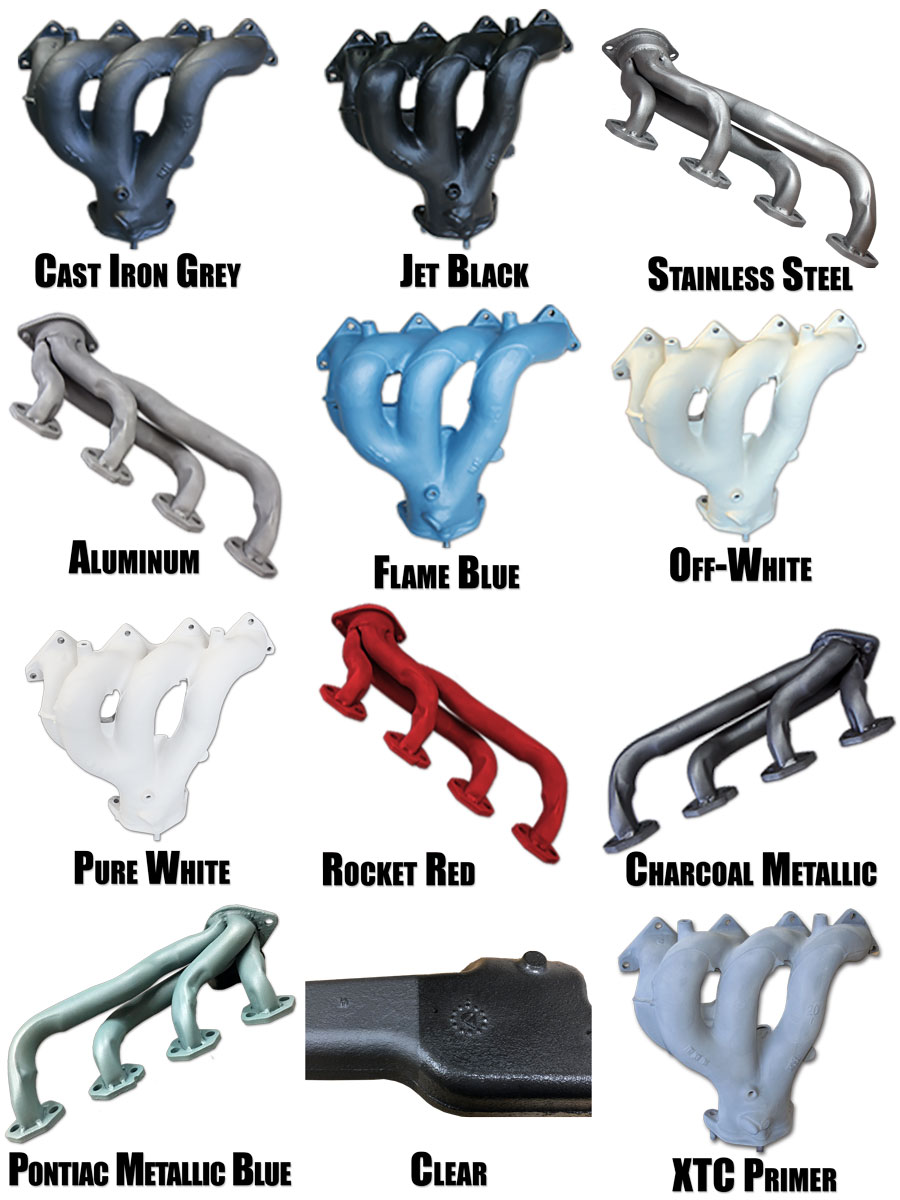
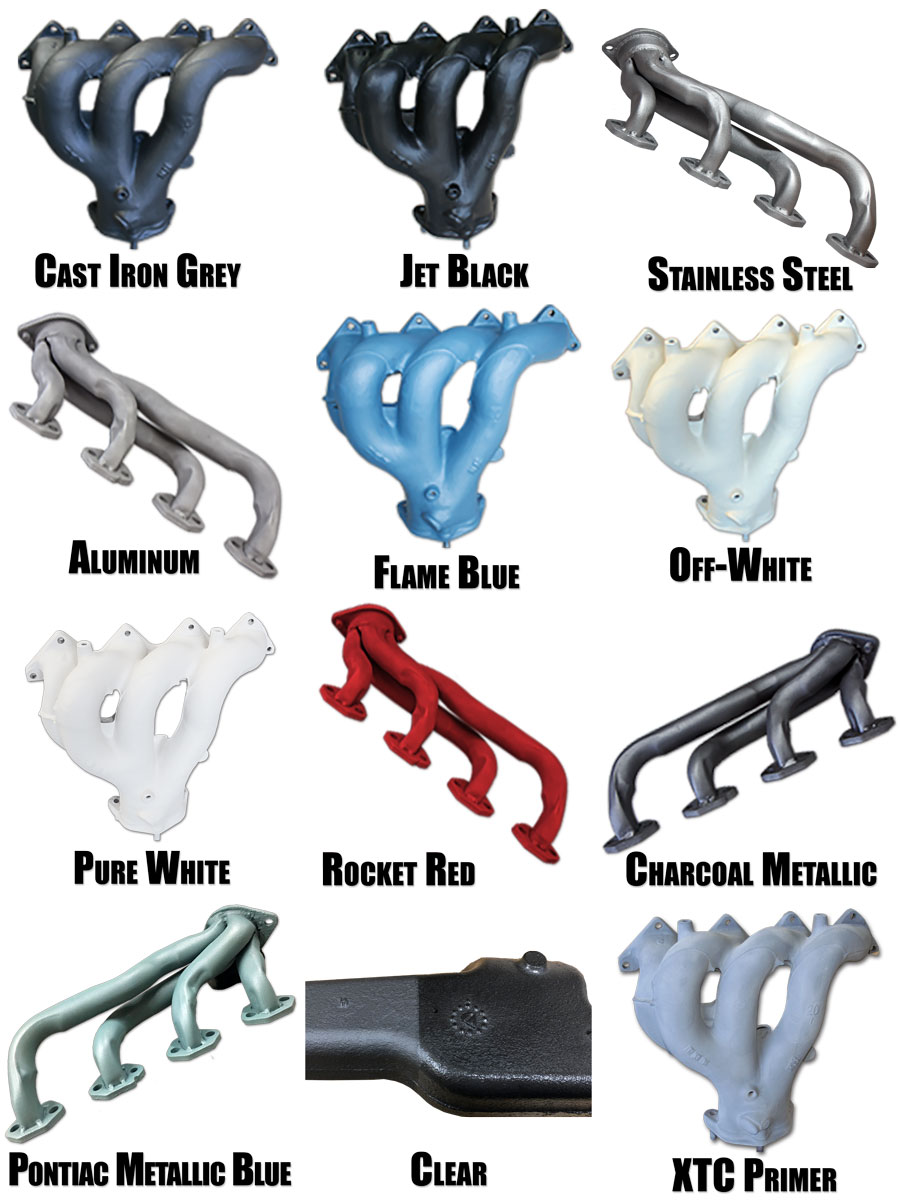
XTC will not peel, flake or chalk and is resistant to scratching or marring. XTC is available in 10 colors which allows you to do some unique styling if you wish. Like XTC Primer, XTC is available in aerosol spray can form or in containers for application by brush, roller, or spray equipment. For more information on applying XTC click HERE.
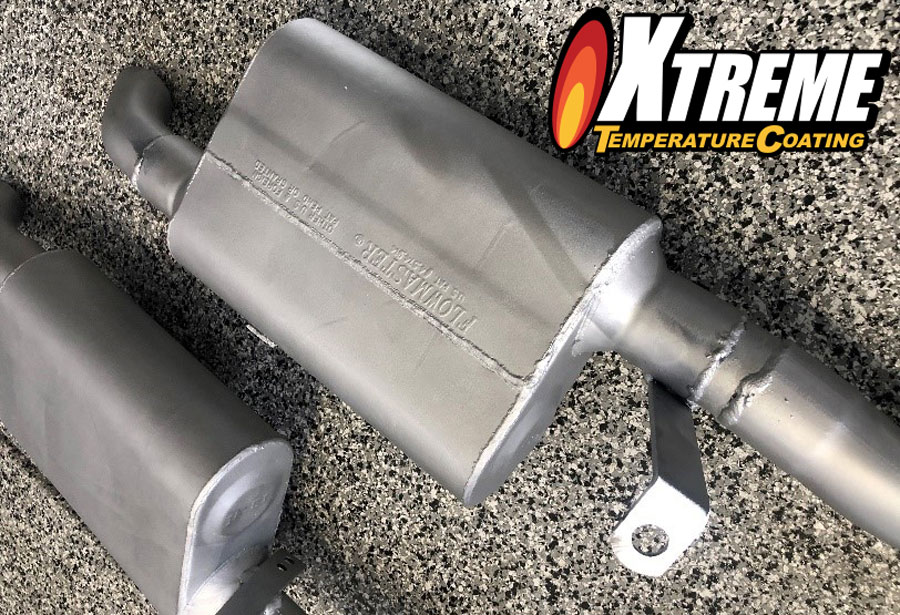
The XTC rust prevention system is the perfect solution for restyling your exhaust system and protecting it from corrosion!
For more information on XTC Silicone Zinc Primer click HERE.
For more information on XTC – Xtreme Temperature Coating click HERE.
Motorcycle Exhaust Coating Stops Corrosion, Looks Great, and is a Cost-Effective Solution
Motorcycle Exhaust Coating Stops Corrosion, Looks Great, and is a Cost-Effective Solution
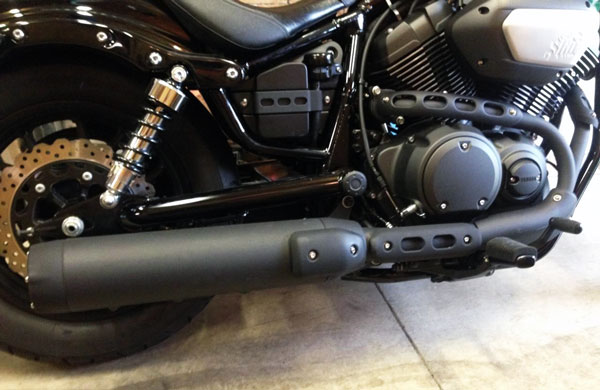
A rusted motorcycle exhaust system looks terrible. It can make your bike look aged and generally detract from its appearance. The rest of the motorcycle could look great, but the exhaust is such a large and noticeable part of the bike that unless the rust is stopped, rust will progress to the point where the metal is weakened or even perforated. You could purchase a new exhaust system but that could cost a few hundred dollars or even thousands. Lucky for you, the KBS Coatings XTC rust prevention system provides a far more cost-effective solution.
The XTC rust prevention system consists of XTC (Xtreme Temperature Coating) and XTC Silicone Zinc Primer that work together to prevent corrosion of metal surfaces exposed to high heat, high humidity, condensation and salt air. The formulation of these products ensure they can withstand temperatures in excess of 1200F. The results are permanent and look great.
The first step in restoring a motorcycle exhaust using the XTC system is to ensure the surface to be primed is dry and free from old paint or coatings, dirt, oil, rust, and other contaminants. Sandblasting is the ideal surface preparation as it leaves the ideal anchor pattern for paint adhesion. If you don’t have access to a sandblaster, use a wire wheel, wire brush, or sand using 60-80 grit paper. This will provide a surface equivalent to that provided by sandblasting and allow the desired surface profile or anchor pattern.
Now it’s time to apply the XTC Silicone Zinc Primer. First, wash surface well with KBS Klean at a 10:1 (water to KBS Klean) ratio, rinse and dry thoroughly before proceeding. Mask off areas not to be coated and protect adjacent areas with drop cloth or newspapers. For best results, apply when XTC when room temperatures are between 60-80° F.
XTC Silicone Zinc Primer prevents corrosion of metal surfaces, can withstand temperatures in excess of 1200°F and functions much like galvanization as it locks itself to bare metal surfaces leaving a perfect primed surface for top coating. XTC Silicone Zinc Primer is free of fluorocarbons, lead, and chromates and is grey in color.
XTC Silicone Zinc Primer is available in aerosol spray can form. For larger applications by brush, roller, or spray equipment, XTC Primer is also available in quart, gallon or five-gallon containers. For purposes of this article we will discuss application by aerosol spray can.
Hold the aerosol can 12-15 inches from surface and apply using steady, even strokes. Apply two light coats, allowing 15 minutes drying time between coats. Allow the primed surface to dry a minimum of 30 minutes before top coating with the KBS Xtreme Temperature Coating.
Next comes application of XTC – Xtreme Temperature Coating. XTC is a high temperature/heat resistant motorcycle exhaust coating designed to protect metal surfaces operating at temperatures from 500° F to 1200° F. XTC provides outstanding adhesion, film integrity, weathering, and thermal shock-resistance throughout this entire temperature range and is guaranteed not to burn off. XTC will not peel, flake or chalk and is resistant to scratching or marring. XTC is available in 10 colors which allows you to do some unique styling if you wish.
This motorcycle exhaust coating also has an interesting property in that it acts as an insulator that reduces the surface temperature of the exhaust system. Don’t get us wrong, it will still get hot, but not quite so. The heat is retained with the exhaust system which improves exhaust gas velocity and can increase horsepower.
Like XTC Primer, XTC is available in aerosol spray can form, or in containers for application by brush, roller, or spray equipment. Again, for purposes of this article we will discuss application by aerosol spray can. For best results, apply when spray can, and room temperatures are between 60-80° F. Hold aerosol can 12-15 inches from surface and apply using steady, even strokes. Apply a minimum of two light coats, avoiding drips and runs. Allow 15-30 minutes drying time between coats. Only apply the number of coats needed to get the desired coverage. Do not apply more coats that you need for coverage as this can have adverse consequences. As with all KBS Products, multiple very thin, covering coats is always the best practice as heavy applications can lead to reduced adhesion and coating life. Allow painted surface to dry a minimum of 8 hours before subjecting to high heat.
With the KBS Coatings XTC rust prevention system you can stop rusting, preserve your exhaust system, and make it look great. Plus, consider the cost savings. Would you rather spend $40.00 on KBS motorcycle exhaust coating, or several hundred or thousands of dollars on a new exhaust system?
For more information on XTC Silicone Zinc Primer click HERE!
For more information on XTC – Xtreme Temperature Coating click HERE!
RustSeal Rust Prevention Formulation Keeps KBS Coatings as the Leader of the Pack

At KBS Coatings, superior product performance and user friendliness are our top priorities. KBS Coatings has the best products for rust prevention and we continually look for ways to improve upon them as well as provide features not offered by other manufacturers. For example, RustSeal, which is a high-tech rust prevention coating that uses premium quality materials for state-of-the-art performance, has been continually improved upon by listening to our customers. We learned what they wanted with this type of coating: Quick and easy application, smooth rich deep colors, excellent bonding of the coating to the surface and color variety. Thanks to our on-staff paint chemists, we were able to engineer these qualities into RustSeal.
RustSeal is quick and easy to apply. This is due to the paint “flowing out” well. Flow is the degree to which the wet film of a coating material can flow out during and after application to produce a uniform smooth surface. This is especially important for those times a paint brush needs to be used, such as when painting a car frame while it is attached to the vehicle. Competitors’ coatings often require continually going back to re-brush areas of wet paint to get proper coverage and smooth out brush marks. Because RustSeal has superior flow characteristics it provides great hide and coverage on each coat without the need for frequent re-brushing. So, RustSeal saves you time. Users say the finish resembles the incredible look of a powder coat.
To achieve this, RustSeal is formulated with a blend of solvents. Fast evaporating solvents allow the paint to start to cure quickly and adhere well to the prepped surface locking out water and air and avoiding oxidation (rust and corrosion). In addition to the fast evaporating solvents, slow evaporating solvents remain longer and allow brush marks to flow out giving a beautiful uniform finish. Hi-Tech additives are included to release gases in the paint so micro bubbles don’t form and compromise the appearance of the coating.

Availability of a wide variety of colors also differentiates RustSeal from competing corrosion treatments. Other manufacturers typically provide their products only in gloss black, semi-gloss black, silver, and gray. RustSeal is available in ten colors: Gloss Black, Satin Black, Silver, Grey, Off-White, Oxide Red, Green, Cat Yellow, Safety Blue and Galvanized Steel.

Coating stability, after the can has been opened, is another important aspect of our paint formulation. Once the can is opened the paint is exposed to ambient moisture in the air which can be absorbed into the paint. For RustSeal, moisture is the catalyst the activates bonding of the paint to the prepped surface. If a significant amount of moisture collects in the stored paint, the shelf life is diminished. While storing RustSeal according to the directions is always best, RustSeal’s formulation includes additives that convert accumulated ambient moisture to a gas which then evaporates out of the coating resulting in extended shelf life for RustSeal.
By listening to our customers’ needs, utilizing on-staff paint chemists and controlling the manufacturing process by producing RustSeal in house, KBS Coatings has developed a unique and user-friendly rust prevention coating with superior performance, flexibility, toughness and incredible impact resistance. RustSeal is the most permanent cost-effective solution for stopping rust and corrosion anyplace where it is a problem: home, automotive, industry, fleet, farm and more.
To learn more about RustSeal from KBS Coatings, click HERE.

KBS Coatings Introduces an ALL NEW Environmentally Friendly Powerful Paint Stripper
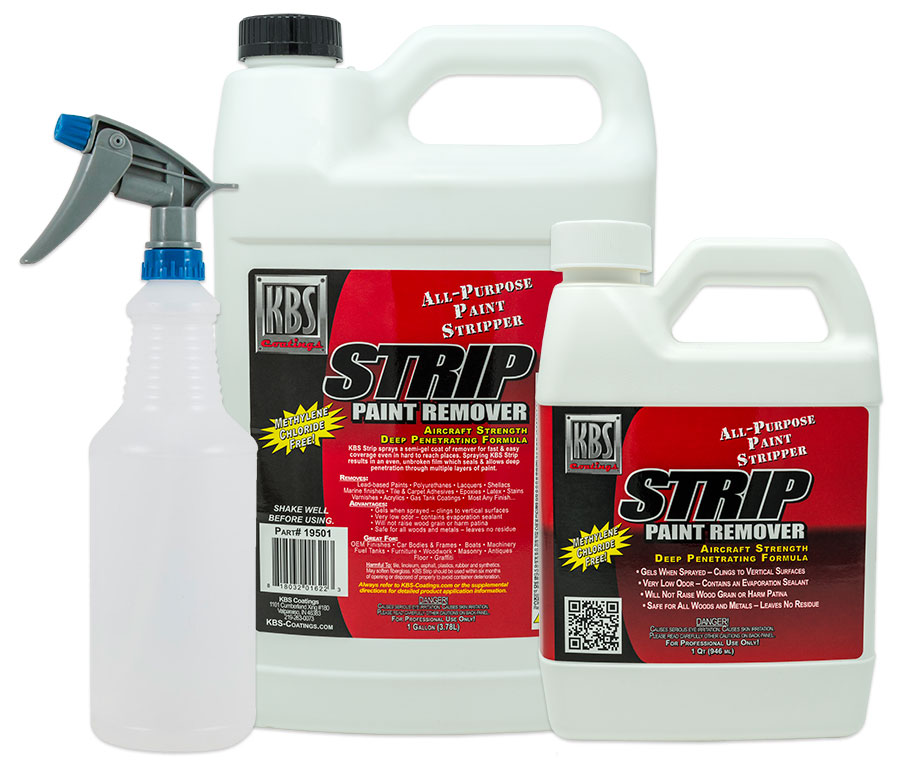
KBS Coatings, the leader in automotive restoration and rust preventative coatings introduces an ALL NEW environmentally friendly powerful paint stripper called KBS Strip.
KBS Strip is an extreme duty, high concentrate paint stripper for designed to remove the toughest of finishes. KBS Strip is advanced paint stripping technology that does not contain the harmful chemical methylene chloride. Strip sprays on as a gel to produce an unbroken film that clings to vertical surfaces. KBS Strip features an evaporation sealant which drastically lowers the amount of odor and dramatically increases its stripping power. You can even use KBS Strip on varnishes, lacquers and stains and KBS Strip will not harm or raise the wood grain. Additionally, KBS Strip can be easily washed off with water without leaving a residue.
The coverage of KBS Strip depends on the age of the coats and the number of coats to be removed. Typically, one gallon of KBS Strip is sufficient for 70-150 square feet and one quart of KBS Strip is sufficient for 20-35 square feet. KBS Strip is also absolutely ideal for stripping the inside of gas tanks. KBS Strip is very versatile removing lead-based paints, polyurethanes, lacquers, shellacs, marine finishes, tile and carpet adhesives, epoxies, latex, stains, varnishes, acrylics, gas tank coatings, gas tank liners and most any other finish.
