

If you have found rust in your floor pan, you are at a decision point: ignore it and let it spread, or fix it correctly to permanently protect your vehicle's value.
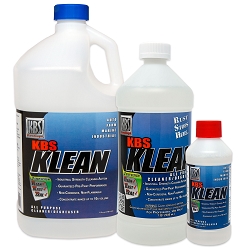
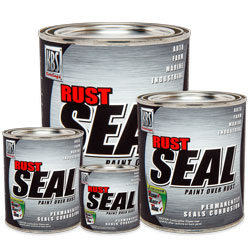
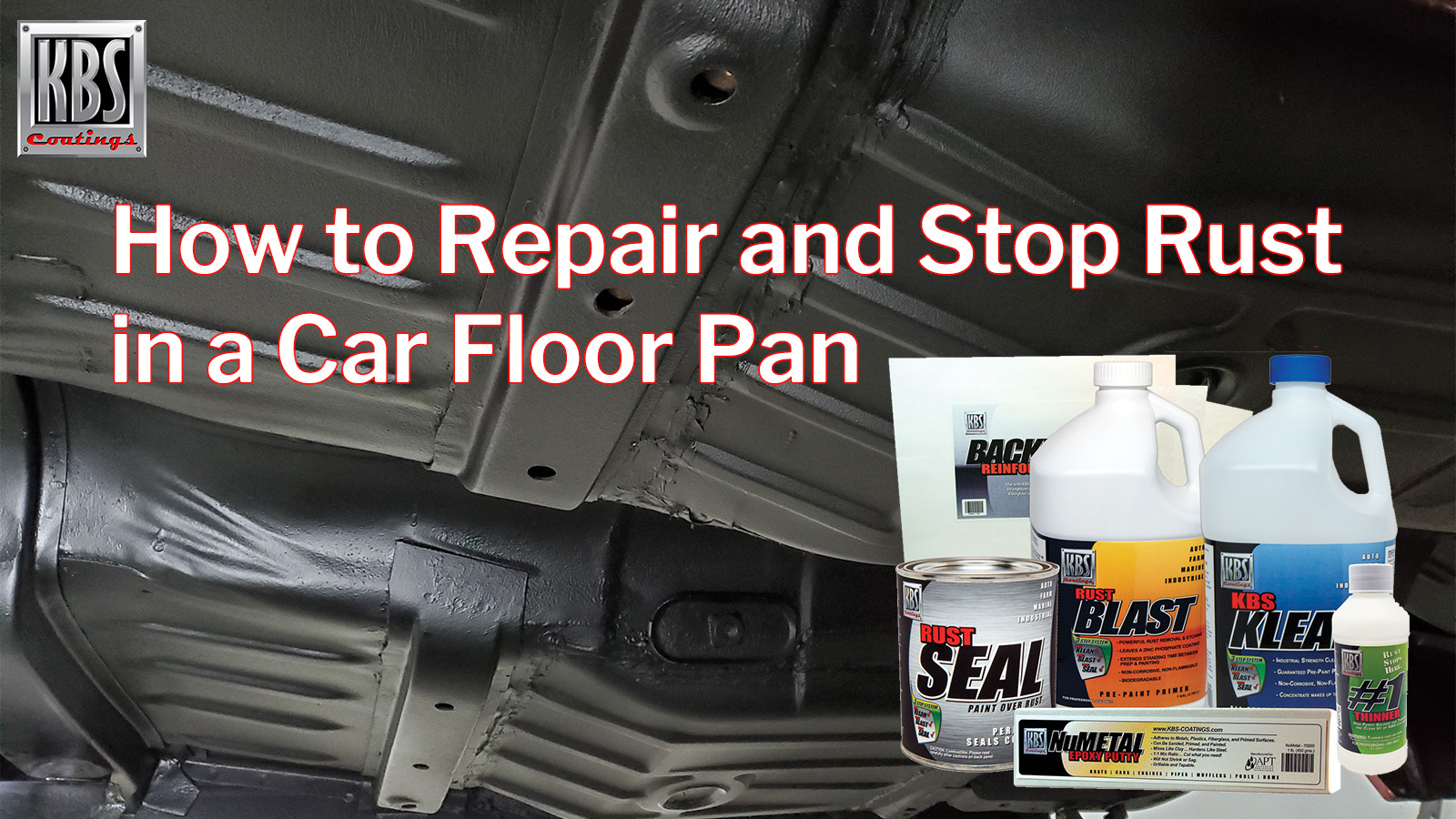
This guide explains the professional way to fix rust in a car floor pan. You will learn how to evaluate damage, decide if welding is necessary, and properly clean, treat, and coat metal using the complete KBS system: KBS Klean, KBS RustBlast, and KBS RustSeal.
Identifying Your Floor Pan Rust
Before choosing a repair method, identify which level of corrosion you are facing:
1. Surface Rust
- Light orange or brown discoloration
- No soft spots or holes; metal remains solid
2. Scaling Rust
- Flaking metal and deep pitting
- Visible corrosion layers, but structural integrity remains
3. Structural Rot
- Soft spots, holes, or cracking metal
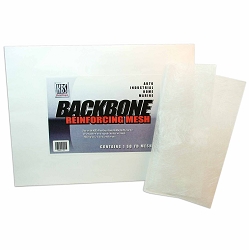
- Requires metal patches or KBS BackBone Mesh reinforcement
Do You Need to Weld the Floor Pan?
If you have holes, the repair method depends on size and location:
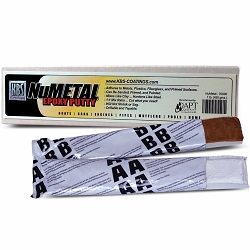
- Pinholes to 1/2": Use NuMetal Epoxy Putty.
- 1/2" to 3": Use a combination of KBS BackBone Mesh and epoxy putty.
- 3"+ or Structural Areas: (Seat mounts, supports) Welded metal patches are strongly recommended.
The Best Way to Fix Rust: Step-by-Step
Step 1: Clean and Degrease with KBS Klean
Adhesion failures are usually caused by invisible residues like old adhesives or road salt. Mix KBS Klean 5 parts hot water to 1 part KBS Klean for moderately soiled surfaces, or full strength (1:1) on heavily contaminated areas. Scrub thoroughly, rinse, and let dry.
Step 2: Remove Loose Rust and Scale
Use a wire wheel, 60-80 grit sandpaper, or sandblasting to remove flaking material. You do not need to grind to bare silver; you just need to reach solid metal.
Step 3: Treat and Etch with RustBlast
This step neutralizes remaining rust and etches the surface for a permanent bond. Spray RustBlast, keep it wet for a minimum of 30 minutes on smooth or lightly rusted metal (longer on heavier corrosion), then rinse and dry completely.
Step 4: Seal with RustSeal
Apply at least three thin, even coats of KBS RustSeal for this kind of road-salt and moisture exposure. This moisture-cured urethane creates a rock-hard barrier that blocks moisture and salt permanently.
Stuck or unsure? Search the KBS Support Desk for instant answers


Common Mistakes to Avoid
- Painting over loose rust: If the rust flakes off later, the paint goes with it.
- Skipping the Etch: Without RustBlast, the coating cannot bite into the metal.
- Ignoring the Moisture Source: Always check for leaking windshield seals or heater cores before re-carpeting.
Frequently Asked Questions
How much does it cost to repair a rusted car floor pan?
It depends on the repair method. Small pinholes treated with epoxy putty cost well under $50 in materials. Mesh-and-epoxy repairs for medium holes run somewhat more. Welded patch panels cost the most in materials and require welding equipment or a shop, but they are the only long-term fix for large holes or rust in structural areas like seat mounts.
What removes rust immediately?
Nothing removes rust and leaves a paint-ready surface in one step. Loose rust and scale come off fastest with a wire wheel, 60-80 grit sandpaper, or sandblasting. Once the loose material is gone, KBS RustBlast chemically dissolves remaining rust and etches the surface in as little as 30 minutes on smooth or lightly rusted metal.
How can I repair a rotted floor pan without welding?
For pinholes up to 1/2 inch, NuMetal Epoxy Putty seals the hole without welding. For holes between 1/2 and 3 inches, combine KBS BackBone Mesh with epoxy putty for reinforcement. Neither option is appropriate for structural areas like seat mounts or frame rails, which need a welded patch regardless of hole size.
Can I bondo over rust holes?
No. Body filler is a cosmetic product, not a structural repair, and it will not bond reliably to active rust or bridge an open hole. Treat the rust and close the hole first, either with epoxy putty and mesh for small to medium holes or a welded patch for larger and structural areas, then use body filler only for final cosmetic shaping over sound, treated metal.
Still have questions? Search the KBS Support Desk
Conclusion
Ready to fix it once and fix it right? Match the repair method to the damage: epoxy putty for pinholes, mesh and epoxy for medium holes, and a welded patch for anything large or structural. Whichever method you use, the KBS Klean, RustBlast, and RustSeal system is what keeps the rust from coming back once the hole is closed.
Tagged Products