

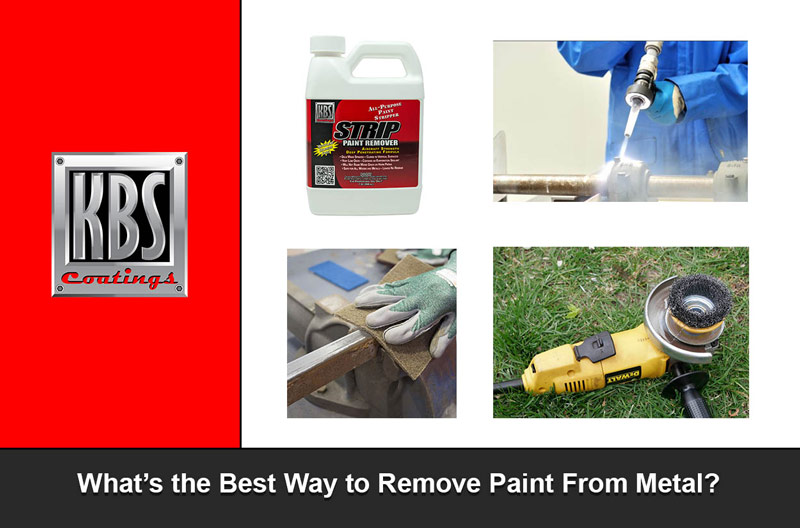
Paint stripper, media blasting, and sanding or wire wheeling are the three main ways to remove paint from metal, and each works differently. Paint stripper is a chemical gel that softens and lifts paint for scraping. Media blasting propels an abrasive at the surface to knock paint off and texture the metal underneath. Sanding and wire wheeling grind the paint away by hand or with power tools. Which one is right for a given job depends on the surface, the timeline, and how much control you need over how much material comes off.
- What Is Paint Stripper and How Does It Work?
- Benefits of Using Paint Stripper on Metal
- Drawbacks of Paint Stripper
- When to Use Paint Stripper
- What Is Media Blasting?
- Benefits of Media Blasting
- Drawbacks of Media Blasting
- When to Use Media Blasting
- Sanding and Wire Wheeling
- Benefits of Sanding and Wire Wheeling
- Drawbacks of Sanding and Wire Wheeling
- When to Use Sanding or Wire Wheeling
- Combining Paint Removal Methods
- Frequently Asked Questions
- Conclusion
What Is Paint Stripper and How Does It Work?
Paint stripper is a chemical gel formulated to break down paint, varnish, and other coatings so they can be scraped off the surface. It works by softening the bond between the coating and the metal, loosening multiple layers at once instead of grinding through them.
Benefits of Using Paint Stripper on Metal
Paint stripper saves time on detailed or intricate surfaces because it dissolves the coating instead of requiring it to be ground away by hand. It also reaches into crevices and complex shapes that sanding tools cannot access, and it cuts down on the physical labor of manual paint removal.
- Increased time efficiency - dissolving paint is faster than sanding or wire wheeling, especially on detailed surfaces
- Reduces physical exertion - far less labor than mechanical removal on large or intricate parts
- Easy access - reaches complex shapes and tight crevices that abrasive tools cannot
- Gentler on some metals - avoids the surface damage that aggressive abrasion can cause on softer alloys

KBS Strip is a methylene-chloride-free gel that clings to vertical surfaces, removes multiple paint layers, powder coatings, and epoxies, and rinses away with water. Made in the USA.
Drawbacks of Paint Stripper
Paint stripper can damage aluminum and some alloys, so check a product's stated metal compatibility before use. The chemicals involved can irritate skin and cause respiratory distress from fumes, and disposal needs to follow local regulations to avoid environmental harm.
- Metal damage - some strippers are corrosive to aluminum and certain alloys
- Toxicity - fumes and skin contact can cause irritation; work in a ventilated area with gloves and eye protection
- Pollution - improperly disposed stripper can contribute to air and water contamination
- Effectiveness - some formulas need multiple applications or a follow-up method depending on the paint type
When to Use Paint Stripper
Paint stripper works best on complex or detailed metal surfaces, antique or vintage pieces where abrasion risks damage, and projects with a short timeline where dust and debris need to be avoided entirely.
Stuck or unsure? Search the KBS Support Desk for instant answers
What Is Media Blasting?
Media blasting removes paint by propelling an abrasive, such as sand, glass beads, walnut shells, aluminum oxide, or plastic pellets, against the metal surface at high speed using compressed air or water pressure. The choice of media and speed depends on the metal's hardness, the coating being removed, and the finish desired.
Benefits of Media Blasting
Media blasting strips paint, dirt, grease, and oil from metal quickly and works across steel, aluminum, brass, and copper. It also leaves behind an anchor pattern, a microscopic texture that improves adhesion for the coating applied afterward.
- Effective paint removal - clears paint, dirt, grease, and oil from metal surfaces
- Versatility - works on steel, aluminum, brass, and copper
- Increased time efficiency - faster than paint stripper and a scraper or manual sanding on large jobs
- Anchor pattern - textures the surface for better paint and coating adhesion
Drawbacks of Media Blasting
Media blasting produces airborne dust that poses a health risk if inhaled, along with abrasive particles that can irritate skin and eyes. Without the right media and pressure, it can also over-remove metal, and the cost of abrasive media adds up on large projects.
- Dust and debris - fine airborne particles require respiratory protection and containment
- Abrasive contact - can irritate skin and eyes
- Over-removal of material - wrong media or pressure can strip too much metal, not just paint
- Media cost - abrasive media gets expensive on large-scale projects
When to Use Media Blasting
Media blasting is the right call for large surface areas, thick paint buildup, complex or detailed surfaces, and any job where etching an anchor pattern before recoating is the goal.
Sanding and Wire Wheeling
Sanding and wire wheeling are abrasive removal methods but work differently from each other. Sanding uses sandpaper or abrasive pads by hand or with power tools, and the correct grit depends on the metal: aluminum oxide sandpaper for hard metals like iron and steel, silicon carbide for soft metals like aluminum and brass. Use 320-grit or higher on metal; coarser grits remove paint faster but leave a rougher surface, so work down to a finer grit before reaching bare metal.
Wire wheeling uses a rotating wire wheel on an angle grinder or bench grinder. Carbon steel bristles suit hard ferrous metals like iron and steel, while brass wire wheels are gentler on soft, non-ferrous metals like aluminum and brass. Use fine to very fine wire for light work and medium to coarse wire for heavy paint removal.
Benefits of Sanding and Wire Wheeling
Sanding gives the most control over how much metal comes off, which matters on delicate or detailed surfaces. Neither method uses toxic chemicals, and sandpaper is inexpensive compared to other removal methods.
- Versatility - works on curved, uneven, and a variety of metal surfaces
- Increased time efficiency - wire wheeling moves fast; hand sanding is slower
- Controlled metal removal - sanding offers the tightest control, important on delicate parts
- No harmful chemicals - no toxic fumes or chemical disposal to manage
- Cost efficiency - sandpaper is inexpensive; wire wheels cost a bit more
Drawbacks of Sanding and Wire Wheeling
Both methods create dust and metal particles that can cause respiratory irritation, and forceful sanding or wire wheeling can scratch the surface if the wrong grit or bristle diameter is used. Wire wheels can shed sharp wires during use, and on ferrous metal they can leave particles behind that rust if not cleaned up.
- Dust and particles - creates airborne dust and metal debris
- Surface damage - wrong grit, wrong bristle diameter, or too much pressure can scratch the metal
- Over-removal of material - wire wheeling can remove more metal than intended
- Labor intensive - hand sanding without power tools takes time
- Safety - wire wheels can shed sharp wires; wear eye and hand protection
- Metal contamination - wire wheel particles left on ferrous metal can rust if not cleaned and treated
When to Use Sanding or Wire Wheeling
Wire wheeling handles thick paint over large areas quickly, while sanding suits fine detail work and a smoother finish. Both are budget-friendly options for small to medium projects, and either works well when the job only requires removing loose or flaking paint.
Stuck or unsure? Search the KBS Support Desk for instant answers
Combining Paint Removal Methods
Combining methods often gives the best result on a real project. A common sequence is media blasting to remove heavy rust and thick paint buildup, followed by sanding for a finer finish before priming and coating. Choose based on the metal type, the surface condition, the precision the job needs, and the equipment on hand.
Frequently Asked Questions
What is the fastest way to remove paint from metal?
Media blasting is the fastest method for large or thickly coated surfaces, since it strips paint and etches the metal in one pass. For smaller or detailed parts, chemical paint stripper is usually faster than sanding because it lifts the paint instead of grinding it off.
Will paint stripper damage aluminum?
It can. Aluminum and some other alloys are sensitive to the corrosive effects of certain paint strippers. Check the product's stated metal compatibility before applying it to aluminum, and test an inconspicuous spot first if you are unsure.
Can you combine paint stripper, media blasting, and sanding on one project?
Yes, and on many projects a combination gives the best result. A common approach is media blasting to remove heavy rust and thick paint, followed by sanding to finish and smooth the surface before priming.
What should you do to bare metal after stripping paint?
Clean and protect it before it has a chance to flash rust. Degrease with KBS Klean, etch with RustBlast, and seal with RustSeal or another KBS topcoat so the freshly stripped metal does not start corroding again before you paint.
Still have questions? Search the KBS Support Desk for instant answers
Conclusion
Chemical paint stripper, media blasting, and sanding or wire wheeling each remove paint from metal in a different way, and most real projects end up using more than one. Once the metal is bare, degrease with KBS Klean, etch with RustBlast, and seal it with RustSeal or your chosen KBS topcoat so the freshly stripped surface does not start corroding again before you get to paint it.
Tagged Products