

Using RustSeal Like Glyptal to Protect Internal Engine Components
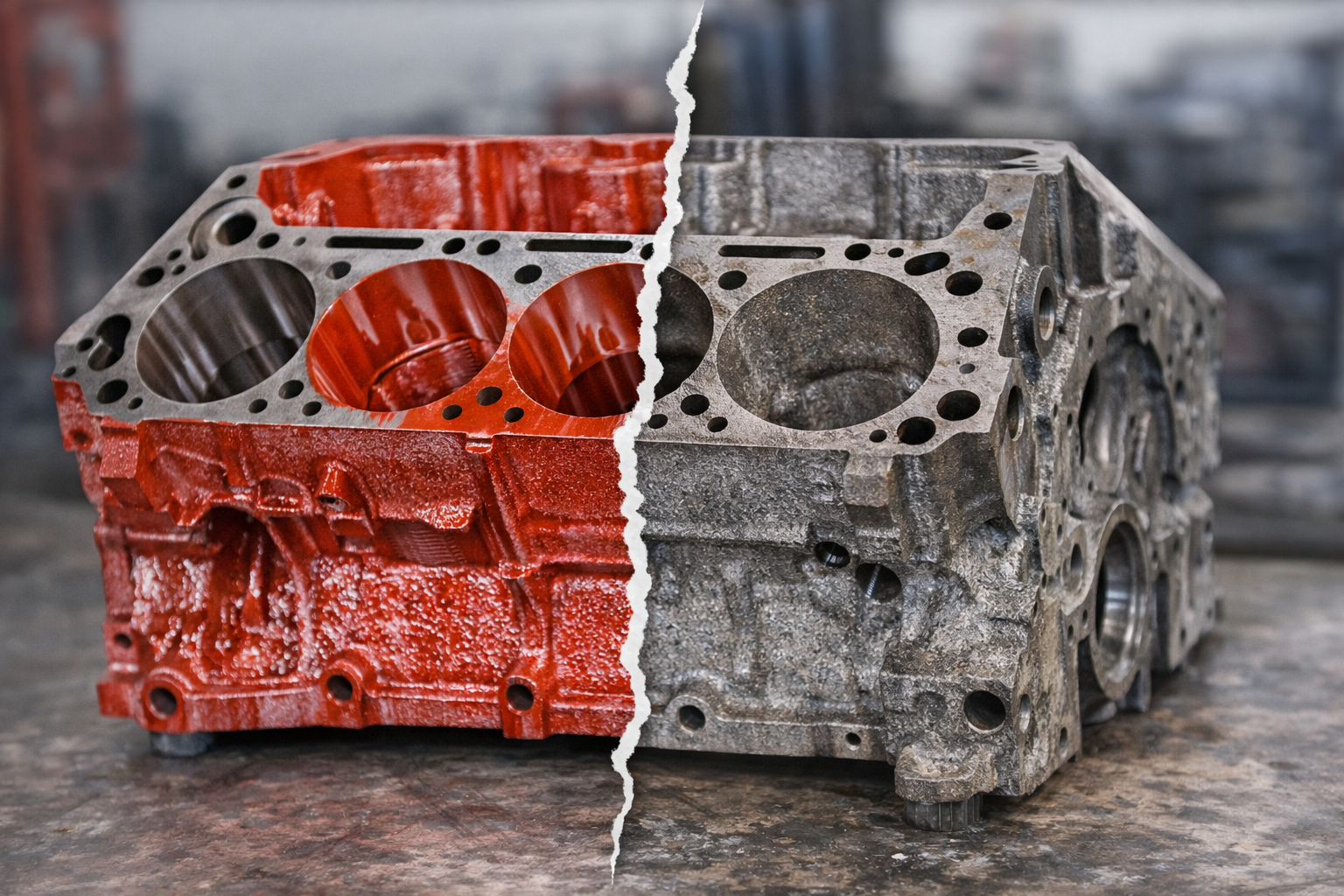
When rebuilding or restoring an engine, protecting internal cast surfaces is often overlooked. Raw cast iron and aluminum can trap contaminants, absorb oil, and promote corrosion over time — shortening engine life and increasing maintenance intervals.
For decades, engine builders used Glyptal-style coatings to seal internal surfaces. Today, many are turning to KBS RustSeal as a modern alternative with superior adhesion, chemical resistance, and long-term durability.
Why Internal Engine Surfaces Need to Be Coated
Engine blocks are cast under conditions that leave the metal porous. Those pores trap casting sand, machining debris, and moisture — all of which can circulate through the oil system after startup. Sealing these surfaces during a rebuild eliminates that contamination path and gives the engine a cleaner operating environment from mile one.
Coating internal surfaces provides the following benefits:
- Seals porous cast iron and aluminum
- Prevents internal rust formation
- Reduces sludge buildup in the oiling system
- Improves oil drain-back to the sump
- Promotes long-term engine cleanliness
What Is Glyptal and Why Builders Seek Alternatives
Glyptal is an insulating enamel originally engineered for electric motors. Its ability to adhere to cast iron made it popular with engine builders as an internal sealer. However, traditional Glyptal coatings have real-world limitations: limited resistance to modern synthetic oils and fuel additives, longer cure times, and declining availability. Those limitations have led professional builders to look for stronger modern solutions.
How RustSeal Works as a Glyptal Replacement
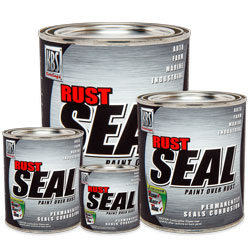
RustSeal is a moisture-cured urethane engineered to permanently bond to metal. Applied to non-friction internal engine surfaces, it functions like Glyptal — sealing porous castings, preventing corrosion, and cleaning up oil flow — while delivering significantly better performance across every measured category.
Key Advantages Over Glyptal
- Superior adhesion to cast iron and aluminum
- Permanent moisture-cured bond that won't soften or re-emulsify
- Excellent resistance to engine oil, fuel, and modern additives
- Hard, non-porous barrier that seals surfaces in one to two coats
- Long-term corrosion protection designed to last the life of the engine
Where to Apply RustSeal Inside an Engine
RustSeal is intended for non-machined internal cast surfaces only. Typical application areas include:
- Lifter valley
- Crankcase interior
- Timing cover interior
- Oil drain-back channels and passages
- Pushrod gallery surfaces
Do not apply RustSeal to cylinder walls, bearing surfaces, journals, or any machined tolerance area. Coating these areas will affect clearances and cause engine damage.
The KBS Three-Step Preparation System
Surface preparation determines how well RustSeal bonds and how long it lasts. KBS offers a matched three-step system designed to work together:
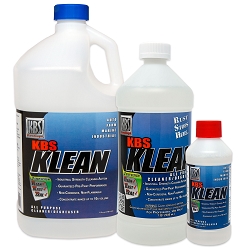
- KBS Klean — Degrease all internal surfaces thoroughly to remove oil, grease, and assembly residue. Rinse completely and allow to dry.
- RustBlast — Etch the cast surfaces to open the pores and maximize mechanical adhesion. Rinse completely and allow to dry.
- RustSeal — Apply in thin, even coats with a brush. Carefully mask all machined areas and oil passages before application.
Application Guidelines
Apply RustSeal in thin, even coats using a brush. Avoid heavy buildup or pooling — two light coats are typically sufficient. Allow each coat to tack before applying the next.
Full application directions: kbs-coatings.com/rustseal-directions
Allow a minimum of 24 hours before handling, and 3–5 days for full chemical cure prior to engine assembly. Cure time varies with temperature and humidity.
When used correctly, RustSeal provides professional-grade internal engine protection designed to last the life of the engine.
KBS Engine Internal Coating System
Step 1 → Step 2 → Step 3 for a clean, protected engine rebuild:
KBS Klean RustBlast RustSealFrequently Asked Questions
Can RustSeal be used inside an engine like Glyptal?
Yes. When applied to non-friction internal cast surfaces, RustSeal can be used in place of Glyptal to seal porous metal, prevent corrosion, and improve internal cleanliness. It outperforms Glyptal in chemical resistance and bond strength.
Is RustSeal resistant to engine oil?
Once fully cured, RustSeal is highly resistant to engine oil, fuel, and common synthetic and petroleum-based additives.
Can RustSeal be applied to cylinder walls or bearings?
No. RustSeal should never be applied to cylinder walls, bearings, journals, or any machined tolerance surface. It is for non-friction cast areas only.
How long should RustSeal cure before engine assembly?
Allow a minimum of 24 hours before handling and 3–5 days for full chemical cure prior to engine assembly.
Do I need to use KBS Klean and RustBlast before applying RustSeal?
Yes. Proper surface preparation is critical. KBS Klean removes all oil and grease, and RustBlast etches the metal to maximize RustSeal adhesion. Skipping either step can result in adhesion failure.
Tagged Products