

A clear concrete sealer is a protective coating that shields concrete from oil, chemicals, road salt, and water erosion while bringing out the color and texture of the surface. The four main types are acrylic, penetrating, epoxy, and urethane. The best one for your project depends on where the concrete sits, how much traffic it takes, and how long you want the protection to last.

What Does a Clear Concrete Sealer Do?
A clear concrete sealer does two jobs: it protects concrete from staining and damage, and it improves how the surface looks. The sealer forms a barrier against oil, chemicals, dirt, road salt, and water erosion, which helps keep the concrete from spalling, pitting, and cracking, and extends the service life of the slab.
Sealed concrete is also easier to live with. Spills, mud, and other contaminants clean up from a sealed surface far more easily than from bare concrete. A sealer also brings out the colors and textures of the concrete with a low sheen, high gloss, or wet look finish. Sealing takes some time and money up front, but it costs far less than repairing or replacing a slab later. Concrete sealers work on new and old concrete, indoors or outdoors.
Acrylic Concrete Sealer
Water based acrylic is the most widely used clear concrete sealer because it is economical, easy to apply, dries quickly, and can go onto concrete soon after it is poured. The tradeoff is durability: acrylic goes on in thin coats that wear faster, so it needs recoating more often than any other type of concrete sealer.
Acrylic sealers come in water based and solvent based formulations. Water based is often preferred because it is more durable and helps reduce issues like brush marks and bubbling. Solvent based acrylic does a better job of enhancing the concrete color.
Penetrating Concrete Sealers
Penetrating concrete sealers absorb into the slab instead of forming a film on top of it. They block liquid water while letting water vapor evaporate out, which makes them the usual choice for outdoor flatwork in freeze-thaw climates, where water trapped in concrete would otherwise freeze, expand, and crack the slab.
Because a penetrating sealer leaves no glossy film, it will not get slippery when wet, which is why it is popular on sidewalks. There are three common types:
- Silicate concrete sealer increases the hardness and density of the concrete and maintains its natural appearance, but it does not provide a high level of protection against water erosion.
- Silicone concrete sealer provides shorter term protection and needs reapplication far more often than other sealers. It does not alter the appearance of the concrete and is often used on vertical surfaces to protect against graffiti. It offers no UV protection, so it is not ideal for surfaces in significant sunlight.
- Silane concrete sealer is applied in two to three thick coats and protects for up to 3 years. This heavy duty sealer significantly changes the appearance of the concrete and is frequently used in parking garages.
Epoxy Concrete Sealer
Epoxy is a thick, hard, abrasion resistant clear concrete sealer, much harder than acrylic, with a high gloss finish that brings out surface colors. Its weakness is UV light: epoxy yellows in sunlight, so it belongs indoors on floors, countertops, and high traffic walkways rather than on exterior concrete.

Polyurethane and Urethane Concrete Sealers
Polyurethane and urethane sealers give a clear concrete sealer its longest service life, typically 4 to 8 years, at nearly twice the film thickness of an acrylic sealer. They stand up to chemicals, contaminants, and scuffing, and UV protectants keep the film from yellowing over time, so they work outdoors as well as indoors.
Like acrylics, these sealers come in water based and solvent based formulations. The film is also flexible, so it handles impacts that would damage an acrylic sealer. This type performs so well that it is the sealant of choice for high traffic surfaces such as concrete roadways.
Why DiamondFinish Clear Works as a Concrete Sealer
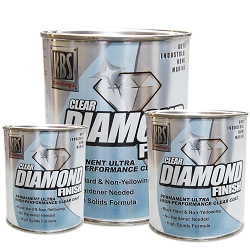
KBS DiamondFinish Clear is a 1K moisture cured urethane clear coat, so it needs no mixing, hardener, or activator; it cures using moisture in the air. It is UV stable, flexible, and exceptionally tough, and its formulation brings out the colors and textures of the concrete for both indoor and outdoor use.
Because of its Advanced Cross-Linked Coatings Technology, DiamondFinish Clear is both flexible and durable, so it resists the cracking and peeling that ends the life of stiffer films. It is self-leveling and can be applied with a roller, a conventional spray gun, or a brush without leaving brush marks. It dries quickly and has a low, compliant VOC formulation. Watch it flex without cracking in the demonstration below.

Stuck or unsure? Search the KBS Support Desk for instant answers
DiamondFinish Clear
1K UV stable urethane clear
DiamondFinish Clear Aerosol
Same clear in a spray can
KBS Klean
Water based cleaner and degreaser for prep
How Do You Choose the Right Concrete Sealer?
Match the sealer to the exposure: acrylic for a budget refresh, a penetrating sealer for outdoor flatwork in freeze-thaw climates, epoxy for indoor floors that need abrasion resistance, and urethane for the longest lasting protection indoors or out. For a garage floor or patio you want to seal once and forget for years, a UV stable urethane like DiamondFinish Clear is the strongest choice.
| Sealer Type | Best For | Watch Out For |
|---|---|---|
| Acrylic | Budget projects, fresh pours, quick recoats | Thin film, frequent recoating |
| Penetrating | Outdoor sidewalks and driveways, freeze-thaw climates | No gloss, protection varies by type |
| Epoxy | Indoor floors, counters, high traffic walkways | Yellows in UV light, indoor use only |
| Urethane | Indoor and outdoor, garage floors, 4-8 year service life | Costs more up front than acrylic |
Frequently Asked Questions About Clear Concrete Sealer
What is the most durable type of clear concrete sealer?
Polyurethane and urethane clear concrete sealers are the most durable film-forming type, with a service life of 4 to 8 years and nearly twice the film thickness of an acrylic sealer. They resist chemicals, contaminants, and scuffing, and UV protectants keep the film from yellowing indoors or out.
Why should I seal a concrete garage floor?
A sealed garage floor resists staining and damage from oil, chemicals, dirt, and road salt, and the barrier helps keep the concrete from spalling, pitting, and cracking. Spills and mud also clean up more easily from a sealed surface, and sealing extends the service life of the slab.
Does epoxy concrete sealer yellow in sunlight?
Yes. Epoxy is vulnerable to yellowing caused by UV light, so it is best used indoors on floors, countertops, and high traffic walkways. For concrete exposed to sunlight, choose a UV stable urethane sealer instead.
Is DiamondFinish Clear a 1K or 2K concrete sealer?
DiamondFinish Clear is a 1K moisture cured urethane clear coat. It requires no mixing, hardener, or activator, and it cures using moisture in the air. It is UV stable, flexible, and durable, so it resists cracking and peeling on sealed concrete.
Can you apply DiamondFinish Clear with a roller?
Yes. DiamondFinish Clear is self-leveling and can be applied with a roller, a conventional spray gun, or a brush without leaving brush marks. It has a quick dry time and a low, compliant VOC formulation.
Still have questions? Search the KBS Support Desk for instant answers
Conclusion
Choosing the right clear concrete sealer comes down to matching the product to the demands of the project. Acrylic is cheap but short lived, penetrating sealers protect outdoor flatwork without changing its look, epoxy is tough but stays indoors, and urethane delivers the longest protection anywhere. For most garage floors, patios, and walkways, a 1K UV stable urethane like DiamondFinish Clear gives you the durability of a professional finish with the ease of a no-mix product. For full application details, see the DiamondFinish Clear directions.

Tagged Products