

How to Handle Single-Component Moisture-Cured Urethane Coatings: Induction Time, Stirring Intervals, and Skinning Prevention
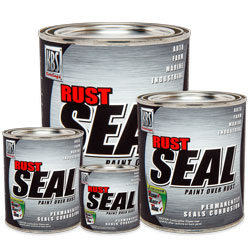
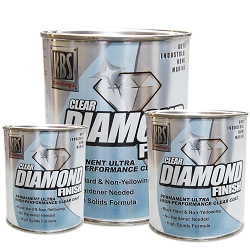
Single-component moisture-cured urethane coatings behave differently than two-component epoxies or standard air-dry paints. Products like RustSeal, BlackTop, and DiamondFinish Clear are all single-component moisture-cured urethanes (MCU). That chemistry changes how you should open, stir, and manage these coatings while you work.
Following the correct handling procedures keeps the coating at the right consistency, prevents gloss variation, and protects the batch from spoiling before the job is done.
What Is a Single-Component Moisture-Cured Urethane?
A single-component moisture-cured urethane (MCU) is a coating that cures by reacting with moisture in the surrounding atmosphere rather than with a separately added hardener. Because there is no second component to mix in, an MCU is ready to use directly from the container.
This curing mechanism is what gives KBS MCU coatings their exceptional durability, corrosion resistance, and long-term flexibility. It also means these coatings must be handled differently than two-component systems to get the best results and to protect the product from premature curing in the container.
Induction Time: How Long to Let It Set Before Use
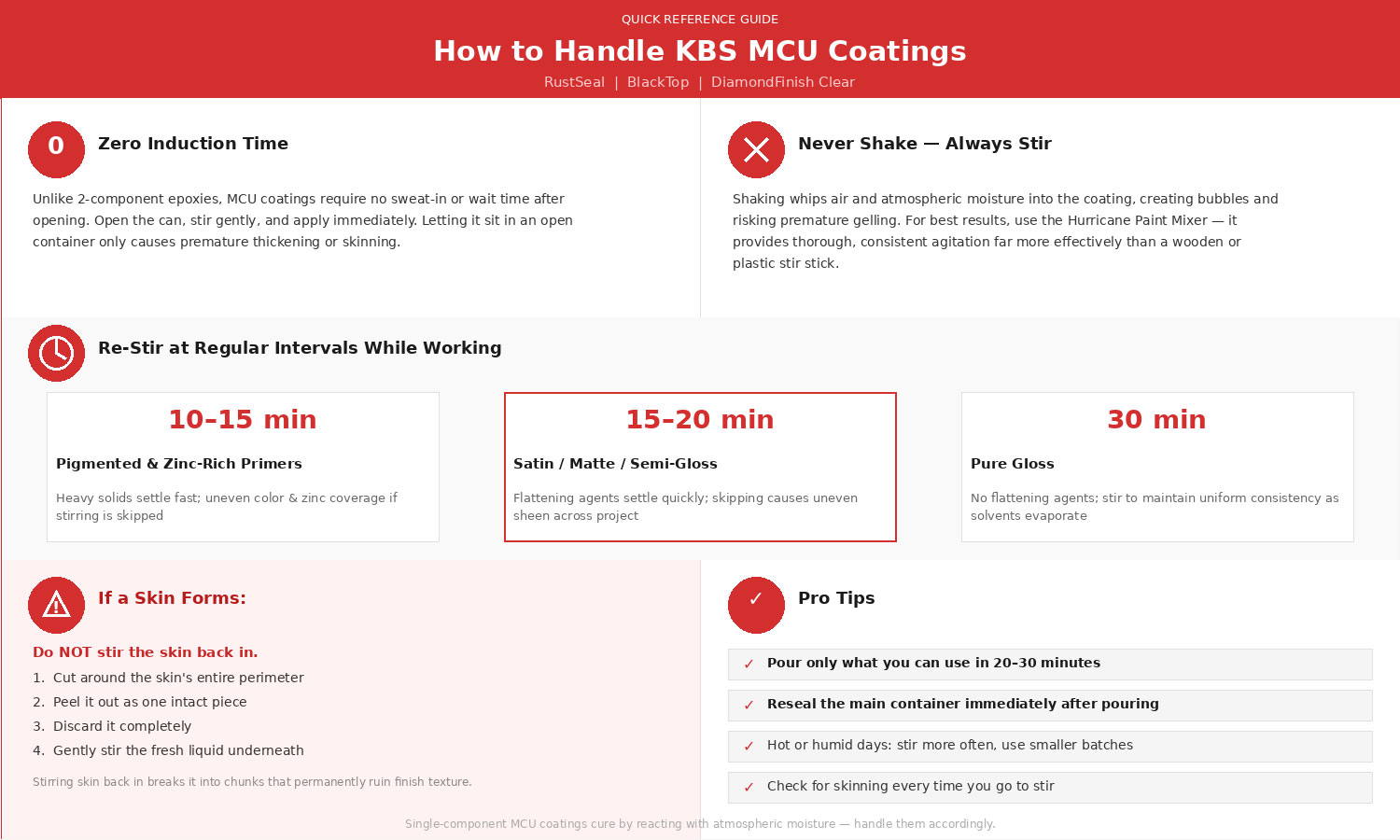
The answer is zero minutes. Use it immediately.
Unlike two-component epoxies, which require an induction period (sometimes called "sweat-in" time) after mixing the two parts together, a single-component MCU does not need any rest time after opening. There is no chemical activation event that requires a waiting period.
The moment you open the container and stir, the coating is exposed to ambient humidity and the curing reaction begins. Letting the coating sit unnecessarily in an open container will only cause it to thicken or skin over prematurely. Open it, stir it, and get to work right away.
How Often to Stir While Working
If you are actively working from a tray or open pot, you should gently re-stir the coating at regular intervals to maintain a consistent consistency and finish level. How often depends on the specific product you are using.
Satin, Matte, or Semi-Gloss Finishes: Every 15 to 20 Minutes
These finishes contain flattening agents — microscopic particles that scatter light and reduce the surface reflectivity to produce a satin or matte appearance. Because these particles are denser than the surrounding liquid, they settle toward the bottom of the container relatively quickly.
Without regular stirring, the concentration of flattening agents in your tray will decrease over time. The first sections you coat may appear properly matte or satin, while later sections end up shinier, creating an uneven finish across the project. Stirring every 15 to 20 minutes keeps the particles evenly distributed and ensures a consistent sheen across the entire job.
Pure Gloss Finishes: Every 30 Minutes
Gloss finishes contain no flattening agents or heavy pigments to settle out. There is less urgency to stir frequently, but a gentle stir every 30 minutes helps keep the coating at a uniform consistency as solvent evaporates and ambient moisture begins the curing process.
Pigmented or Zinc-Rich Primers: Every 10 to 15 Minutes
Pigmented coatings and zinc-rich primers contain heavier solid particles that settle out faster than flattening agents. Zinc, in particular, is a dense metal and will drop to the bottom of the container quickly when the coating is left undisturbed.
Failing to agitate regularly can result in color shifting — lighter at the top of the application and heavier at the bottom — or, in the case of zinc primers, uneven zinc distribution that reduces corrosion protection in some areas and overloads it in others. Stirring every 10 to 15 minutes keeps these solids in suspension and the coating performing as intended.
Skinning: The Most Important Handling Warning
If you leave a single-component MCU sitting still in an open container for too long — especially on a warm or humid day — a thin, rubbery plastic skin will form on the surface. This happens because the coating at the air interface is reacting with moisture and curing faster than the liquid beneath it.
The most critical mistake you can make when this happens is to stir the skin back into the liquid. This breaks the skin into small rubbery chunks and permanently ruins the texture of your finish. Once those particles are dispersed throughout the coating, they cannot be removed.
What to Do If a Skin Forms
If you notice a skin forming, handle it carefully:
- Do not stir the skin into the liquid.
- Use a clean tool or knife to cut around the entire perimeter of the skin.
- Peel the skin out as a single intact piece and discard it.
- Gently stir the fresh liquid underneath before resuming application.
Catching the skin early — before it thickens or breaks apart — makes removal much cleaner. Check the surface of your working container every time you go to stir.
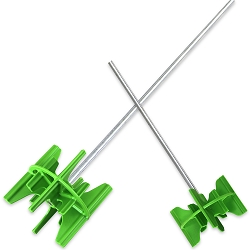
The Best Tool for Stirring KBS Coatings: The Hurricane Paint Mixer
While a flat wooden or plastic stir stick will work in a pinch, the Hurricane Paint Mixer is the best tool for stirring KBS MCU coatings. Designed to attach to any standard 3/8" variable speed drill and run between 500 and 1500 RPM, the Hurricane mixes coatings in as little as 10 seconds — lifting and blending solids from the bottom of the container quickly, evenly, and without splashing.
For heavily pigmented coatings and high-solids products like RustSeal, BlackTop, and DiamondFinish Clear, the Hurricane Paint Mixer produces a more thorough and consistent mix than hand stirring alone. A better mix means more even color, more consistent gloss levels, and better overall coating performance across the entire project.
Pro Tips for Handling MCU Coatings
Use the Hurricane Paint Mixer — Not Your Hands or a Shake
The Hurricane Paint Mixer attached to a variable speed drill at 500–1500 RPM is the right tool for the job. It mixes thoroughly, lifts settled solids from the bottom of the can, and does it all without splashing or introducing air. Never shake the can — shaking whips air and atmospheric moisture into the liquid, which creates microscopic bubbles that can produce a foamy or pocked finish and can cause the entire batch to thicken or gel prematurely in the container.
Only Pour What You Can Use in 20 to 30 Minutes
Rather than pouring the entire can into a large open tray, pour out a smaller working amount — only what you can realistically apply in the next 20 to 30 minutes. Keep the main container sealed when you are not actively dispensing from it. This slows down the exposure of the remaining product to ambient humidity and extends its shelf life during the project.
Work in Appropriate Conditions
Higher temperatures and higher humidity accelerate both the curing reaction and the risk of skinning. In hot or humid conditions, you may need to re-stir more frequently and work in smaller poured batches. Cooler, drier conditions give you a bit more working time. Always review the application directions for the specific product you are using for full temperature and humidity recommendations.
Close the Container Immediately After Pouring
It takes only a few minutes of air exposure to begin the curing reaction at the surface of an open container. After you pour out your working amount, reseal the main container right away. Do not leave the lid off while you apply the coating.
Frequently Asked Questions
Do I Need to Let RustSeal, BlackTop, or DiamondFinish Clear Sit Before Using It?
No. Single-component MCU coatings require zero induction time. Open the container, stir gently and thoroughly, and apply immediately. Letting the coating sit in an open container only risks premature thickening or skinning.
How Often Should I Stir While Working?
For satin, matte, or semi-gloss finishes, stir every 15 to 20 minutes. For pure gloss finishes, every 30 minutes is sufficient. For pigmented coatings or zinc-rich primers, stir every 10 to 15 minutes because heavier particles settle out faster.
What Do I Do If a Skin Forms in the Container?
Do not stir the skin back into the coating. Cut around the edge of the skin, peel it out as a single intact piece, discard it, and then gently stir the fresh liquid underneath before continuing. Stirring the skin back in will break it into chunks that permanently ruin the texture of the finish.
What Is the Best Tool for Stirring KBS MCU Coatings?
The Hurricane Paint Mixer attached to a 3/8" variable speed drill at 500–1500 RPM is the best tool for the job. It mixes in as little as 10 seconds, lifts solids from the bottom of the can, and produces a more consistent mix than hand stirring. Never shake the can — shaking whips air and moisture into the coating, which creates bubbles and can cause the batch to gel prematurely.
Why Is Gloss Level Uneven Across My Project?
Uneven gloss on satin or matte finishes is almost always caused by flattening agents settling to the bottom of the container between coats. The sections applied with properly stirred coating appear correct, while sections applied later from an unstirred, settled container appear shinier. Re-stir every 15 to 20 minutes to prevent this.
Handle It Right, and It Will Perform Right
The handling rules for single-component moisture-cured urethanes are straightforward: use a Hurricane Paint Mixer to stir immediately after opening, re-stir at regular intervals, never stir a skin back into the liquid, and always stir rather than shake. Following these steps consistently ensures that RustSeal, BlackTop, and DiamondFinish Clear deliver the consistency, finish quality, and protection they were designed to provide.
For full product-specific instructions including application temperature ranges, recoat windows, thinning ratios, and coverage rates, review the application directions for each product before starting your project.
Tagged Products