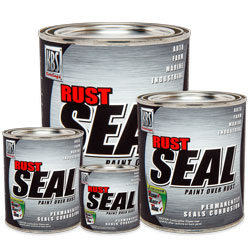


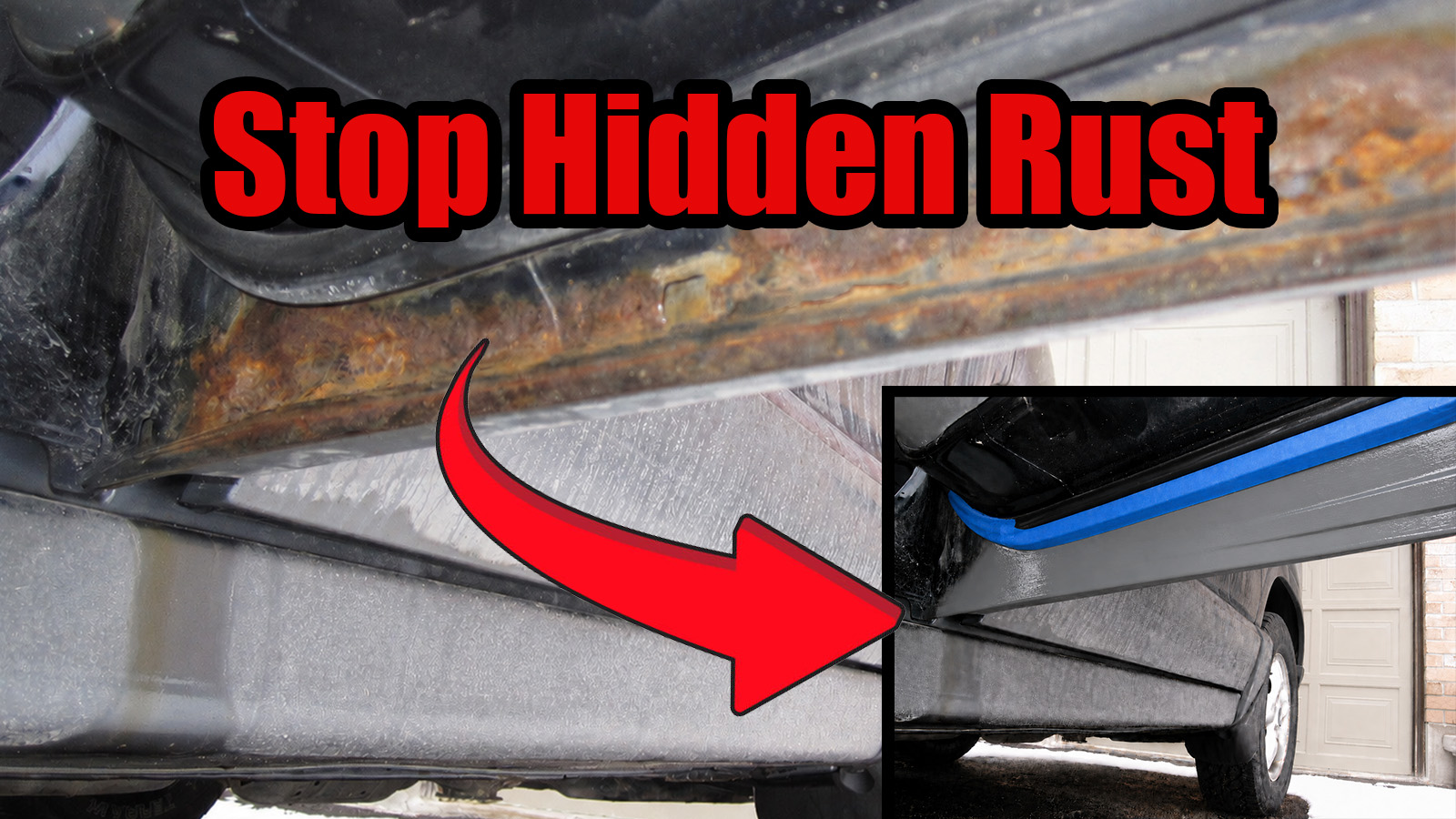
To fix rust on rocker panels, you treat the rust you can see and the rust hiding inside the seams and cavities. Patch any holes, then clean with KBS Klean, prep with RustBlast, seal with RustSeal, and coat the inside with Cavity Coater.
Updated September 2026 by the KBS Coatings technical team.
What You Need
Get the complete kit, or buy each product on its own. Orders placed by 3 PM Central ship the same day.
- Why Is Rocker Panel Rust Worse Than It Looks?
- How to Inspect Rocker Panels, Cab Corners, and Body Seams for Rust
- Can Rust Be Repaired Without Panel Replacement?
- Repairing Holes and Damaged Metal Before Rust Treatment
- What You Need to Fix Hidden Rust
- Steps to Repair Rust Behind Rocker Panels, Cab Corners, and in Body Seams
- Does RustSeal Need a Top Coat on Rocker Panels?
- How to Keep Rust from Coming Back After the Repair
- Frequently Asked Questions
- Conclusion
| Products | KBS Klean, RustBlast, RustSeal, Cavity Coater |
|---|---|
| RustBlast dwell | 30 minutes minimum, 40 to 60 minutes on moderate rust, 1 to 2 hours on heavy rust. Keep it wet the whole time. |
| RustSeal coats | Minimum 2 thin coats, about 2 mils each |
| RustSeal recoat | 2 to 6 hours, once dry to the touch |
| Application conditions | 55 to 82 degrees F, 30 to 80% relative humidity |
| Topcoat | BlackTop first; KBS MAXX and KBS Top Coater also work. Any of the three goes over RustSeal 3 to 8 hours old, or after 24 hours with a 320 grit scuff |
| Cavity Coater access | 1/4 inch hole, one coat about 1 mil thick |
Why Is Rocker Panel Rust Worse Than It Looks?
Rocker panel rust starts inside the panel and works its way out. By the time you see paint bubbles or rust stains on the outside, corrosion has usually spread through the enclosed cavity and between overlapping panels. What you can see is often a small part of the damage, which is why the repair has to reach the inside of the panel too.

How to Inspect Rocker Panels, Cab Corners, and Body Seams for Rust
Check rocker panels, cab corners and body seams for paint bubbles, rust stains, cracked seam sealer, loose rust, and corrosion around drain holes and overlapping panels. Look at the outside and the inside. Rust inside the enclosed cavity decides how big the repair is.
Inspect the Exterior Surface
Start with the lower body panels, where road debris, water and salt collect. Look for:
- Paint bubbles or blistering
- Rust stains or streaks
- Discoloration around seams, panel edges and drain holes
- Cracked, loose or missing seam sealer
- Plugged drain holes
- Paint lifting off the metal
- Soft spots that flex when you press lightly
Inspect the Underside and Accessible Cavities
Next, get under the vehicle and look into any cavity you can reach behind the damage. A flashlight, inspection mirror or borescope helps. Look for loose rust, flaking metal, and packed dirt that holds water against the steel.

Can Rust Be Repaired Without Panel Replacement?
Yes, in many cases. Rust behind rocker panels, cab corners and body seams can be repaired without replacing the panel if you catch it before it eats through a lot of metal. You remove the loose rust, treat the seams and cavities, and seal the steel with a rust preventive coating such as KBS RustSeal. The earlier you start, the more original metal you keep.
A repair without new panels or welding usually works when:
- The metal is still structurally sound
- The rust is surface rust or light scale
- There is no widespread perforation or metal loss
- You can reach the rust inside the seams and cavities
Repairing Holes and Damaged Metal Before Rust Treatment
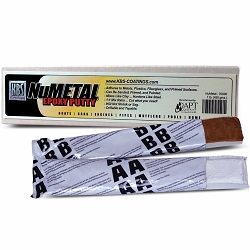
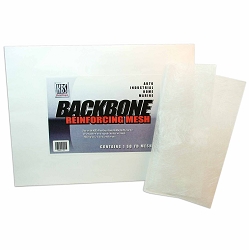
Fix holes before you treat and coat the metal. The size of the hole and whether the metal carries load decide the repair. For non-structural holes up to 3 inches, NuMetal Epoxy Putty and KBS BackBone Reinforcing Mesh rebuild the area so the coatings have solid metal to work on.
- Pinholes: fiberglass mesh or epoxy putty
- Larger than a pinhole up to 1/2 inch: epoxy putty
- 1/2 inch to 1 inch: fiberglass mesh and epoxy putty together
- 1 to 3 inches: several layers of fiberglass mesh and epoxy putty
- Larger than 3 inches: a replacement panel or welded metal patch
If the damaged area is structural or load bearing, weld in new metal or replace the panel instead of using mesh or putty.
What You Need to Fix Hidden Rust
- NuMetal Epoxy Putty (optional): skip it when there are no holes to fill
- KBS BackBone Reinforcing Mesh (optional): skip it when no hole is larger than 1/2 inch
- KBS Klean: removes oil, grease and road grime
- KBS RustBlast: removes rust and leaves a zinc phosphate layer
- KBS RustSeal: seals the metal and stops rust
- KBS #1 Thinner (optional): skip it unless you spray and the RustSeal needs thinning
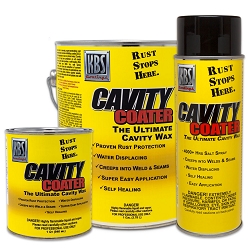
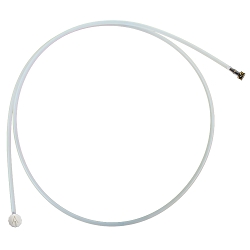
- KBS Cavity Coater and the KBS Cavity Wand: coat the inside of the rocker panel
- BlackTop, or KBS MAXX or KBS Top Coater (optional): skip it when the area stays out of direct sun
- KBS Paint Mixing Cup and KBS Paint Spout for pouring and measuring thinner
- Poly bristle paint brushes or a KBS HVLP Spray Gun
- Wire wheel, 320 grit sandpaper or a sandblaster, Scotch-Brite pads, a sponge and a scrub brush
- Chemical-resistant gloves, safety glasses and proper personal protective equipment
Steps to Repair Rust Behind Rocker Panels, Cab Corners, and in Body Seams
A lasting repair treats the rust inside seams, overlaps and enclosed cavities as well as the rust on the surface. The steps below remove contamination, treat the rust with RustBlast, seal it with RustSeal, and finish the inside of the panel with Cavity Coater.
Step 1: Remove Loose Rust, Paint and Coating
Remove all loose rust, paint and failing coatings first. RustSeal bonds best to a clean, stable surface, so work into the seams, cavities and other tight spots where hidden rust sits. Use a wire wheel, 320 grit sandpaper or sandblasting. Where old coating is still firmly bonded, scuff it with 320 grit so RustSeal has something to grip.
Light surface rust can stay when you treat it with RustBlast and coat it with RustSeal. RustSeal also goes directly on freshly sandblasted metal that has only been handled with gloves; blow off the dust and paint.

Step 2: Clean the Surface with KBS Klean
After the loose rust is gone and bonded coatings are scuffed, clean everything with KBS Klean. It removes dirt, grease and grime without leaving a residue that hurts adhesion.
- Mix 1 part KBS Klean with 5 parts hot water.
- Scrub with a sponge or bristle brush, working into the seams and cavities.
- Rinse and let the surface dry completely.
Full instructions: KBS Klean directions.

Step 3: Treat Rust in Seams and Cavities with RustBlast
Treat the metal with KBS RustBlast before RustSeal goes on. RustBlast removes light rust and etches bare metal, leaving a zinc phosphate layer that helps RustSeal bond.
- Spray it on and keep the surface wet the whole time: at least 30 minutes on light rust, 40 to 60 minutes on moderate rust, and 1 to 2 hours on heavy rust.
- Scrub now and then with a Scotch-Brite pad.
- Rinse with water before RustBlast dries. The rinse neutralizes the acid and prevents a heavy zinc phosphate buildup.
- Let the surface dry completely. The thin whitish zinc phosphate layer that stays behind helps prevent flash rust, so leave it.
Full instructions: RustBlast directions.

Step 4: Seal the Metal with RustSeal
KBS RustSeal is a 1K moisture-cured urethane that seals metal off from water, chemicals and road salt. It cures hard but flexible, so it resists chipping and cracking, and it self-levels to hide brush marks. RustSeal goes directly over treated light rust, rust pitting and rust inside weld seams, which saves prep time in places you cannot fully clean. It comes in 11 colors.
- Brush, roll or spray.
- Apply between 55 and 82 degrees F, at 30 to 80% relative humidity, and out of the rain.
- Stir from the bottom of the can before use.
- RustSeal usually needs no thinning. If it does, 5 to 10% is normally enough. Use only KBS #1 Thinner or xylene, never lacquer thinner.
- Apply a minimum of two thin coats, about 2 mils each. Thin coats beat thick ones.
- Recoat once the previous coat is dry to the touch, usually 2 to 6 hours. If more than 8 hours pass, wait a full 24 hours and scuff with 320 grit or a green Scotch-Brite pad before the next coat.
- You can handle the part after 1 day. Wait 7 days for a full cure before reassembly or hard use.
Full instructions: RustSeal directions. Common questions: RustSeal FAQs.

Step 5: Coat Inside the Rocker Panel with Cavity Coater
KBS Cavity Coater protects the inside of rocker panels and other enclosed cavities that a brush or spray gun cannot reach. It goes over bare, painted or lightly rusted metal after loose scale is knocked off, wicks into seams, and stops existing rust from getting worse. Do this step last, after the outside coatings have cured.
- Knock off any loose, scaly rust you can reach.
- If grease or oil is present, clean it with KBS Klean as in Step 2.
- If the cavity has no drain hole, drill a 1/4 inch hole at the lowest point you can reach. It drains water and serves as the wand's access hole.
- Attach the KBS Cavity Wand to the Cavity Coater can.
- Insert the wand, then spray while withdrawing at about one foot per second. Spray on the way out only.
- Aim for a thin, even coat about 1 mil thick.
Full instructions: Cavity Coater directions. Common questions: Cavity Coater FAQs.

Does RustSeal Need a Top Coat on Rocker Panels?
Yes, if the rocker panel or cab corner sits in direct sun. RustSeal is not UV stable: sunlight fades and chalks its color and sheen, though its rust protection does not degrade. A clear coat such as DiamondFinish Clear or KBS MAXX Clear does not fix this, because UV passes through it. Use an opaque, UV-stable topcoat. BlackTop is the first choice. KBS MAXX and KBS Top Coater are also options.
How to Prepare RustSeal for a Top Coat
Pick one of three methods:
- Apply BlackTop, KBS MAXX or KBS Top Coater over RustSeal that is 3 to 8 hours old, with no other prep.
- Let RustSeal cure at least 24 hours, scuff it with 320 grit, then topcoat.
- Let RustSeal cure at least 24 hours, dust on Fusion SEP Self-Etching Primer, wait 1 hour, then topcoat.
Topcoat instructions: BlackTop directions, KBS MAXX directions and KBS Top Coater directions.
Stuck or unsure? Search the KBS Support Desk for instant answers


How to Keep Rust from Coming Back After the Repair
Rust comes back when water, road salt and dirt collect in the same spots that rusted the first time. After the repair, keep the drain holes open and inspect the panels a few times a year.
- Keep rocker panel drain holes clear so water can get out.
- Clean out mud, leaves and debris that hold moisture.
- Wash off road salt through the winter.
- Check rocker panels, cab corners and seams for chips and coating damage, and touch them up before rust starts.
- Repair damaged seam sealer.
- Reapply Cavity Coater inside the cavities when needed.
Frequently Asked Questions About Rust Behind Rocker Panels, Cab Corners, and in Body Seams
How much does it cost to fix rust on rocker panels?
The cost depends on how far the rust has gone. Surface rust and pinholes you treat yourself cost only the coatings and patch materials, such as the KBS 3-Step Rust Prevention System and Cavity Coater. Rot that needs cutting, welding or a new rocker panel costs far more because it adds body shop labor and parts.
Can I fix rust holes in rocker panels with spray foam?
No. Expanding foam does not stop rust and can hold moisture against the steel inside the rocker panel. Fill small non-structural holes with NuMetal Epoxy Putty, reinforce larger ones with KBS BackBone Reinforcing Mesh, and weld in new metal when the hole is over 3 inches or the area is structural.
How to cover up rocker panel rust?
Treat the rust before you cover it. Paint over untreated rust bubbles up again. Clean with KBS Klean, prep with RustBlast, seal with two coats of RustSeal, then add an opaque topcoat such as BlackTop, KBS MAXX or KBS Top Coater if the rocker panel sits in direct sun.
Why do rocker panels always rust?
Rocker panels rust because they are enclosed boxes at the lowest point of the body. Water, road salt and dirt collect inside, drain holes plug up, and the inside face of the steel never gets the paint the outside gets. The rust starts inside and shows on the outside last.
Can rust behind rocker panels be repaired without welding?
Yes, when the rust is surface rust, light scale or small non-structural holes. Remove the loose rust, patch holes up to 3 inches with NuMetal Epoxy Putty and BackBone mesh, treat with RustBlast, seal with RustSeal and coat the inside with Cavity Coater. Structural rot or holes over 3 inches need welded metal or a new panel.
Can rust inside rocker panels be repaired?
Yes. KBS Cavity Coater goes into the rocker panel through a 1/4 inch hole on the KBS Cavity Wand and coats the inside face over lightly rusted metal after loose scale is knocked off. It stops that rust from getting worse. If the panel has no drain hole, drill one at the lowest point and use it as the access hole.
Still have questions? Search the KBS Support Desk for instant answers
Conclusion
Rocker panel rust you can see is usually the last stage of rust that started inside. Patch the holes, clean with KBS Klean, treat with RustBlast, seal with two coats of RustSeal, coat the inside with Cavity Coater, and topcoat anything in the sun. Then keep the drain holes open.

Not sure which kit fits your vehicle? Use the KBS Rust Prevention Kit Finder.
Related guides: Cavity Wax Rust Protection in Hard-to-Reach Areas, How to Fix Rust in a Car Floor Pan Without Welding, How to Fix Rust on a Truck Frame, or browse all KBS application guides.
Tagged Products